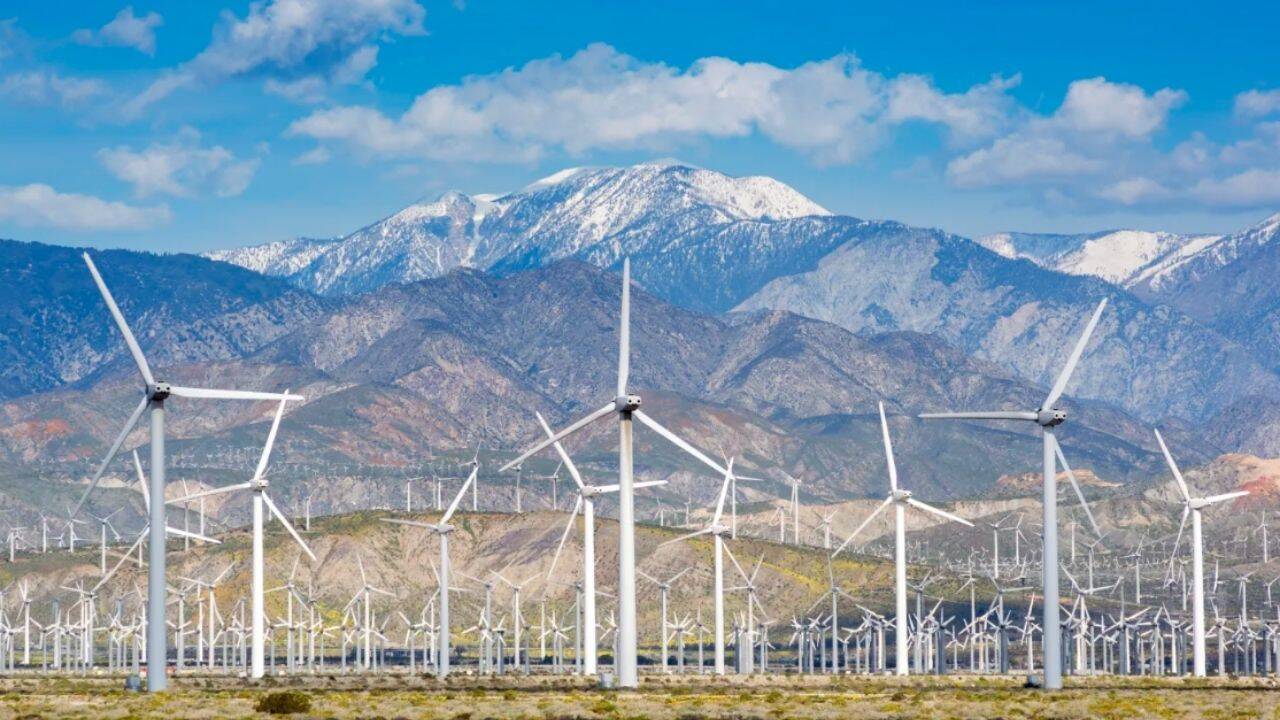
We built the modern wind energy boom by designing machines meant to survive punishing environments. A single turbine blade can span longer than an airliner, engineered to hold its aerodynamic shape through twenty years of heavy ice, sub-zero winters, and relentless high winds.
That phenomenal durability is precisely what makes them an absolute nightmare at the end of their lifecycle.
While steel towers easily go to metal recyclers and copper wiring commands immediate market value, the blades remain. They are stubborn composites of glass fiber locked tightly inside cured thermoset resins. You cannot melt them down like steel, and plastic processors can't reshape them because thermoset materials don't soften under heat the way thermoplastics do. For years, the default exit strategy for this tenth of the turbine was a one-way trip to a landfill trench, with some regional sites turning them away entirely.
Now, an industrial facility in Fairfax, Iowa, is handling this waste stream head-on.
Inside the Mechanical Shredder Approach
Operated by Regen Fiber, the Fairfax facility avoids the high-energy furnaces and complex chemical solvent baths that historically made recycling composites economically unviable. Instead, they run an all-mechanical process.
Blades arrive whole or chopped into smaller segments, trucked in from wind farms across the region. Heavy-duty industrial shredders reduce the massive composite structures down systematically. The facility sorts the resulting output into various grades, ranging from coarse chopped fibers down to fine powders.
Operating on a standard single-shift schedule, this specific plant is built to process more than 30,000 tons of blade material annually. The company also operates a sister plant in Des Moines handling clean factory manufacturing scrap, alongside a processing yard in Lubbock, Texas, positioned right next to the heavy wind activity of the American southwest.
Where Does All That Shredded Material Go?
The end products aren't sitting around in storage yards. They find immediate utility as performance-enhancing additives in three massive construction sectors: concrete, mortar, and asphalt.
According to Jeff Woods, director of business development at parent company Travero, incorporating these custom fibers into construction mixes does more than just dispose of trash. The recycled additives help boost the structural integrity, durability, and environmental resistance of heavy mixes.
When mixed into asphalt or concrete formulations, the embedded glass fibers act as internal reinforcement. They help control micro-cracking and improve load distribution across high-traffic infrastructure. The very material that once spent twenty years resisting aerodynamic shear stress over a Midwestern cornfield ends up doing a second tour of duty inside the highway pavement running right past it.
The Pressure Mounts From Global Regulations
The timing for large-scale mechanical recycling isn't accidental. Across Europe, stricter waste regulations and self-imposed industry landfill bans on decommissioned blades have forced operators to look for alternatives. Landfilling massive composite structures is rapidly becoming legally restricted or economically prohibitive.
At the same time, the raw volume of retiring equipment is accelerating. Industry estimates show that retired blade volumes are climbing sharply, heading toward triple-digit growth by the close of this decade. Relying on burial trenches is a dead end—literally and figuratively.
What the Construction Industry Still Needs to Prove
Skeptics in civil engineering point out that road agencies don't buy materials based on corporate press releases. They buy based on rigorous, long-term test data.
While the concept of turning waste fiberglass into structural additives makes absolute sense on paper, civil contractors need concrete proof regarding long-term freeze-thaw cycles, moisture infiltration, and fatigue resistance over decades of heavy truck traffic. Independent verification of energy inputs and large-scale performance consistency will ultimately dictate how fast state departments of transportation adopt these products into standard building codes.
The transition won't happen overnight. But moving a notoriously difficult industrial waste product out of a burial trench and into an active supply chain is a massive structural shift.
If you are involved in regional construction, municipal planning, or infrastructure maintenance, look out for composite-reinforced mixes entering your local supply bids. Check technical datasheets for fiber-additive specifications, and request pilot test data from your local ready-mix suppliers to see how these recycled additives perform under your regional climate conditions.