Power struggles inside cabinets usually happen behind closed doors. In Indonesia, things got loud enough to cost a finance minister his job right in the middle of a budget hearing.
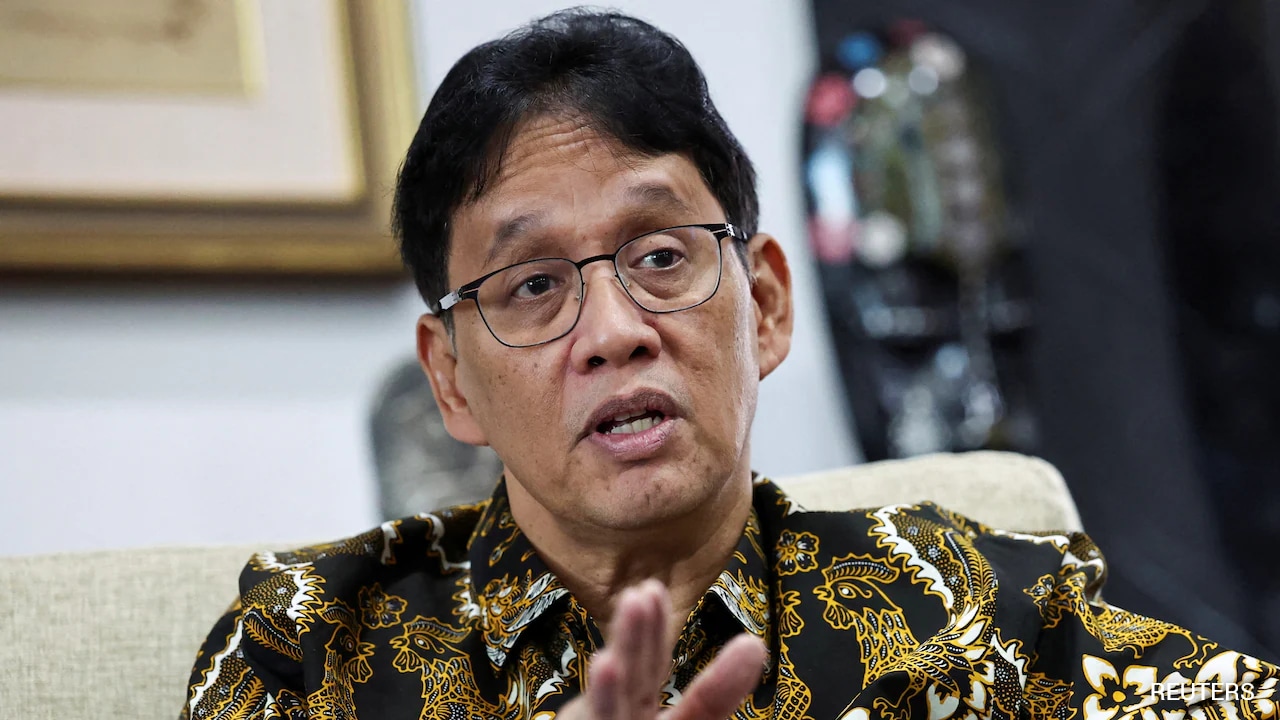
Indonesian President Prabowo Subianto sacked Finance Minister Purbaya Yudhi Sadewa after a high-stakes turf war with top tax and customs officials. One of those officials happens to be a former special forces colleague of the president. If you want to understand how power actually works in Southeast Asia's biggest economy right now, look no further than this messy clash. It tells you everything about how loyalty currently outweighs strict technocracy in Jakarta.
How the Battle Exploded
The breakdown didn't happen overnight. It started when Purbaya tried to shake up the bureaucracy by rotating hundreds of officials across tax and customs directorates. To a reformer, moving people around is standard practice to fix systemic leaks. To the officials in the crosshairs, it looked like a threat.
Customs and excise chief Djaka Budhi Utama and tax head Bimo Wijayanto flatly objected to the job rotations. They hadn't signed off on them. Bimo and Purbaya were already locking horns over tax refunds—Bimo wanted quick payouts to keep businesses happy, while Purbaya dragged his feet to scrutinize claims and protect state revenues.
Djaka took things a step further. Because he served alongside Prabowo in the military's special forces team back in the 1990s, he enjoyed a direct pipeline to the top. While Purbaya supposedly had to jump through hoops to secure a meeting with the president's inner circle, Djaka went straight to the boss.
He skipped the finance minister entirely and complained directly to Prabowo just as the president was packing for a trip to the BRICS summit in India.
The Firing Call During a Budget Hearing
Prabowo returned from his trip early on Monday. By then, the fate of the finance minister was sealed.
Purbaya learned he was out of a job while sitting in a parliamentary hearing answering lawmakers' questions about the upcoming 2027 budget plan. A phone call from the presidential spokesperson delivered the blow. Suahasil Nazara, a veteran technocrat who previously served as a deputy finance minister, stepped in immediately and promised to review all the controversial appointments.
Investors and financial analysts mostly welcomed the quick change to stabilize market nerves in the $1.5 trillion G20 economy. Months of policy uncertainty had left international observers jittery. Yet the underlying message of the firing is hard to ignore. When an appointed technocrat tries to reform agencies that answer to presidential loyalists, the technocrat usually loses.
The Cost of Military Loyalties in Civilian Government
Prabowo has loaded his administration with close allies, former soldiers, and active military figures. Figures like Defense Minister Sjafrie Sjamsoeddin and cabinet secretary Teddy Indra Wijaya hold immense influence. Other top state roles, including the leadership of national airline Garuda Indonesia, have gone to former military men.
Economists and political watchers point out that this heavy reliance on personal loyalty makes sense given Prabowo's long years outside government. But it creates a dangerous friction point. Running a complex national economy requires predictable rules, clear institutional boundaries, and a merit-based civil service. When personal military bonds override standard ministerial authority, institutional trust takes a hit.
You can talk about picking the best people for the team all you want, but actions speak louder. When an internal agency dispute can trigger an instant firing during a live parliamentary session because one side has an elite military background, you don't have a modern meritocracy. You have a court.
Suahasil Nazara now has to pick up the pieces, review the disputed staffing changes, and calm an anxious financial sector. Meanwhile, the broader question remains open. Can a government built on military brotherhood successfully manage a massive, modern economy without stepping on its own toes?
Watch how the new finance minister handles the next round of bureaucratic pushback. That will tell you if anything has truly changed in Jakarta.