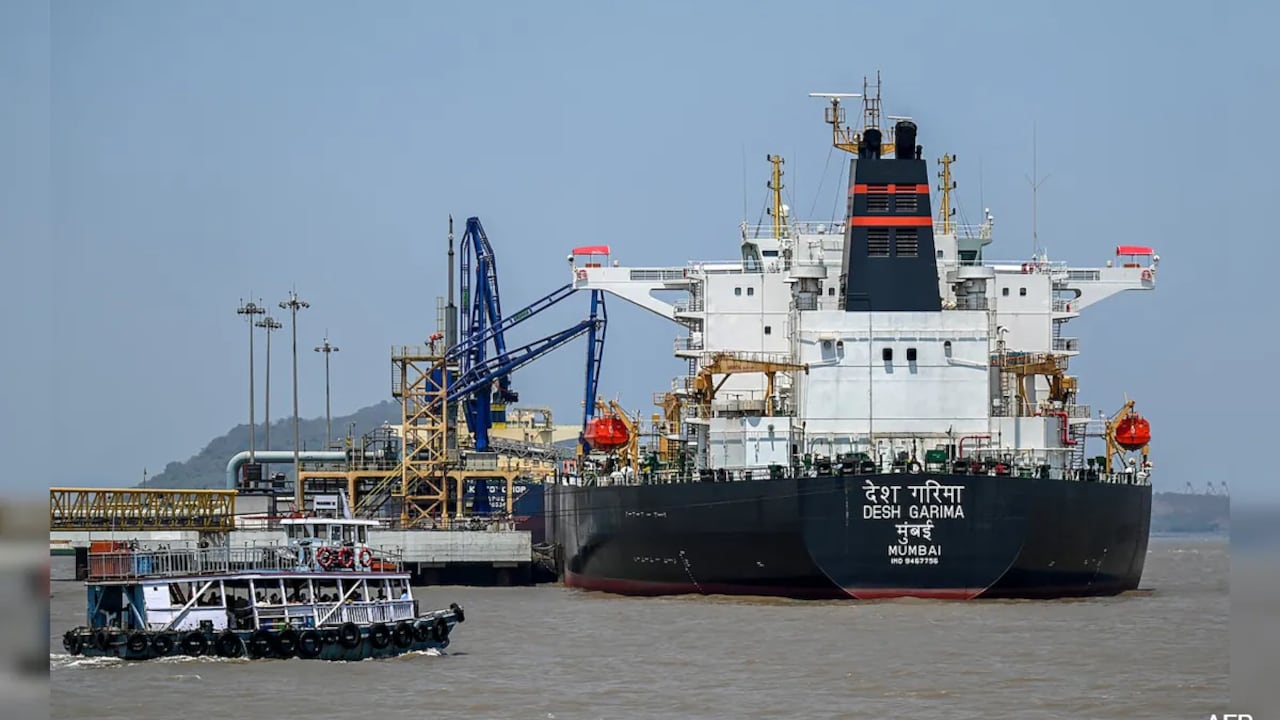
India supplies over 300,000 maritime professionals to the global shipping industry, making it the second-largest workforce provider on the planet. When commercial vessels sail through volatile global chokepoints like the Strait of Hormuz or the Red Sea, they aren't just carrying oil or consumer goods. They are carrying thousands of Indian officers, engineers, and deck cadets.
And right now, those workers are catching the brunt of geopolitical conflicts they have nothing to do with.
As Middle Eastern tensions boil over, merchant shipping lanes have transformed into active combat zones. Dozens of Indian seafarers have lost their lives, and hundreds remain stranded near hostile waters because global superpowers and regional actors refuse to guarantee civilian maritime safety.
The Human Cost of Maritime Collateral Damage
You rarely hear about the engine room crew when a missile strikes a tanker. Headlines focus on stock markets, crude oil spikes, or diplomatic posturing. Meanwhile, professionals like chief engineers, fitters, and deck cadets find themselves sitting ducks on flagged vessels caught in crossfires between state militaries and insurgent groups.
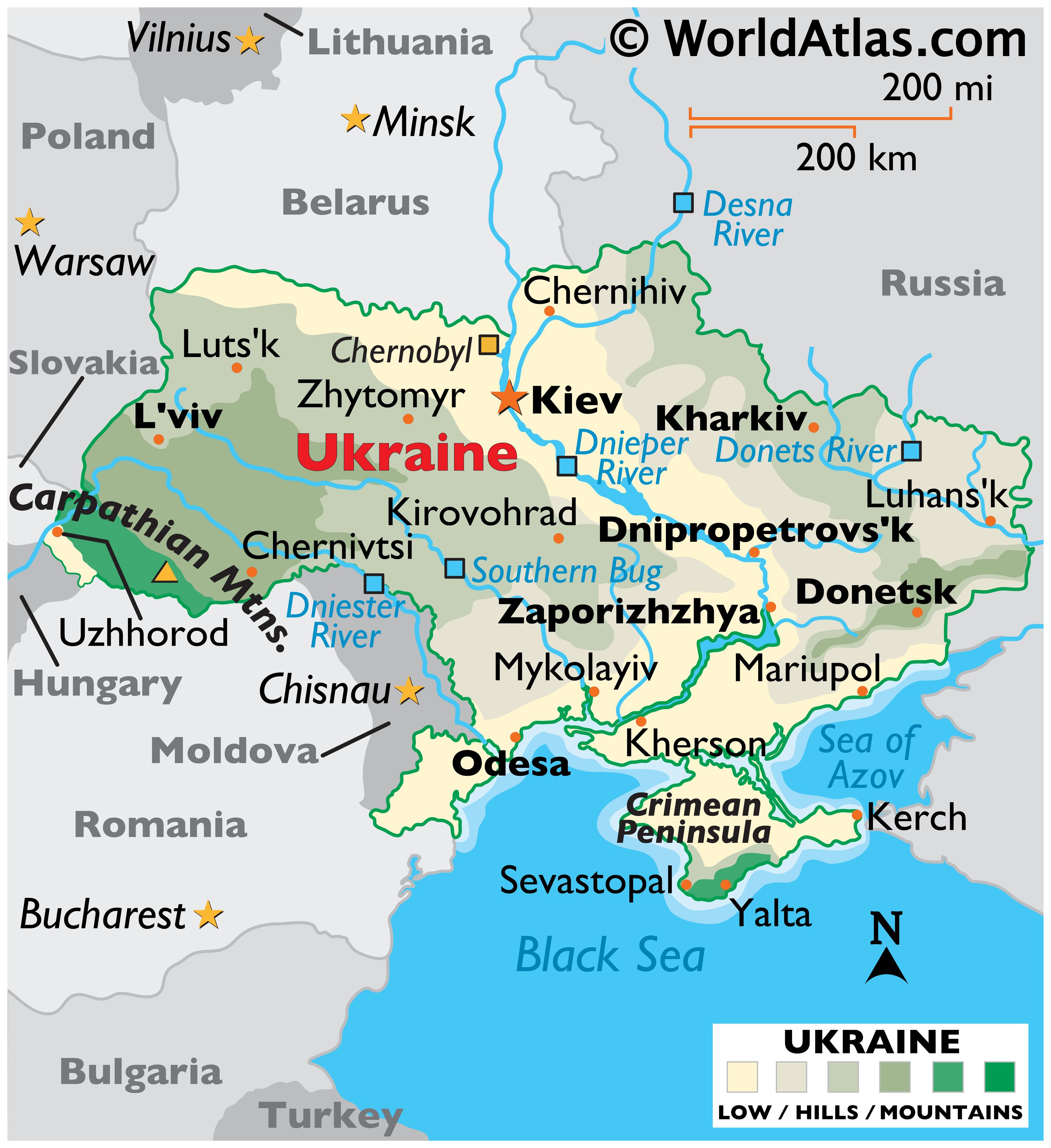
When the Marshall Islands-flagged tanker MKD Vyom was struck in the Strait of Hormuz, an Indian crew member became an immediate statistic. Similar fatal strikes hit vessels like the Skylight and the MT Settebello, claiming more Indian lives. These aren't combatants. They are civilian workers earning a livelihood thousands of miles away from home.
The International Maritime Organization (IMO) routinely reports that thousands of seafarers remain dangerously exposed in the Persian Gulf and surrounding waters. Yet, commercial pressure forces shipping lines to keep pushing through dangerous corridors. If a crew refuses to sail, they risk blacklisting or contract termination. If they sail, they risk a cruise missile or drone attack.
Why India is Uniquely Vulnerable
India’s massive footprint in global maritime trade is a double-edged sword. Because a huge percentage of the world's commercial fleet relies on Indian manpower, any disruption in global shipping corridors directly translates to Indian casualties.
Consider the logistical nightmare unfolding near the Strait of Hormuz. Numerous tankers carrying Indian crews remain stranded as regional shipping traffic plummets to historic lows. These workers are stuck on floating time bombs with depleting supplies, facing extreme psychological distress.
The Ministry of External Affairs faces an uphill battle trying to negotiate evacuations or secure the release of detained vessels. Summoning foreign diplomats helps lodge diplomatic protests, but it doesn't stop missiles from hitting hulls in the middle of the night.
The Failure of Global Protections
International maritime law is supposed to protect civilian shipping during armed conflict. The reality on the water tells a completely different story.
Naval forces from major powers patrol these regions, but their primary objective is protecting their own strategic interests or specific allied vessels. Commercial cargo ships flying convenience flags often fall outside immediate defensive umbrellas.
Shipping companies frequently downplay the risks to keep supply chains moving. Insurance premiums skyrocket, but hazard pay rarely matches the actual terror of dodging drone strikes. Crew members report feeling entirely abandoned by both their employers and flag states that care more about cargo delivery than human survival.
What Needs to Change Right Now
Protecting global seafarers requires immediate, concrete shifts in how the shipping industry operates during wartime.
- Mandatory Hazard Refusals: Seafarers must have the absolute legal right to refuse voyages through active conflict zones without facing employment termination or financial penalties.
- Active Naval Escorts: Regional trade lanes vital for civilian supply chains need dedicated, multilateral naval protection rather than a haphazard patchwork of unilateral defense operations.
- Strict Accountability: International bodies must aggressively penalize state and non-state actors who intentionally or recklessly target civilian merchant vessels.
Until the global community treats civilian sailors as human beings rather than disposable operational costs, the death toll will keep rising. India's maritime workforce deserves better than being treated as cheap collateral in foreign wars.