You’re walking down a busy street in Causeway Bay or Tsim Sha Tsui. A smiling staff member approaches, holding a small sample. They compliment your skin. They promise a "quick" demonstration. Before you know it, you’ve been inside the shop for two hours, your credit card is being swiped for a five-figure sum, and you’re wondering how you got there.
It isn’t an accident. It’s a highly calculated performance.
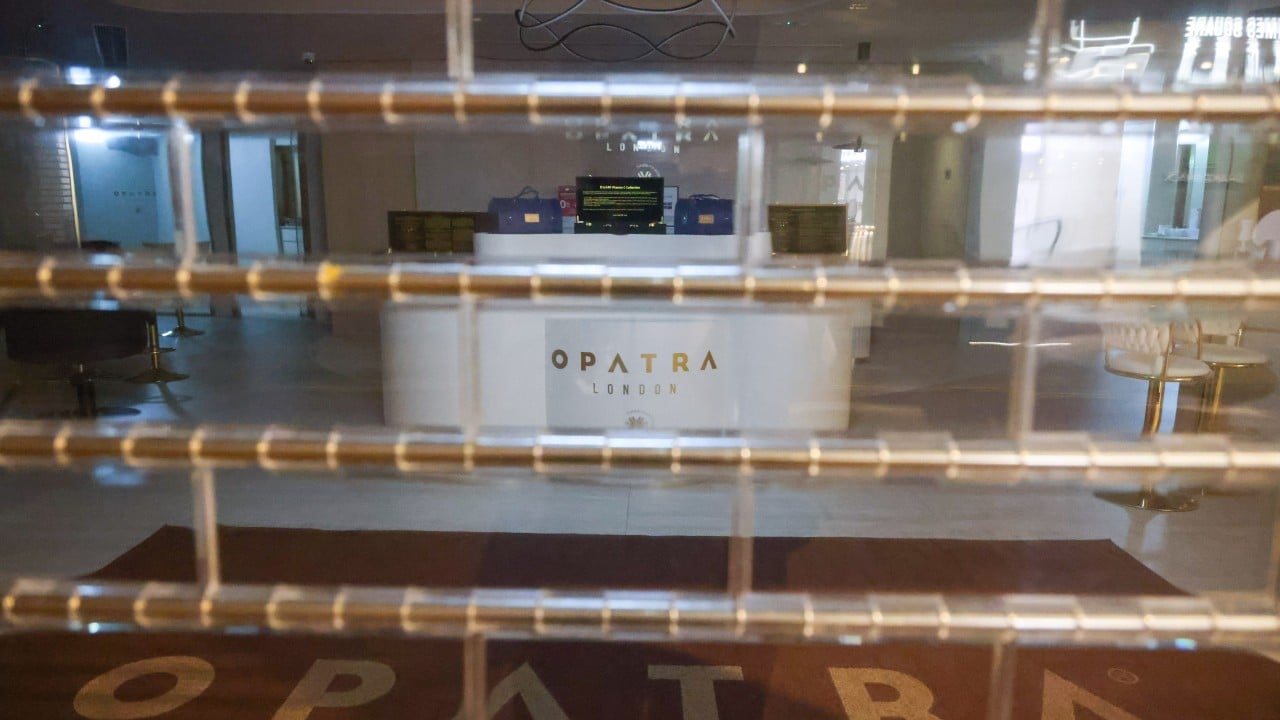
Recent investigations into firms like Opatra London have brought these predatory sales practices back into the spotlight. While the brands change, the script remains eerily consistent. If you’ve ever felt trapped in a beauty boutique, you aren’t alone. These operations don’t target just anyone; they hunt for specific psychological triggers.
The anatomy of a trap
The playbook is built on a foundation of manufactured urgency and social pressure. It starts with the "hook"—a low-stakes interaction like a free sample of eye cream. Once you’re through the door, the dynamic shifts. The goal is to move you from the public space of the sidewalk into a private, seated area where you’re isolated from the rational world outside.
Once you’re seated, the "pacing" begins. You’re presented with a series of minor upsells. The staff frames these as exclusive opportunities, often mentioning that a product is limited or that a manager is granting a one-time discount.
The real danger zone is when the credit card comes out. Former employees of similar high-pressure chains have described how staff are trained to keep the card in their possession, using it as a prop to keep you anchored to the seat. If you show hesitation, they don't stop. They bring in a "closer"—a senior manager who ratchets up the emotional intensity, sometimes using fake phone calls or feigned surprise to create the illusion of a rare deal.
Why you freeze up
You might think, "I would just walk out." But the human brain is wired to be polite, especially when someone is showering you with compliments or performing a service on your skin. These shops exploit that social contract.
- The sunk cost trap: After spending thirty minutes listening to a pitch, you feel a subconscious pressure to "give them something" for their time.
- The fear of confrontation: Most people want to avoid a scene. These stores rely on you being too embarrassed to stand up, demand your card back, and walk out.
- Decision fatigue: By the time they hit you with the final, massive price tag, your willpower is often depleted from the constant stream of small, manageable "yes" decisions they steered you toward earlier.
The environment is designed to confuse. Music, lighting, and a rapid-fire sequence of "exclusive" treatments prevent you from checking prices online or thinking through your finances.
Beyond the sales floor
The tactics extend to the products themselves. Many victims report being told their existing beauty regimen is "harmful" or "ineffective" compared to the shop's proprietary, high-tech devices. When they claim a product is "pregnancy-safe" or "doctor-approved," it’s often a tactic to build artificial trust.
If you find yourself in this situation, the most effective tool you have is your own exit. You don't need a polite excuse. You don't need to finish the demonstration. If a staff member refuses to return your credit card, that isn't a sales tactic; it’s a legal issue. Don’t wait for them to "process" another transaction. Demand the card back immediately and state clearly that you are leaving.
How to protect yourself
If you're tired of these schemes, you have to be ready before you leave the house.
- Keep your distance: If someone approaches you with a sample, keep walking. A simple, firm "no thank you" is enough. Don't engage in small talk.
- Never hand over your card: There is no legitimate reason for a shop to hold your credit card while you are "thinking" about a purchase. If they take it, ask for it back immediately.
- Walk away when you feel the pressure: As soon as you feel a pit in your stomach or the conversation starts to feel like a high-stakes negotiation, stand up. The moment you leave the shop, their power over you evaporates.
- Report the behavior: If you’ve been subjected to aggressive sales or feel you were coerced into a purchase, contact the Hong Kong Customs and Excise Department. They have been active in investigating these chains, but they need individual reports to build a case.
Don't let the fear of being rude cost you thousands of dollars. The people working these counters are pros at exploiting your good manners. You owe them nothing. The next time you’re being steered toward a back room, remember that your time and your money are yours to keep. Walk out. It’s the smartest beauty move you can make.