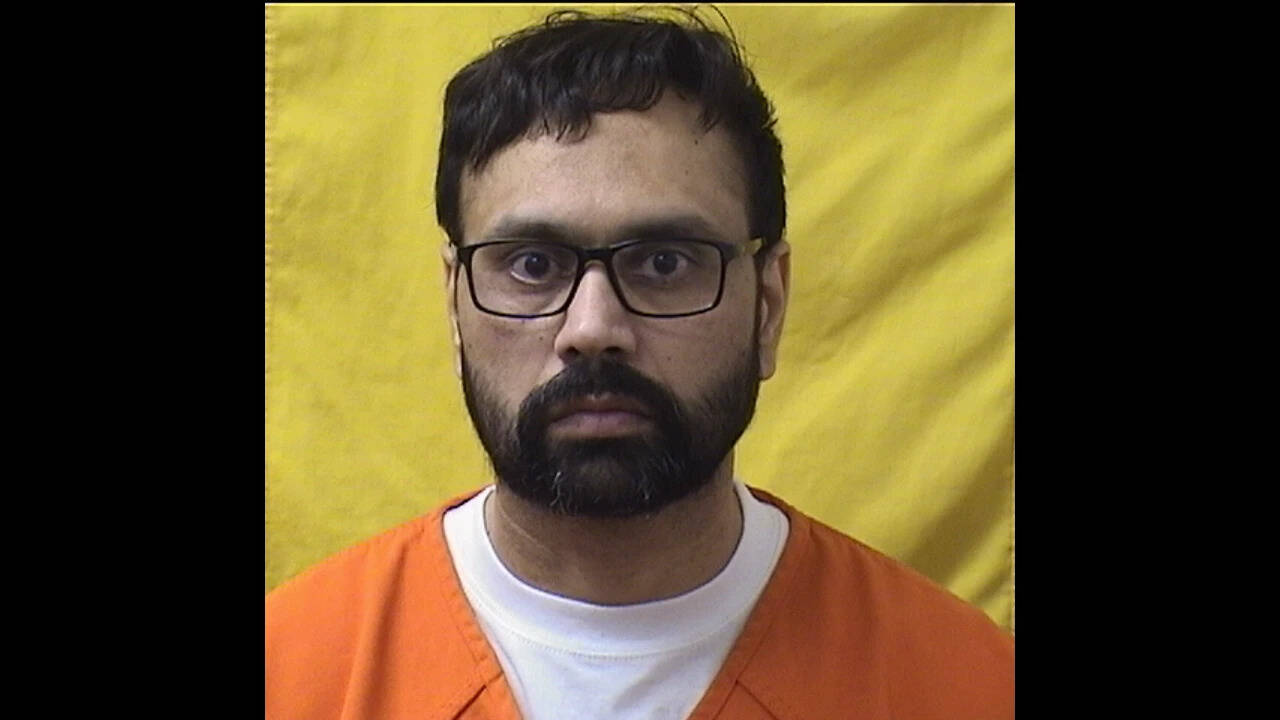
You dial 911, telling dispatchers your family is dead. Hours later, investigators find you standing in the wreckage with blood spatter on your clothes and gunshot residue on your hands. That is the exact nightmare scenario Gurpreet Singh finds himself trapped inside, and now he wants a complete do-over.
Singh, an Indian-origin truck driver currently sitting on Ohio's death row, is fighting tooth and nail for a third trial. His legal team recently appeared before the Ohio Supreme Court, arguing that his previous representation was fundamentally incompetent. When you look past the courtroom theatrics, the core issue exposes deep fractures in how indigent defendants navigate a foreign legal system.
The timeline of this case stretches back to April 28, 2019. Police arrived at a West Chester home to find four members of a family shot dead: Singh's wife, Shalinderjit Kaur; her parents, Parmjit Kaur and Hakiakat Singh Pannag; and her aunt, Amarjit Kaur. Every single victim had suffered multiple close-range gunshot wounds to the head and face.
Singh wasn't arrested on the spot. Investigators spent months building a circumstantial and forensic fortress against him. Prosecutors pointed out that his boots were found right next to his dead wife, covered in her blood and brain tissue. Bloody footprints tracked through the crime scene matched his footwear. Neighbors even reported seeing him acting suspiciously near the back patio, followed by a suspicious splash in a nearby pond where the murder weapon was eventually recovered.
The Double Life Motive
Prosecutors didn't have to look hard for a motive. Singh was living a secret double life. He was having an affair with another woman and had quietly purchased a house near her roughly nine months before the murders. According to the state, the financial strain of trying to maintain a secret household alongside his primary family on a truck driver's salary pushed him over the edge.
Yet, defense strategies during his initial proceedings have become the centerpiece of his current appeal.
Singh's first trial in 2022 ended in a mistrial when a hung jury deadlocked 11-1. During the second trial, rather than rolling the dice on another jury—especially after a juror literally fainted from looking at the graphic crime scene photos—his attorneys waived his right to a jury trial. They opted instead for a panel of three judges, who ultimately handed down the death sentence.
The Language Barrier and Legal Strategy Debate
Now, appellate attorney Kathryn Sandford is arguing before the state's highest court that Singh never truly understood what he was giving up. Because Punjabi is Singh's native language, Sandford claims a language barrier interfered with his comprehension of the jury waiver.
The state pushes back hard against this narrative. Prosecutors maintain that the trial court went to great lengths to ensure comprehension, and defense counsel confirmed they had thoroughly reviewed the written waiver with him in jail beforehand.
Finances also played a messy role in the background. Butler County court records show that public taxpayers shelled out over $180,000 for defense costs across the trials, covering expert witnesses and multiple interpreters, while prosecutors spent tens of thousands more securing convictions.
When a man faces capital punishment, every legal misstep gets magnified under a microscope. Whether the Ohio Supreme Court buys the argument of ineffective counsel remains to be seen, but the machinery of the death penalty keeps grinding forward.
Gurpreet Singh found guilty in killings of wife, 3 other family members in West Chester
This news report provides visual context and historical footage of the legal proceedings surrounding Gurpreet Singh's murder trial in Ohio.
http://googleusercontent.com/youtube_content/1