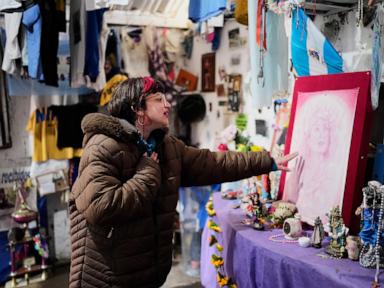
Thirty years ago, a horrific highway crash on Route 12 cut short the life of Miriam Alejandra Bianchi, better known to millions as the cumbia icon Gilda. She was only 34. Today, her name commands a completely different kind of reverence across Argentina. She isn't just remembered as a platinum-selling singer of heartbreak and desire. She is worshipped as a miracle-working folk saint.
If you travel through Argentina, you quickly notice that official church altars share space with a sprawling, unofficial pantheon of folk saints. From Gauchito Gil's red flags to the water bottles left for Difunta Correa, Argentines have long turned to marginalized or tragic figures for spiritual protection. Gilda fits this tradition perfectly. But her path from kindergarten teacher and tropical pop star to divine intercessor reveals a lot about how ordinary people practice faith outside institutional boundaries.
The Tragic Crash That Created a Legend
On September 7, 1996, a truck slammed into the tour bus carrying Gilda, her mother, her daughter, and several band members. The crash on the national highway skirting the Paranacito River left few survivors. Shock waves rippled through the country. Fans didn't just mourn; they started believing.
Almost immediately, stories emerged of prayers answered and impossible healings attributed to the late singer. Her posthumous records surged, going double platinum as her tracks transformed into national anthems. The crash site near Ceibas turned into an open-air shrine. Today, the rusted wreckage of the tour bus is preserved behind glass, completely buried under mountains of flowers, candles, and handwritten letters asking for miracles.
Why Argentines Pray to Gilda
The Roman Catholic Church doesn't officially recognize Gilda. Priests might celebrate mass at her shrine, but they carefully steer parishioners toward worshipping God directly rather than treating a pop star as divine. Devotees don't see a contradiction.
People like Julia Domínguez, who credits Gilda with curing growths on her vocal cords, view the singer as an intercessor. Walk inside the chapel next to the crash site and you'll see tangible proof of this intense devotion:
- Wedding dresses left by brides whose marriages materialized after praying to her.
- Athletic jerseys and trophies offered by sports champions.
- Discarded crutches from people who regained their ability to walk.
- Police uniforms left by officers who earned promotions.
Her enduring appeal comes down to raw accessibility. During her life, Gilda sang in prisons and kept intimate contact with working-class fans. She felt like one of them. That deep sense of shared humanity didn't die in the wreckage; it amplified.
When institutional religion feels distant or rigid, everyday people often look elsewhere for comfort. Gilda's shrine proves that faith in Argentina is driven from the ground up. The people decide who answers their prayers long before any Vatican decree ever arrives.
Check out this Argentina Gilda folk saint retrospective to see archival footage of her music career and the massive shrines built in her honor today. This video is relevant because it provides visual documentation of Gilda's journey from a celebrated cumbia singer to an iconic Argentine folk saint.
http://googleusercontent.com/youtube_content/1