Germany just took delivery of its very first F-35A Lightning II fighter jet from Lockheed Martin. The ceremony happened in Fort Worth, Texas, with German Defence Minister Boris Pistorius standing right there on the tarmac.
It's a big deal. For decades, Berlin dragged its feet on military spending. Now, the math looks completely different.
Back in 2022, right after Russia invaded Ukraine, Germany pulled the trigger on ordering 35 of these advanced stealth jets. They're meant to replace the aging Tornado fleet. More importantly, these jets keep Germany locked into NATO's nuclear-sharing framework. If you're wondering why Berlin didn't buy a European alternative, the answer comes down to time, nuclear certification, and sheer necessity. Building a brand-new fighter jet takes decades. Buying off-the-shelf from Lockheed Martin gets planes in the air right now.
The Pressure Behind the Defense Budget Surge
Washington has griped about European defense freeloading for years. Under renewed pressure from Washington, European NATO members agreed to push security-related spending up to five percent of GDP by 2035.
Germany's wallet is wide open for the first time in modern history. Years of chronic underfunding left the Bundeswehr struggling with broken equipment, empty barracks, and low morale. Now, billions are flowing into hardware, logistics, and personnel.
Buying stealth fighters is the easy part. Operating them is where things get messy.
What Actually Happens Next for the Luftwaffe
Pilots don't just jump into an F-35 after flying a Tornado. The training pipeline takes years. German pilots and maintenance crews are stationed in the United States right now, learning how to handle the jet's complex software systems.
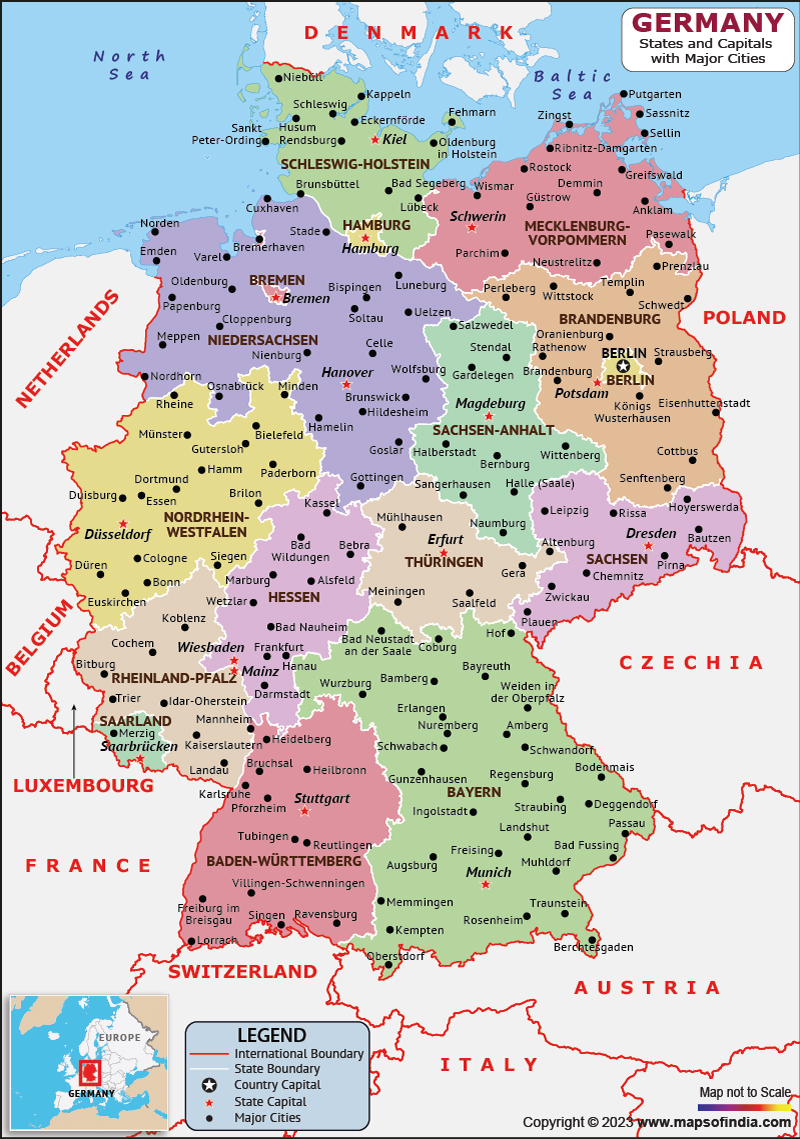
You also have to upgrade military bases back home. The air base in Büchel, where Germany stores tactical nuclear weapons, requires extensive security and technical overhauls to house the F-35 safely. If those hangars aren't ready when the jets physically fly across the Atlantic, you've got multi-million-dollar aircraft sitting in the rain with nowhere to plug into secure maintenance networks.
The Broader European Sky Shield
Germany isn't buying these jets in a vacuum. Other European nations are snapping up the same platform to standardize their air forces. When every major NATO ally flies the exact same fifth-generation fighter, communication, data sharing, and joint operations become infinitely easier.
Critics worry about supply chain bottlenecks and reliance on American defense contractors. Maintenance for the F-35 relies heavily on proprietary US software systems like ODIN. If Washington ever decides to cut off data updates, those planes turn into expensive lawn ornaments. Berlin accepts that risk because the immediate threat from the East outweighs long-term sovereignty concerns over software code.
Take a close look at how European defense procurement operates over the next five years. Watch the air base upgrades in Germany, track the training schedules in Texas, and stop treating military spending announcements as empty political rhetoric.