Thousands of people are finally heading back to their front doors in southwest France after a monster blaze forced them out. It is a massive relief. But don't mistake a single shift in the weather for a permanent victory against the flames.
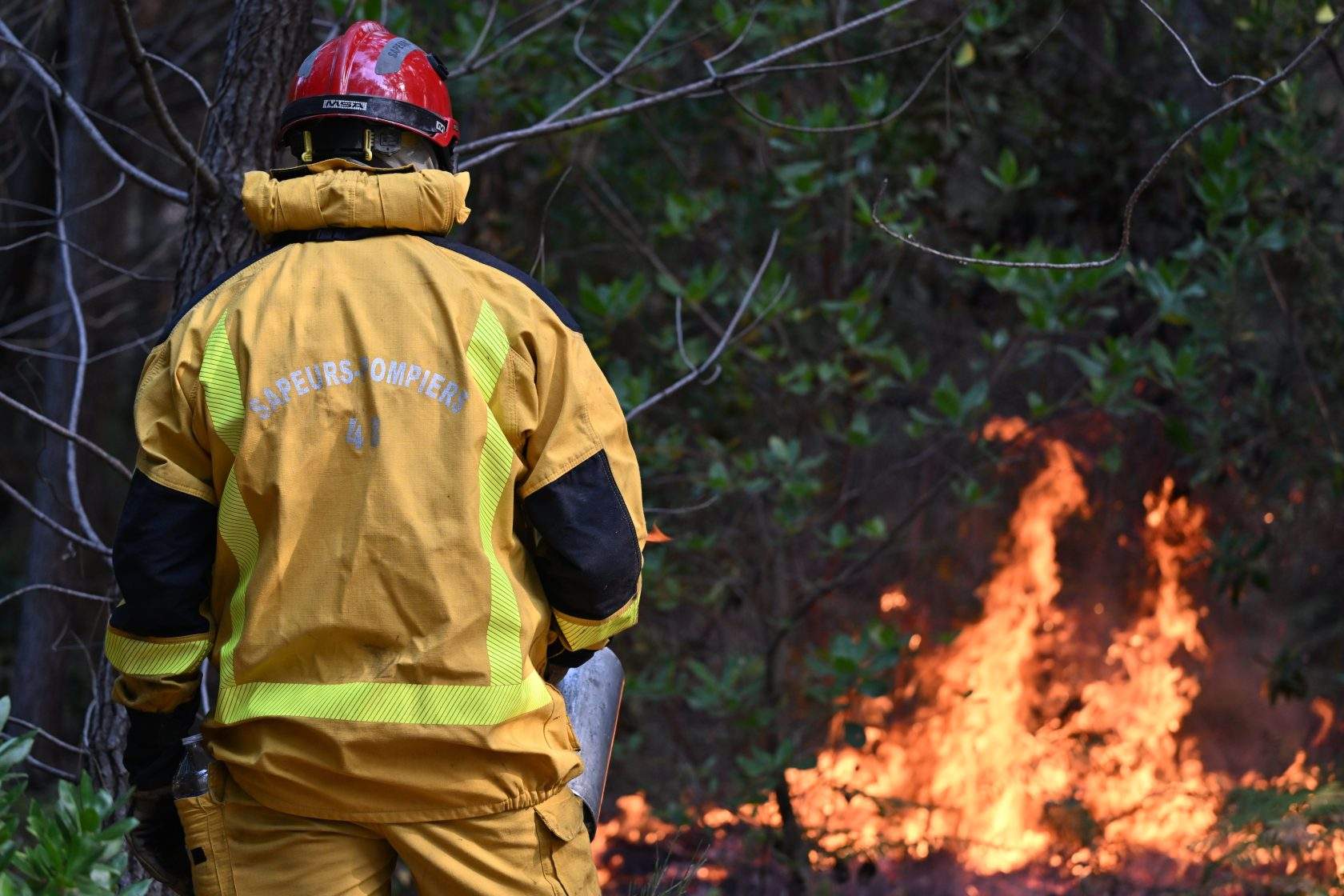
French authorities cleared 84,000 evacuees to return to nine localities across the Gironde region. This comes after a brutal stretch where over 220,000 people fled the path of a fire that consumed an area four times the size of Paris. Cooler temperatures, higher humidity, and light rain finally gave exhausted firefighters the break they needed.
Yet, the crisis across Europe is far from over.
The Reality on the Ground in Bordeaux
When residents like Sanachit Pho Ne Keo returned to Martignas-sur-Jalle, they found ash coating their terraces, but thankfully, standing structures. Others haven't been as lucky.
Local officials are keeping expectations grounded. Sophie Brocas, the prefect for the Gironde region, noted that while things are moving in the right direction, returnees must keep their phones charged and pack emergency bags. The fire isn't technically gone; it has simply stopped growing beyond its 42,000-hectare footprint.
Public health warnings are explicit. Officials advise wearing gloves and face masks during cleanup. They also urge residents to thoroughly wash children's toys and pets' paws. Emergency rooms in Bordeaux saw major spikes in asthma and respiratory complaints while the smoke hung thick in the air.
How France Fought Back
The scale of this mobilization is historic. More than 3,300 firefighters are deployed in the region. They aren't just using standard trucks anymore. Authorities brought in police water cannons—typically reserved for civil unrest—to douse stubborn embers.
Crews also carved out massive firebreaks stretching over 130 kilometers through local woodlands. Heavy diggers ripped up trees and brush, while tactical crews set controlled counter-fires to eliminate potential fuel sources before the main front could reach them. International aid poured in from nations like Germany, Serbia, Slovakia, Luxembourg, and Latvia to support the overworked French crews.
The Broader European Picture
While France takes a collective breath, the rest of the continent remains a tinderbox.
Wildfires continue to scorch parts of Spain, Turkey, and Greece, where three firefighters tragically lost their lives on the island of Crete. Even celebrity properties weren't immune, with actor George Clooney confirming he evacuated his French home due to a nearby threat.
Record-breaking summer heat waves have fundamentally changed what European summers look like. Infrastructure is straining under the pressure. For instance, Romania recently had to shut down reactors at its state-owned Cernavoda nuclear power plant because Danube River water levels dropped too low for proper cooling.
What You Should Do If You Are Traveling or Living in Fire Zones
If you are currently in southern Europe or planning a trip during peak August holiday season, you need to stay alert.
- Monitor local emergency alerts and keep mobile devices fully charged at all times.
- Respect local travel restrictions, such as the recently reopened A63 highway south of Bordeaux, but be prepared for sudden route changes.
- Pack an emergency go-bag with essential documents, N95 masks, and medications, even if your specific area has been cleared for reentry.