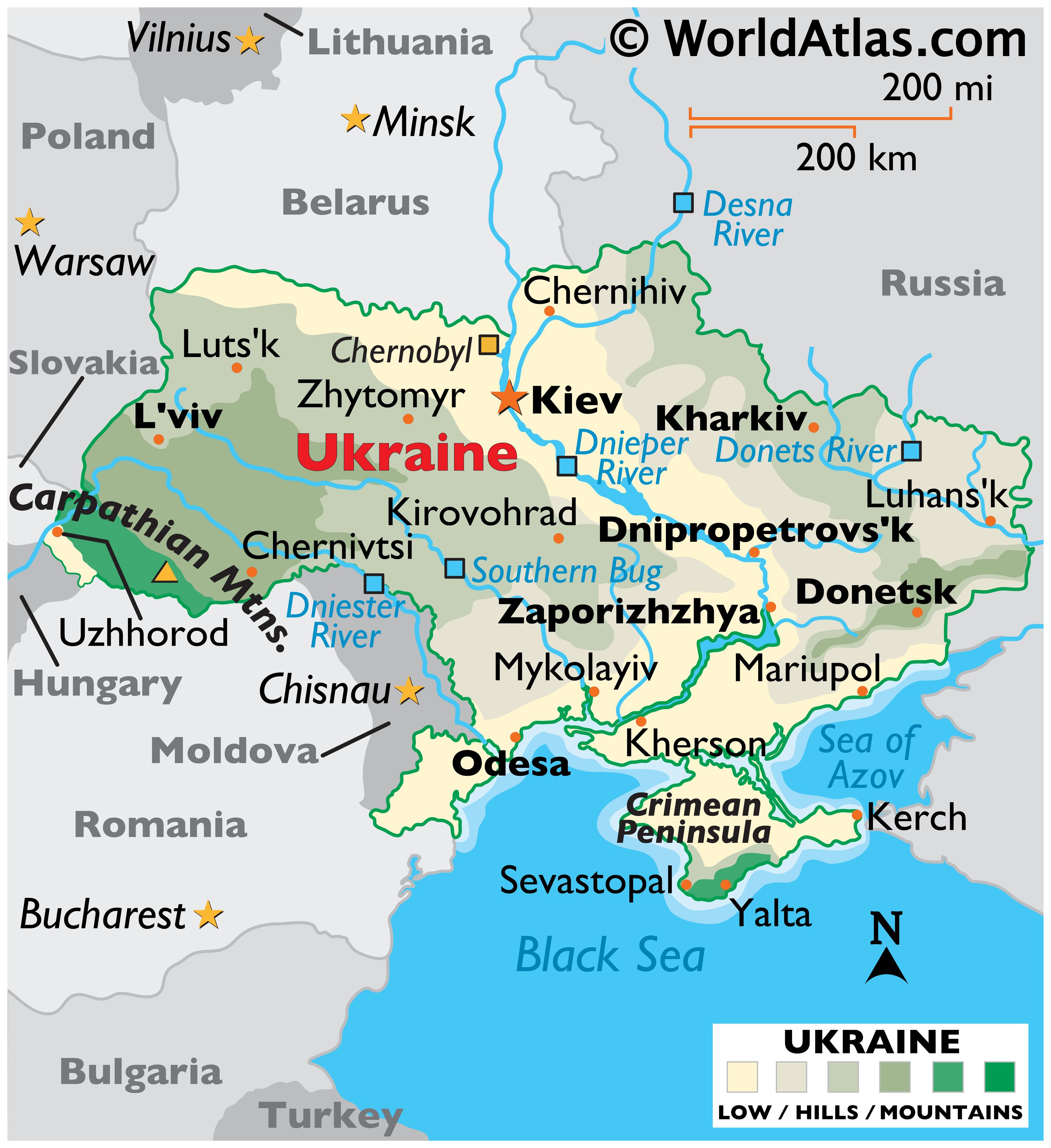
French lawmakers just voted to pass a blanket ban on social media for children under 15. Passed by both chambers of Parliament, this flagship bill backed by President Emmanuel Macron also bans mobile phones in high schools and aims to roll out by the start of the September school year.
It sounds like a decisive win for worried parents. When you look at the stats, you can see why politicians pulled the trigger. France's health watchdog found that 90% of kids aged 12 to 17 use smartphones daily, with over half using them specifically for social networks. Add in high-profile lawsuits against TikTok over teenage mental health crises and suicides, and the political mandate seemed clear: cut off the supply.
I get the impulse. The infinite scroll is an engine designed to capture adolescent insecurity for profit. But passing a sweeping law in a assembly room and actually enforcing it across millions of encrypted phones are two entirely different things.
Here is what most news outlets are glossing over regarding France's new law, why age verification is a technical nightmare, and what parents actually need to do next.
The Technical Wall Nobody Wanting to Talk About
If you tell a 14-year-old they can't access TikTok or Instagram, their immediate reaction isn't compliance—it's workaround.
The primary failure point of any digital age ban isn't legal intent; it's verification mechanics. Under the new French law, social media platforms are required to verify the age of every user to ensure kids under 15 can't create accounts. Under-15s will be blocked from opening new profiles, and platforms will have until early next year to identify and suspend existing ones.
How do you actually prove someone is 15 online without destroying privacy for everyone else? You basically have three terrible choices:
- Government-issued ID uploads: Forcing users to upload passports or national ID cards to private tech platforms. This creates a massive honey pot for hackers and data breaches.
- Facial age estimation: Biometric scanning using AI to guess a user's age from their camera. It is notoriously unreliable for teens going through puberty spurts and raises obvious biometric privacy issues.
- Credit card checks: Easily bypassed by using a parent's card or prepaid options.
Left-wing opposition groups like France Unbowed correctly pointed out that age verification at this scale effectively destroys online anonymity for adults too. To verify that a user isn't a child, platforms have to verify who every single adult is.
Then there's the VPN problem. Virtual Private Networks let anyone bypass regional restrictions with two taps on a screen. Unless France intends to firewall its entire national internet infrastructure—a move that would trigger legal clashes under European law—kids will be setting their location to Belgium or Germany within five minutes of the ban taking effect.
The European Union Conflict
France isn't acting in a vacuum. The European Commission quickly stepped in during draft negotiations because the French law directly overlaps with the EU's Digital Services Act (DSA).
Under EU law, single member states cannot simply write their own digital platform regulations that override broad bloc-wide frameworks. While lawmakers managed to patch together a final text by shifting the compliance responsibility to align with European regulatory oversight, legal challenges are practically guaranteed before the August implementation window clears.
European Commission President Ursula von der Leyen has signaled that the EU is drafting its own restrictions, recommending limits for kids under 13 until tech platforms prove they are safe. But France's decision to push a hard line at age 15 puts it in direct conflict with both tech firms and European legal frameworks.
Following Australia Down a Difficult Path
France is playing follow-the-leader. Australia passed similar legislation banning social media for kids under 16, and other countries like Spain, Denmark, and the UK are mulling similar age limits.
Governments prefer top-down bans because they look strong on a news graphic. They give the illusion of solving a messy, deeply rooted societal problem with a single legislative vote.
The problem is that top-down bans treat social media like alcohol or tobacco—a physical product that can be carded at a retail counter. But social media isn't a physical good; it's the digital architecture where modern youth culture, group homework chats, sports team organizing, and creative hobbies happen.
When you cut kids off cold turkey without providing digital literacy or healthier online environments, you don't stop their urge to socialize. You just push them onto unmoderated, riskier fringe platforms, obscure Discord servers, and encrypted messaging channels that are far harder to monitor than public Instagram feeds.
What Actually Needs to Change
Instead of pretending we can ban our way out of the smartphone era, policy efforts should focus on structural platform changes rather than total exclusion.
Force algorithmic accountability
The problem isn't kids talking to their classmates online. The problem is algorithmic recommendations pushing self-harm, eating disorder, or extreme content to vulnerable teens to maximize watch time. Regulators should outlaw algorithmic feed sorting for minors entirely, forcing feeds to be strictly chronological based on accounts the user actively chooses to follow.
Eliminate dark patterns
Ban infinite scrolling, auto-playing videos, and push notifications for users under 18. If a teen has to actively click "next page," consumption drops sharply.
Hold tech executives legally accountable
Instead of placing the burden of proof on 14-year-olds or forcing parents to upload sensitive identity documents, hold platforms financially liable when their systems actively serve harmful content to children.
Actionable Steps for Parents Right Now
If you're waiting for government legislation to solve screen addiction in your household, you're going to be waiting a long time. Regardless of what French lawmakers pass or what the EU decides, real enforcement always comes back to the home router and family expectations.
Here is what works in practice:
- Delay individual smartphone ownership: Shift younger teens to feature phones (dumbphones) or smartwatches with limited messaging capabilities for as long as possible.
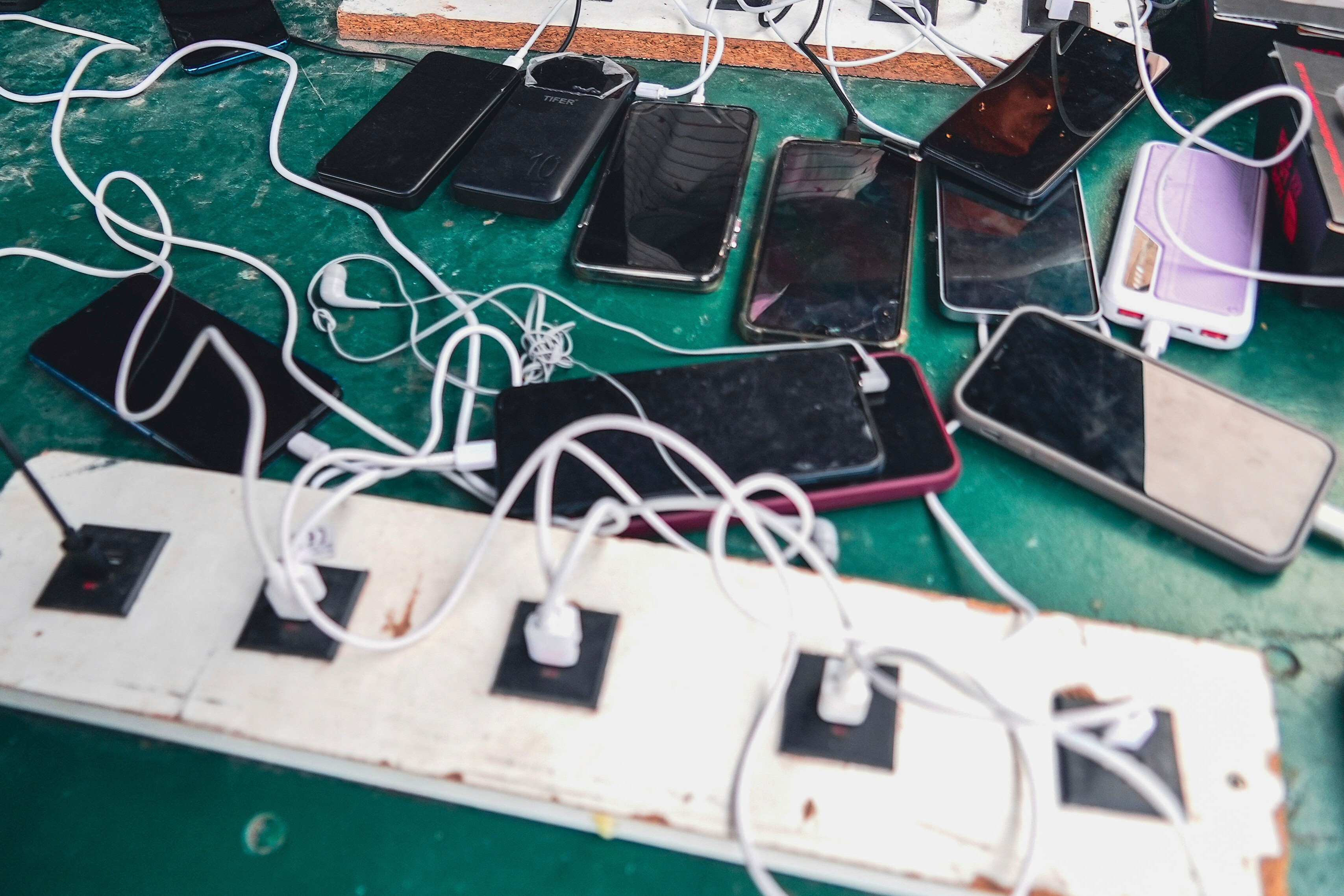
- Keep screens out of bedrooms at night: The vast majority of toxic social media encounters happen late at night when kids are isolated. Establish a central charging station in the kitchen or living room where all family devices land by 8:00 PM.
- Use network-level DNS filtering: Set up home router filters (like NextDNS or Pi-hole) to block social media domains across your home Wi-Fi network entirely during study and sleep hours. This works regardless of device settings.
- Talk about the incentives: Teach your kids why these platforms are free. When teens realize they are being manipulated by algorithms engineered to make money off their attention, they become far more skeptical of the content they consume.
Legislative bans make for great headlines, but technological reality usually wins out. Relying on tech companies and government databases to parent your children online is a losing strategy. Take control of the hardware in your own house today instead of waiting for a law that will be contested in court for years.