Planes nearly collide on runways while overworked crews juggle multiple frequencies. Then, the federal government points fingers at an old habit to shift the blame.
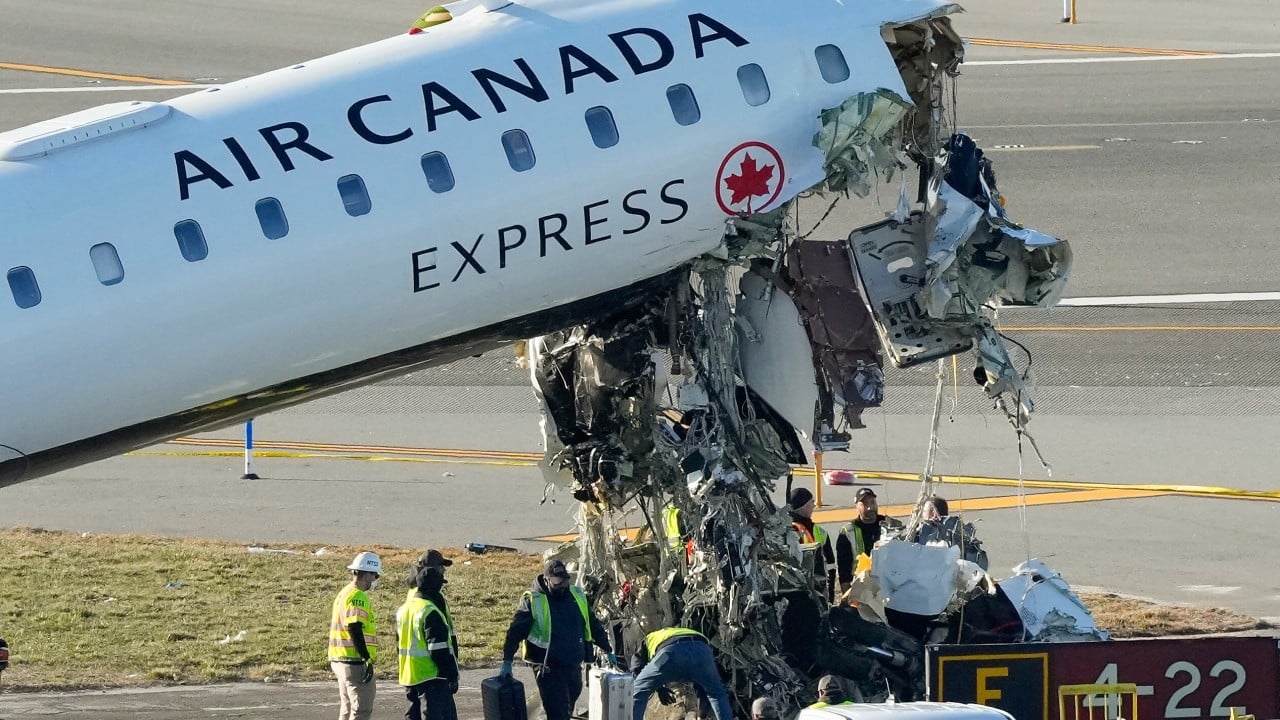
The Federal Aviation Administration is moving to fire two air traffic controllers stationed at LaGuardia Airport on the night of a deadly March runway collision. According to internal findings, these two workers left about an hour before their shifts officially wrapped up. That early departure left just two other controllers in the tower when an Air Canada regional jet slammed into a firetruck, killing both pilots and injuring dozens more.
Transportation Secretary Sean Duffy called it timecard fraud and an unacceptable risk to public safety. But if you talk to anyone who has actually worked inside an air traffic control tower, you'll hear a very different story. They call it an "early shove," and it is an open secret across the entire national airspace system.
The Truth Behind the Early Shove Culture
For years, supervisors have quietly allowed exhausted workers to head home a little early after grueling stretches. When you're managing complex airspace under intense mental strain, working six-day weeks to plug massive staffing gaps, an hour off feels like a necessary safety valve. It is an informal perk. Management knew about it. Supervisors condoned it. Nobody cared until a tragic accident forced investigators to dig through the tower logs and look for easy scapegoats.
Let's be clear. Did leaving early cause the LaGuardia crash? Almost certainly not. Those two controllers weren't even in the room when the jet touched down. The immediate disaster involved a single controller trying to manage both air and ground traffic during severe weather, alongside communication breakdowns and a ground vehicle lacking a proper transponder.
So why is the FAA suddenly cracking down on early departures with such fury?
Because admitting that the system is buckling under a catastrophic staffing shortage hurts worse than firing a few workers.
The Real Numbers Behind the Air Traffic Crisis
The numbers tell a grim story. The FAA has long struggled to maintain a fully staffed workforce. While officials claim to have thousands of trainees in the pipeline, fully certified controllers are stretched thin across major hubs. To make the system look better on paper, administrators have even slashed official staffing targets. Instead of fixing the root causes of chronic fatigue and burnout, the agency is opting for aggressive terminations to clamp down on timecard abuse.
If you are a frequent flyer, this should worry you. Pinning systemic failures on individual rule-breaking does nothing to solve the underlying rot. When workers are pushed to the brink of exhaustion, administrative crackdowns won't prevent the next close call.
Fixing the skies requires more than firing scapegoats. It demands realistic staffing targets, better schedules, and genuine accountability from the top down. Until the agency addresses chronic understaffing, pointing fingers at an early exit won't make anyone safer.
FAA Fires Two LaGuardia Controllers For Leaving Work Early Before Fatal Crash
This video provides a detailed breakdown of the FAA's decision to fire the LaGuardia air traffic controllers following the fatal runway collision.
http://googleusercontent.com/youtube_content/1