Four more lives vanished into the freezing waters of northern France. Another routine headline about English Channel crossings flashes across screens, but behind the dry bureaucratic numbers lies a grim reality of desperation and ruthless smuggling tactics. French authorities confirmed that multiple victims drowned during separate attempted departures off the northern coast in departments like Pas-de-Calais and Nord.
You see headlines about migrant deaths every few weeks, yet the structural reasons behind these tragedies rarely change. Understanding why these crossings remain persistent requires looking closely at how human trafficking networks operate on the ground, and why shifting police tactics have inadvertently made the water even more dangerous.
The Shift to Taxi Boats
Smuggling gangs changed their playbook. Instead of forcing migrants to inflate and launch overcrowded dinghies directly from open beaches under the watchful eye of police, traffickers now rely on "taxi boats".
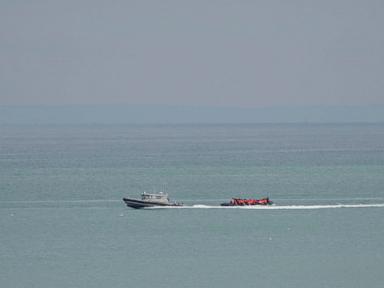
These are larger motorized inflatables that start their journeys empty or partially loaded from secluded areas. They cruise offshore, waiting for migrants to wade out into shallow coastal waters to climb aboard.
It sounds clever on paper, but it is a logistical nightmare for human safety. People are forced to walk hundreds of meters into rough, waist-deep water, often carrying children in the dark. Strong currents sweep people off their feet before they ever touch the side of a boat.
When a vessel tries to pull passengers from the surf in choppy conditions, chaos ensues. Overcrowding happens instantly as dozens of desperate people scramble to pull themselves over the rubber tubes. In incidents near Hardelot and Dunkirk, vessels sank or left unconscious passengers behind after failing to manage the weight and the rough sea state.
Why Police Crackdowns Drive Higher Risks
Law enforcement agencies on both sides of the Channel face immense political pressure to stop small boats from leaving French beaches. Billions have been spent on surveillance, beach buggies, thermal cameras, and barrier equipment.
French officers aggressively patrol the shoreline. Sometimes, officers puncture abandoned dinghies on the sand to render them useless.
This enforcement pushes smugglers to adapt. Because security forces heavily monitor the actual sand and dry land, traffickers realized they could bypass beach defenses by keeping the main vessel offshore.
The tragic irony is clear. Harder policing on the beaches forces migrants into deeper water earlier in the process, shifting the point of failure from a prevented departure on land to a fatal drowning at sea. Once people are chest-deep in the water, police safety rules and rescue limitations mean officers often cannot intervene directly without risking lives.
The Human Cost and Real Numbers
According to data compiled by research groups like the Oxford Migration Observatory, well over 160 people have died attempting to cross the English Channel since 2018. That number ticks upward with almost every favorable weather window.
When summer weather brings calm seas and clear skies, crossing attempts surge exponentially. Smugglers capitalize on these narrow windows of good weather, packing vessels far beyond structural limits. A boat designed for ten people routinely carries upwards of fifty, making any minor disturbance or wave fatal.
Survivors pulled from the water are typically treated for severe hypothermia, shock, and exhaustion. Emergency response teams deploy rapidly to beaches with thermal blankets and medical tents, treating casualties while prosecutors open criminal investigations into the networks orchestrating the passage. Yet, the criminal syndicates remain insulated thousands of miles away from the beaches, collecting thousands of euros per passenger while taking zero personal risk.
What Happens Next
Governments in London and Paris continue negotiating multi-million-pound funding packages aimed at intelligence sharing, border hardware, and dismantling local supply chains. However, security measures alone fail to address the root drivers pushing people toward these perilous shores.
Until safe legal pathways or effective disruption of the underlying financial incentives change the equation, desperate individuals will keep walking into the dark surf. The cycle of tragedy on the French coast remains unbroken.
Four migrants die attempting to cross English Channel on overloaded taxi boats
This video provides a detailed look at the dangers and mechanics behind illegal small-boat crossings in the English Channel.