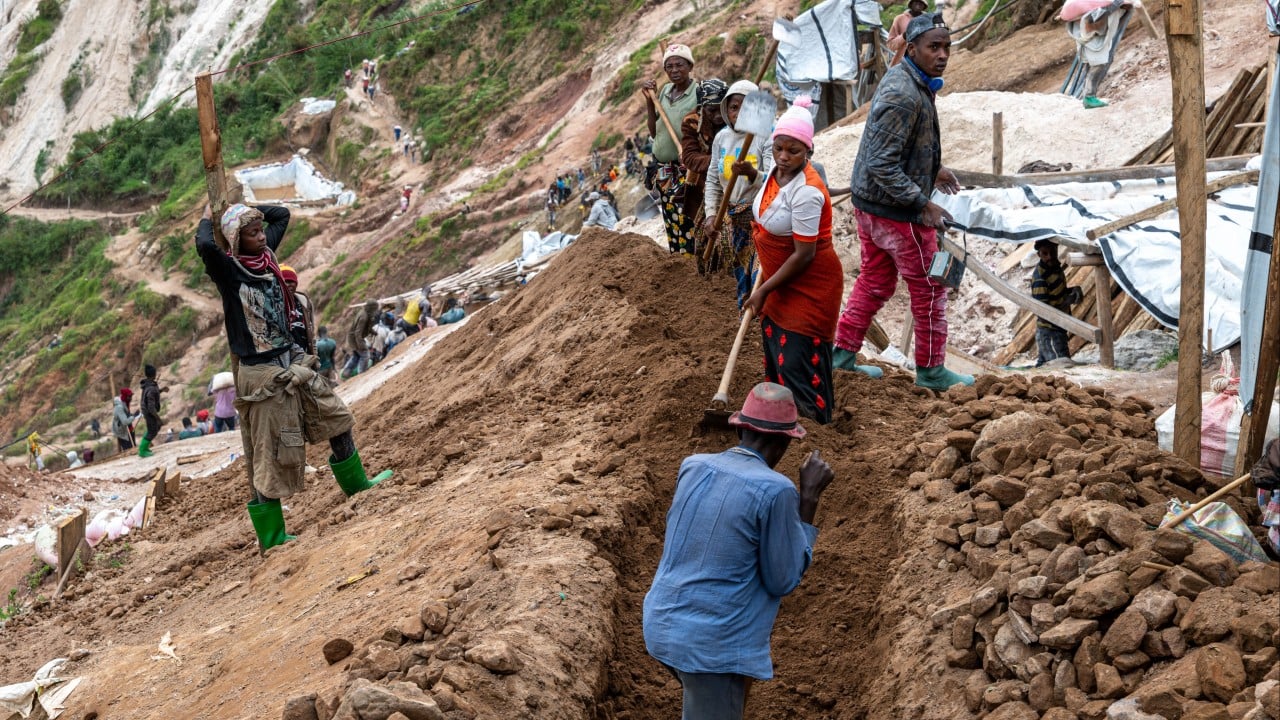
The ground in eastern Congo holds the metals powering modern technology, and Washington wants a piece of the action. For years, Chinese companies have locked down dominant positions across the region's immense mineral deposits. A recent US-brokered peace road map in the Democratic Republic of Congo aims to crack open that monopoly. But securing a foothold in a conflict zone is easier said than done.
When diplomats talk about peace frameworks in Central Africa, the underlying driver is usually critical raw materials. The Democratic Republic of Congo produces a massive share of the world's cobalt and copper. More importantly, eastern provinces hold rich deposits of coltan, the vital ore source for tantalum. Tantalum is non-negotiable for aerospace technology, defense equipment, and advanced electronics. Without it, modern defense manufacturing slows to a crawl.
Washington has moved quickly to secure preferential access for American companies. Entities like America First Global, chaired by Trump ally Gentry Beach, alongside Swiss commodity trader Mercuria, are eyeing prized sites like Rubaya. On paper, a fragile ceasefire negotiated after intensive talks offers a rare window for Western capital to enter a sector long dominated by Eastern firms.
Yet, treating a shaky diplomatic agreement as an open invitation ignores harsh realities on the ground. Rubaya and other key resource hubs remain heavily contested. In many cases, these areas stay under the effective control of armed groups like the March 23 Movement, which finance operations through mineral taxation. Peace commitments signed in meeting rooms rarely translate into immediate security in the hills of North Kivu.
Meanwhile, Beijing's footprint is deeply entrenched. Over the past two decades, Chinese firms have built robust supply chains, processing plants, and heavy infrastructure networks across the country. Companies operating under state-backed frameworks have absorbed market fluctuations and funded massive projects in exchange for long-term output rights. Catching up requires more than a political handshake and good intentions.
Western investors face steep hurdles beyond local conflict. Corruption risks run high, regulatory frameworks shift without warning, and physical infrastructure outside the major mining corridors remains underdeveloped. Even as Washington pushes for strategic partnerships and alternative trade routes like the Lobito Corridor, matching the sheer operational scale of Chinese mining output will take years of sustained capital deployment.
The strategy hinges on whether the newly established Expanded Joint Verification Mechanism Plus can actually enforce a lasting ceasefire. If monitoring teams fail to protect civilians and deter violations, foreign mining ventures will remain high-risk gambles.
For now, the Democratic Republic of Congo sits squarely at the center of a high-stakes resource race. Washington has opened the door, but Beijing holds the keys to the factory floor.
America First Global and US Mineral Strategy
This video provides an overview of the ongoing geopolitical competition and mineral deals shaping the region's mining sector.