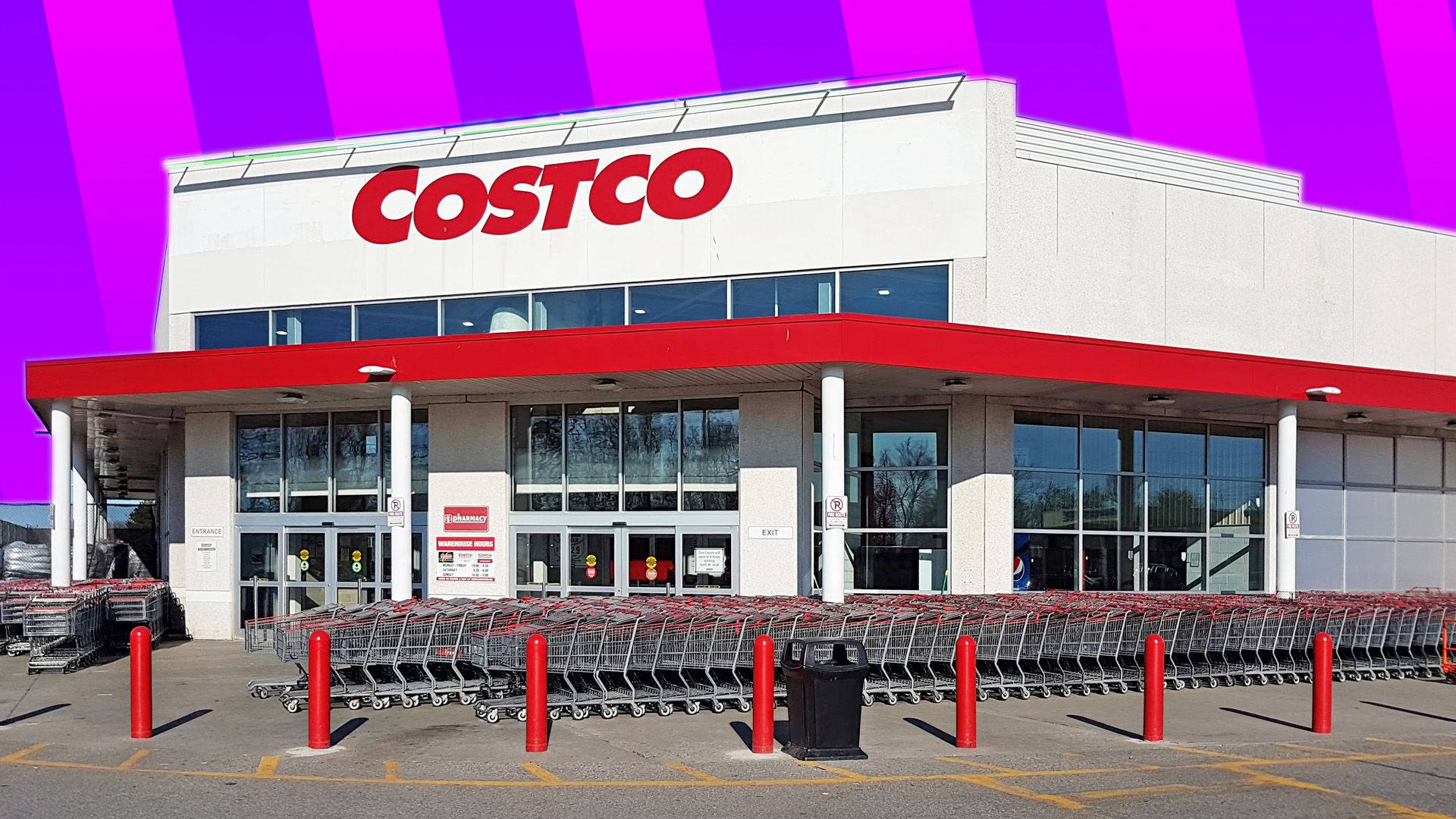
You walk past towering pallets of paper towels, weave through a maze of electronics, and finally end up at the very back of the warehouse. The smell hits you first. Warm, savory, and entirely distinct. There it is under the heat lamps: the $4.99 Costco rotisserie chicken.
If you adjust for inflation since the turn of the century, that bird should cost well over eleven dollars today. Yet, the price stubbornly stays under five bucks. How do they pull this off?
People love to call it magic. It is not magic. It is cold, calculated retail strategy.
The Math Behind the Loss Leader
Costco sells well over one hundred million of these cooked birds every year. Because feed, labor, and energy costs have skyrocketed, the company basically sells every single one of them at a loss. They lose millions on poultry annually.
Executives do not care. Craig Jelinek, the former chief executive, famously recalled a conversation with current boss Ron Vachris where they discussed raising the price. The sentiment from upper management and co-founder Jim Sinegal has always been clear. If you mess with the chicken price, the business model breaks.
Why? Because the rotisserie chicken is the ultimate retail anchor. It is a classic loss leader.
You go in for a cheap dinner protein. You walk out with a cart containing a giant box of berries, a pack of batteries, some clothes you did not plan on buying, and a bulk pack of artisan coffee. Those high-margin items subsidize the cheap bird.
Taking Control of the Supply Chain
Selling millions of items at a loss means you have to shave every fraction of a cent off your production costs. Most grocery chains rely entirely on third-party suppliers, leaving them at the mercy of shifting agricultural markets and feed prices.
Costco decided to do something radical. In 2019, they opened a massive processing facility in Nebraska. That single plant handles roughly two million birds a week, managing everything from processing to packaging to keep expenses under absolute control.
Even with a massive Nebraska facility pumping out millions of chickens, demand outpaces internal production. Costco still buys millions more from external poultry producers. They squeeze suppliers hard, leveraging their massive scale to keep wholesale costs as low as humanly possible.
Why Competitors Cannot Copy the Playbook
Supermarkets across America try to copy the stunt. They feature cheap cooked birds to lure shoppers away from warehouse clubs. Most of them fail to sustain it long-term.
Traditional grocery stores lack the membership model. Costco makes a massive chunk of its actual net income from membership fees alone. That steady stream of recurring revenue acts as a financial cushion. When inflation squeezes gross margins on everyday items, membership fees keep the engine running smoothly.
If a neighborhood supermarket tries to sell loss-leader chickens without membership revenue, their entire balance sheet bleeds out. They have to pass those costs onto other groceries immediately. Costco absorbs the hit because they know you are paying sixty to one hundred twenty dollars a year just to walk through their sliding doors.
The Cultural Phenomenon
There is another angle most corporate analysts miss. The chicken is a badge of honor for the brand.
People post about it on social media constantly. Reddit threads debate the best ways to carve it, make bone broth, or feed a family of four for two days straight. It builds insane customer loyalty. When public inflation makes people angry at grocery stores, Costco looks like the good guy protecting the working household.
As long as shoppers keep loading up their oversized carts with extra impulse buys, the four ninety-nine price tag is safe. Grab yours, head to the checkout, and enjoy the cheap dinner while it lasts.