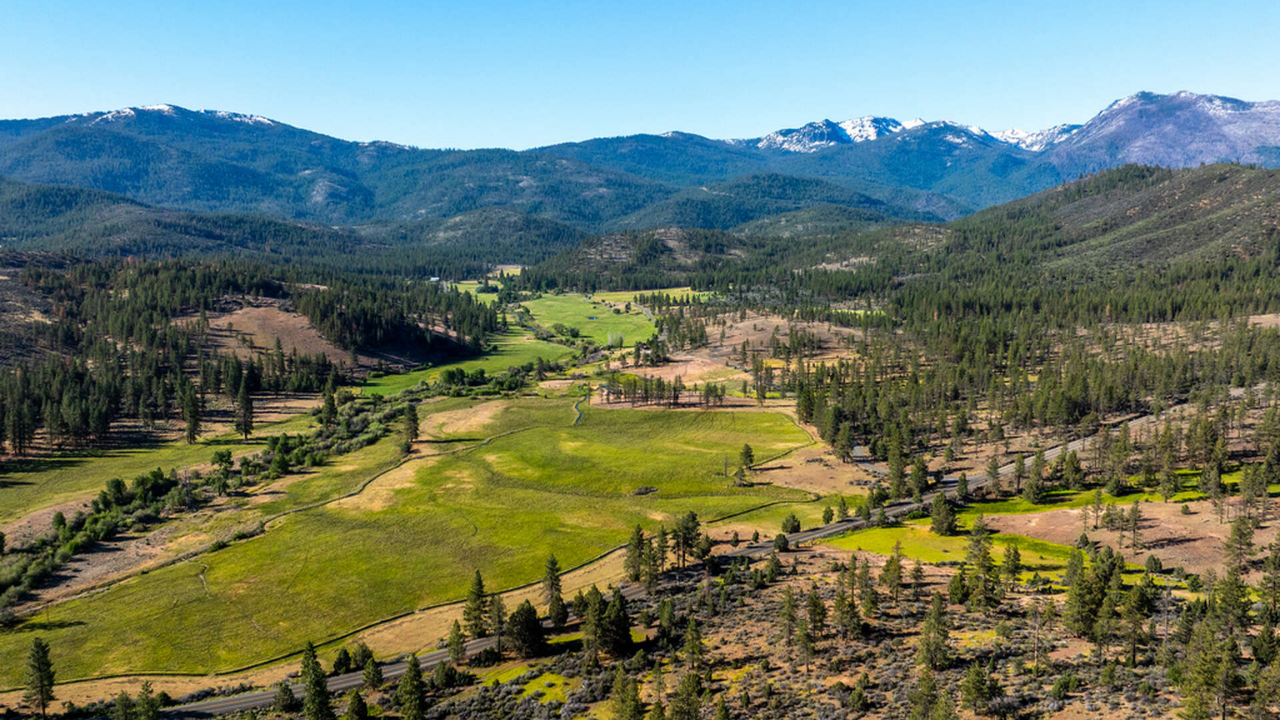
Private ranches don't usually turn into public playgrounds without a fight. Yet, a massive chunk of Northern California history just changed hands for $15.5 million.
The Wildlands Conservancy secured the 14,177-acre AP Ranch in Siskiyou County. Founded back in 1856 by Alexander Parker right after the Gold Rush rush, this property operated continuously as a working livestock station for 170 years. Now, those gates are swinging open for hikers, anglers, and anyone else who wants to wander through the Scott River watershed.
You're looking at a massive preservation win. But what does this purchase actually mean for the local ecosystem, water rights, and the future of historic California lands? Let's break it down.
Breaking Down the AP Ranch Deal
Fifteen and a half million dollars sounds like a lot of cash. In the world of massive land conservation, it's actually a bargain for over 14,000 acres.
The Newton family owned and operated the ranch since 1961, running it as a year-round cow-calf outfit that supported about 500 mother cows. Albert Newton III noted that the ranch served as a deep personal sanctuary and a local gathering place for decades. It features seven homes, six historic timber barns, and cattle corrals equipped with certified scales.
Instead of letting a private buyer carve the property up into luxury estates or industrial agricultural operations, The Wildlands Conservancy stepped in. They plan to combine the AP Ranch with the existing 6,094-acre Beaver Valley Headwaters Preserve. Once the integration wraps up, the public will have free access to a unified wilderness spanning more than 20,000 acres.
Why the Scott River Watershed Matters
Most casual visitors only care about the views of Mount Shasta or the hiking trails. Ecologists look at what lies beneath the surface.
The AP Ranch contains the critical headwaters of the East Fork of the Scott River, which flows freely for eight miles across the property. This river serves as an essential spawning ground for wild Coho salmon, king salmon, and steelhead trout.
Water rights usually cause bitter legal battles in California. This purchase includes extensive adjudicated water rights on the East Fork, its tributaries, and two alpine lakes—Kangaroo Lake and Rock Fence Lake. Holding these water rights means conservationists can protect vital summer flows. When summer temperatures spike and water drops, migratory fish typically struggle to survive. Keeping water in the stream bed changes everything for local aquatic life.
Wildlife Corridors and Rewilding Efforts
You can't protect an area just by drawing a line on a map. Animals don't check property boundaries.
The newly expanded preserve connects directly to thousands of acres of federal forest land, including the Marble Mountain Wilderness and Klamath National Forest. This creates a massive, uninterrupted wildlife corridor.
Native species thrive here. You'll find:
- Roosevelt elk
- Columbia blacktail deer
- Black bears and mountain lions
- Wild turkeys and American goshawks
More importantly, the region sits inside the expanding territory of California's recovering gray wolf packs. Conservation groups also plan to lean heavily on American beavers. These keystone species naturally slow water down, restore floodplains, and help recharge depleted groundwater tables without human interference.
What Public Access Looks Like
If you want to visit, don't pack your bags for a luxury resort. The Wildlands Conservancy operates the largest private preserve system in California and Utah, welcoming over 1.5 million annual visitors without charging a single cent for admission.
Commercial cattle operations will gradually phase out. In their place, the conservancy is building out infrastructure for low-impact recreation.
You can expect:
- Free public access for hiking and wildlife tracking
- Educational trips coordinated with local schools
- Winter sports like cross-country skiing and snowshoeing in the higher elevations
Local tribal and environmental groups—including the Quartz Valley Indian Reservation, the Karuk Tribe, the Lomakatsi Restoration Project, California Trout, and the Scott River Watershed Council—will collaborate on long-term watershed restoration.
Fundraising is already active. The organization is aggressively seeking private donations and public grants to cover the acquisition costs and fund trail construction.
If you want to support the project, check out The Wildlands Conservancy's official campaign pages to contribute or plan your future visit to Siskiyou County.