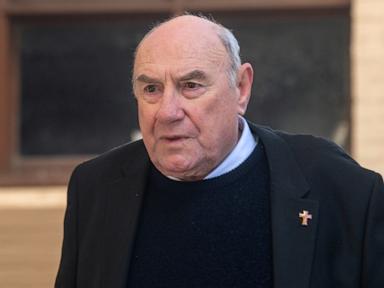
The myth of untouchable clerical power just fractured in a Western Australian courtroom. A jury spent nearly seven hours deliberating before finding 76-year-old Christopher Saunders, the former Catholic Bishop of Broome, guilty of multiple sexual abuse offenses.
This wasn't just another routine legal update. It marks a historic moment for justice in the remote Kimberley region, exposing how institutional authority shielded a predator for years. Let's break down what actually happened, why the case took so long to prosecute, and what this verdict means moving forward.
The Charges and the Conviction
Saunders faced a heavy indictment in the West Australian District Court. At the end of the trial, the jury convicted him of 13 offenses committed against young Aboriginal men between 2008 and 2019.
The breakdown includes:
- One count of sexual penetration without consent
- Twelve unlawful and indecent assault charges
While the jury acquitted him of six other charges—including counts related to a minor under his authority—the guilty verdicts on the core 13 counts cement his legal liability. Saunders, who led the Broome diocese from 1995 until his resignation, now stands as one of the most senior Catholic figures in Australian history to be criminally convicted of abuse.
The Grooming Tactics Used in Broome
Prosecutors didn't just present clinical evidence; they laid bare a calculated pattern of manipulation. Court documents and trial arguments revealed that Saunders exploited his immense social and religious standing.
He targeted vulnerable young Aboriginal men and boys. To gain their trust and lower their guard, he hosted frequent gatherings at church-owned properties, including his residence and a local retreat. Witnesses detailed how these events featured a steady supply of alcohol and cigarettes—dubbed "shirts off" parties by attendees.
By supplying substances to young men facing socio-economic disadvantages, Saunders built an environment ripe for exploitation. He used the moniker "Brother B" with his victims, blending a facade of pastoral care with predatory actions.
Why Justice Took Decades
If these offenses occurred years ago, why is this happening now? That remains the most damning indictment of the institutional safety nets that protected Saunders for decades.
Initial police investigations into Saunders stalled out, closing without laying charges. Local whistleblowers and concerned priests had to push aggressively, eventually leaking a 200-page internal canonical investigation report to force public and political pressure. Only after that leak forced civil authorities to reopen the file did arrests finally happen in 2024.
instytucjonalny failure protected a powerful cleric while leaving victims to fight an uphill battle against the church and the state. The initial police inaction proves that powerful institutions can suppress accountability unless external pressure forces transparency.
What Happens Next
Saunders remains un-sentenced, awaiting a future court date where the judge will determine his prison term. Given his age of 76, any prison sentence carries severe implications, but the primary victory belongs to the survivors who refused to stay silent.
The case also heads to Rome for formal consideration by the Vatican under canon law. Yet, ecclesiastical processes pale in comparison to a secular jury looking at raw evidence and delivering a definitive guilty verdict.
Accountability finally caught up to the diocese of Broome. Watch the systemic fallout closely as other institutions face the reality that secrecy cannot outlast persistent victims.
Former Bishop of Broome convicted of sex crimes
This video provides a direct overview of the historic court verdict and the details surrounding the former bishop's conviction in Western Australia.
http://googleusercontent.com/youtube_content/1