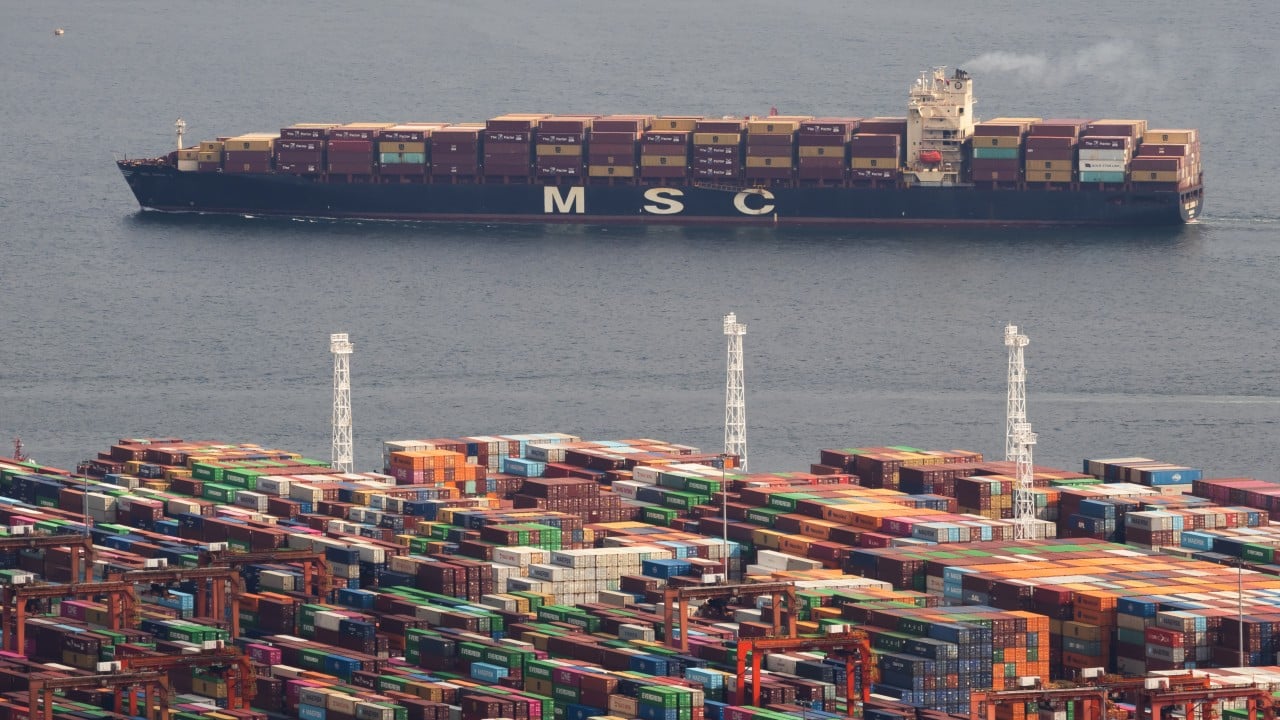
The global economy runs on narrow necks of water. When a single container ship jammed the Suez Canal, billions of dollars in cargo froze overnight. That vulnerability keeps Beijing awake at night. China imports most of its energy and exports its manufacturing dominance across oceans heavily patrolled by the United States Navy. Analysts like Di Dongsheng point out a hard truth: dominating global shipping lanes, canals, and choke points won't happen overnight. It could take Beijing up to thirty years to secure its maritime lifelines against American naval dominance.
The Choke Point Dilemma
Geography is Beijing's biggest enemy on the high seas. Look at any map of world trade. Merchant ships heading from factories in Shenzhen to markets in Europe must squeeze through the Strait of Malacca. That narrow passage is dangerously close to regional military allies of Washington. If tensions turn hot, cutting off that single waterway chokes off oil and raw materials.
Building alternative pipelines through Central Asia or expanding rail links to Europe helps. But land transport handles only a tiny fraction of total trade volume. Heavy goods, bulk commodities, and massive container cargo must travel by water. You cannot replace the sheer carrying capacity of container ships with freight trains.
Beyond Ports and Terminals
Securing trade routes isn't just about building container ships or financing foreign port terminals. Beijing has spent the last decade acquiring stakes in major global ports from Piraeus to the South Pacific. Owning a dock is easy. Defending the sea lane leading up to that dock during a high-stakes naval conflict is entirely different.
The United States maintains a network of overseas military bases and carrier strike groups that can easily interdict commercial traffic. To counter this, China is rapidly expanding its blue-water navy, building aircraft carriers, and establishing logistical support outposts like the one in Djibouti. Yet, projecting power thousands of miles away from home shores requires decades of operational experience. Washington has spent the better part of a century mastering global maritime power projection. Beijing is playing catch-up in a very compressed timeline.
Breaking the Malacca Dilemma
Diversification remains the primary strategy for survival. Beijing pushes hard into Arctic shipping lanes to cut transit times to Europe while avoiding traditional southern chokepoints. Overland corridors through Pakistan and Russia offer partial insulation. However, these overland routes come with massive geopolitical and security headaches of their own.
The coming high-seas struggle won't be decided by a single naval battle. It will be a slow, grinding test of economic endurance, diplomatic alliances, and maritime logistics. If Beijing wants genuine security for its merchant fleet, it has to build a network of protection that spans half the globe. That project will test the limits of Chinese foreign policy for generations.
China's New Strategic Trade Route Changes Everything
This video provides a visual overview of how alternative shipping corridors are reshaping modern geopolitics and international supply chains.
http://googleusercontent.com/youtube_content/1