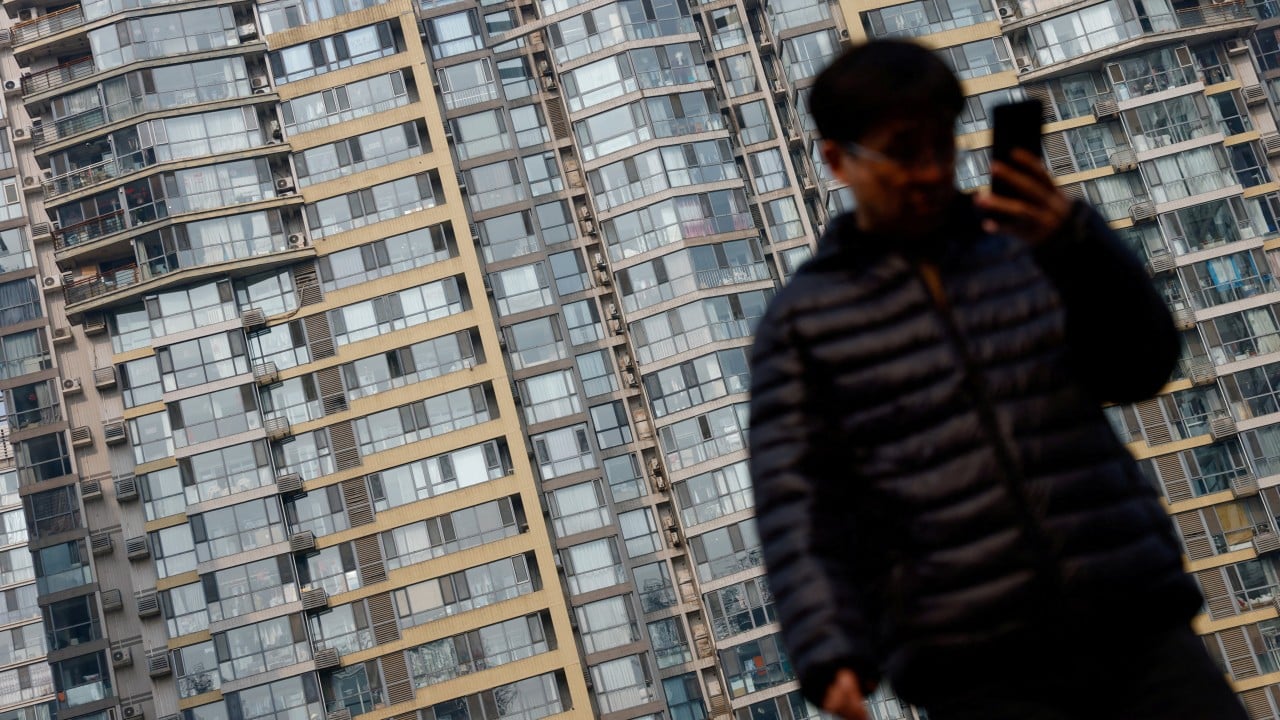
Beijing just threw a massive wrench into its own real estate machine, and property markets are scrambling to catch up. Chinese regulators rolled out a policy package that goes far beyond what Wall Street or local analysts anticipated. The goal? To fix the core engine of the country's multi-year property slump by dismantling the decades-old presale model.
If you've been watching the Chinese economy stall out, you know that sluggish consumer demand stems directly from real estate fears. People stopped buying homes because developers kept going bankrupt before finishing apartment blocks. Trust evaporated. This new package aims to buy that trust back, even if it hurts developers in the short term.
Tearing Down the Presale Blueprint
For decades, developers funded their massive land grabs and hyper-expansion using money from everyday buyers before a single brick was laid. This worked brilliantly during the boom years. When the credit crunch hit, it turned into an absolute disaster of unfinished projects and furious, mortgage-paying citizens trapped with empty air.
The joint notice issued by the Ministry of Housing and Urban-Rural Development, the Ministry of Natural Resources, and the National Financial Regulatory Administration changes the rules of the game. Local governments must now prioritize completed-home sales. Where presales are allowed to happen, individual buildings have to be completely topped out before a single unit hits the market.
Down payments and mortgage funds no longer go straight into a developer's general pool. They sit in strictly supervised accounts. You get the home first, then you repay the loan. It sounds obvious, but it is a revolutionary shift for China's property market.
Financing Squeezes and Longer Mortgages
The package didn't stop at retail sales. Regulators targeted the credit lines keeping fragile developers afloat. Development loans are now capped strictly at five years for presale projects and seven years for completed or commercial properties. Authorities also introduced a lead-bank system, designating a single financial institution to oversee and coordinate funding for each project to prevent funds from leaking into speculative land hoarding.
To entice hesitant buyers back into showrooms, the central bank pushed max mortgage terms from 30 years out to 40 years. Local officials have instructions to slash administrative approval times and set up a certificate-on-handover system so buyers get their actual property ownership papers the exact day they move in.
Pinpoint Asset Management president Zhang Zhiwei pointed out the obvious reality to investors: these steps are much stronger than anyone predicted. Domestic demand has cratered because of this exact sector, and Beijing finally decided to tackle the root infection rather than just treating the symptoms.
The Immediate Market Fallout and Real Risks
Naturally, stock prices reacted instantly. State-backed developers took a sharp hit in Hong Kong trading as markets digested the tighter financing rules and the painful transition away from rapid cash turnover. Transitioning away from presales means developers need a lot more working capital upfront. Weaker players will fold.
Yet, long-term investors see the necessity. Without restored confidence, the housing market would remain a permanent drag on growth. Some analysts warn that lower monthly payments or extended mortgages won't instantly trigger a massive buying spree while overall home prices remain soft. Affordability is still a massive hurdle for lower-income households.
Beijing is walking a tightrope. Unwinding a debt-fueled growth model without triggering a wider financial panic is brutally difficult. Pain today is the explicit price being paid for stability tomorrow. Watch how strictly local governments enforce the new escrow rules. That will tell you whether this policy actually reshapes the economy or just sits on paper.