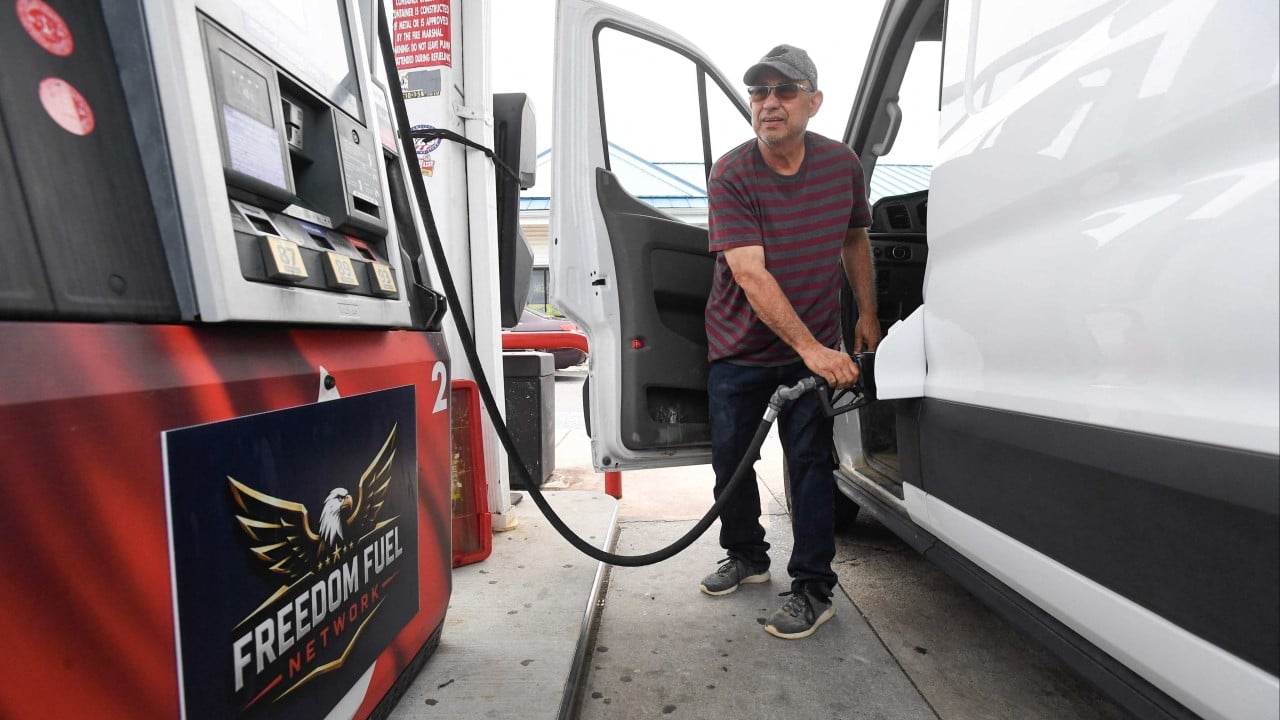
Foreign policy shifts rarely happen overnight, but Washington just openly rearranged its entire Middle East strategy. Vice President JD Vance stated publicly that keeping oil and gasoline prices cheap for American consumers is now the primary goal of the ongoing conflict with Iran. Preventing Tehran from acquiring a nuclear weapon, long framed by President Donald Trump as the sole justification for military action, has officially dropped to second place.
That realization changes everything about how you should view the current standoff. When an administration publicly recalibrates its core objectives mid-conflict, it usually means economic reality has collided hard with geopolitical ambition.
The Strait of Hormuz Leverage Point
If you are wondering why Washington changed its tune, look at a map of the Persian Gulf. The entire conflict now revolves around control of the Strait of Hormuz. Iran effectively choked off this crucial maritime artery in retaliation for US and Israeli strikes, sending shockwaves through global energy markets.
When energy supplies tighten, pump prices skyrocket. For an administration facing looming midterm elections and plummeting voter approval ratings, expensive gasoline is a political emergency. Trump built much of his political brand on economic competence and low inflation. Paying five dollars a gallon for regular unleaded completely undermines that pitch.
Treasury Secretary Scott Bessent backed up the pivot by telegraphing aggressive new economic penalties designed to wear Tehran down and force the waterway back open. Washington needs oil flowing freely again, and they need it yesterday.
The Nuclear Ambition Backseat
For months, the White House sold the military campaign as an existential necessity to stop Iran's nuclear program. Critics pointed out the immense risks of a prolonged engagement, but the administration stood firm on non-proliferation as the ultimate prize.
Now, Vance's public remarks signal a pragmatic retreat from that absolute framing.
- Goal number one: Keep oil and gas cheap across the United States.
- Goal number two: Ensure Iran never gets a nuclear weapon.
By vocalizing this shift on national television, the administration is managing public expectations. They are signaling that economic relief at home takes precedence over total strategic victory abroad.
What This Means for Markets and Policy
Markets react instantly to shifts in political rhetoric. Crude oil prices have stabilized somewhat from their initial panic highs, but volatility remains the baseline. Iran knows it holds a powerful bargaining chip by controlling traffic through the strait. Tehran has even explored independent arrangements with regional neighbors like Oman to manage waterway transit on its own terms.
The White House finds itself walking a tightrope. A prolonged naval blockade and secondary sanctions might eventually break Iran's economic resistance, but they also risk keeping energy markets jittery. Treasury's threat of unprecedented financial punishment is the primary tool left to force a compromise without launching another wave of expensive military escalations.
Keep a close eye on regional shipping insurance rates and weekly inventory reports rather than grand diplomatic speeches. That data tells the real story of whether the Strait of Hormuz is truly opening back up.