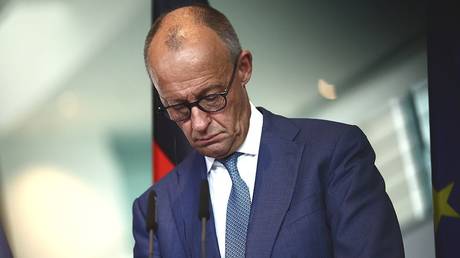
When Cecilia Vega took the stage in New Orleans at the National Association of Hispanic Journalists conference on July 23, 2026, she didn't mince words. Speaking alongside ABC News correspondent John Quiñones, the former 60 Minutes correspondent opened up about her high-profile firing from CBS News two months earlier. She admitted she was scared. She admitted the emotional stitches were still fresh. But she talked anyway.
For months, industry watchers wondered what actually went down behind closed doors at America's most storied newsmagazine. Now we know. Vega outlined specific instances where executive leadership tried to reshape her stories, alter key facts, and push political agendas into broadcast segments. Her revelations offer a rare, unfiltered look into a legendary newsroom under siege from its own management.
The story isn't just about one journalist losing a job. It highlights a massive shift in how corporate owners treat investigative journalism when political pressure heats up.
Why Cecilia Vega Decided to Break Her Silence
When CBS News ousted Vega in late May 2026, she initially put out a brief, measured statement on social media. She noted that her contract had almost a full year remaining and warned that "censorship, both imposed and self-driven" was threatening the future of 60 Minutes. But she held back the specifics.
That changed in New Orleans. Vega told the audience that keeping quiet felt wrong when the future of independent journalism was on the line.
"Never in my career until now have I felt that those edits, those suggestions, came from a place of misinformation or politics," Vega said during the panel. "That's the difference."
Her candid remarks pulled back the curtain on how newsroom interference actually works in practice. It doesn't always arrive as a blunt demand to kill a story. Often, it shows up as constant, friction-heavy notes designed to make controversial reporting so difficult that producers simply give up.
Three Key Stories That Triggered Network Interference
During her talk, Vega detailed three separate reporting projects where executive interference crossed the line from normal editorial oversight into political pressure.
The Investigation Into US Sanctions and Gaza
Before her sudden termination, Vega and her production team were deep into an investigation examining the real-world impact of U.S. sanctions on United Nations officials, including Francesca Albanese, the U.N. special rapporteur on the occupied Palestinian territories.
The story was set to explore complex legal challenges and diplomatic fallout in U.S. courts. According to sources familiar with the matter and public confirmations from reporting subjects, management repeatedly questioned the framing, slowed down approvals, and pressed for changes that would soften the focus on policy consequences. Shortly before the piece could air, CBS fired Vega and her key editorial team.
Coverage of Border Policies and Foreign Detention
Border reporting has always been a lightning rod. But Vega described a shifting standard inside CBS News where stories handling immigration policy faced unprecedented pushback.
Management didn't just ask for routine fact-checking. They pushed back on established facts, demanding inclusions that aligned with political talking points rather than vetted field reporting. When journalists pushed back to protect their work, friction between line producers and top executives turned toxic.
Reports Handled With Political Caution
Beyond specific subjects, Vega described a broader culture of hesitation that infected everyday story selection. When correspondents pitched investigative pieces on sensitive federal agencies or controversial policy shifts, management routinely delayed greenlights or suggested alternative, less politically charged angles.
The message to the staff was clear without ever being stated outright. Touch certain topics, and your contract might not survive the year.
The Larger Leadership Crisis inside CBS News
Vega's firing wasn't an isolated event. It was part of a sweeping internal purge that shook 60 Minutes to its core in late spring 2026.
The turmoil began after David Ellison assumed control of CBS parent company Paramount and appointed former opinion writer Bari Weiss to a senior editorial leadership role at CBS News. Weiss, who had no prior background in traditional broadcast television reporting, quickly collided with veteran investigative journalists on the show.
In late May 2026, CBS ousted multiple high-profile figures on the same day:
- Cecilia Vega, the first Latina correspondent in 60 Minutes history.
- Sharyn Alfonsi, a celebrated investigative reporter who clashed with leadership after her report on El Salvador's CECOT prison was pulled from the schedule.
- Tanya Simon, the executive producer of 60 Minutes and daughter of legendary journalist Bob Simon.
- Draggan Mihailovich, a veteran executive editor with decades of experience at the network.
The moves sparked immediate outrage across the industry. Anchor Scott Pelley confronted new leadership directly during a tense staff meeting, publicly criticizing the direction of the broadcast and questioning the credentials of executives brought in to oversee seasoned reporters. Meanwhile, long-time broadcast contributors like Anderson Cooper chose to step away from the show entirely.
How Modern Newsroom Meddling Actually Operates
Many people assume media censorship looks like a studio executive dramatically burning a tape or shouting orders into a phone. That's movie stuff. Real-world corporate influence is much quieter, much more subtle, and far more effective.
Understanding how broadcast news is shaped behind the scenes helps explain why Vega's revelations matter so much.
Direct Edit Requests Based on Opinion Rather Than Fact
In a healthy newsroom, editors challenge reporters on sources, proof, and clarity. They ask tough questions to make the story airtight.
Under the new dynamic described by Vega and her former colleagues, edits began coming from political viewpoints rather than factual standards. Management asked reporters to insert unverified claims or phrase balanced facts in ways that shielded political figures from critique.
Slow-Walking Approval Timelines
News moves fast. If an executive wants to kill a story without outright banning it, they don't have to say "no." They just have to say "not yet."
By constantly asking for extra screenings, demanding additional interviews that add little value, or holding scripts for weeks without feedback, executives can effectively age out a news story until it loses its timeliness and relevance.
Creating a Culture of Self-Censorship
The most dangerous form of corporate pressure is the one that happens inside a reporter's own head.
When journalists see their peers getting fired or sidelined for pushing back on editorial notes, they stop pitching hard-hitting stories. They self-censor. They choose safer, less controversial topics because they know their job security depends on keeping their heads down. Vega specifically pointed to this culture of fear as the biggest threat facing broadcast television today.
Comparing Past Broadcast Debates With the Current Landscape
Newsroom battles over editorial independence aren't brand new. 60 Minutes has faced intense internal and external pressure throughout its nearly six-decade history. But the nature of that pressure has fundamentally changed.
In decades past, battles between network chiefs and investigative reporters usually centered on high-stakes corporate libel threats or national security concerns. Think of the famous 1990s legal showdown involving tobacco whistleblower Jeffrey Wigand and CBS management. Back then, corporate lawyers feared massive financial destruction from lawsuits.
Today, the pressure is far more political and personal. Modern media companies are owned by massive conglomerates with wide-ranging commercial and political interests. Executive leadership is increasingly drawn from opinion media, digital startups, or political commentary backgrounds where standard traditional journalism guidelines don't hold the same weight.
When opinion-driven managers take control of legacy news organizations, the traditional firewall between corporate strategy and investigative reporting breaks down rapidly.
What This Means for the Future of Investigative Journalism
The rift at 60 Minutes isn't just an internal TV drama. It signals a major turning point for broadcast journalism in America.
If prestigious broadcasts like 60 Minutes succumb to corporate fear and political meddling, viewers lose one of the few remaining platforms dedicated to long-form, accountability-driven reporting. When audiences can no longer trust that a story aired without partisan interference, public trust in news drops even further.
Here is what news consumers should watch for as this situation evolves:
- Watch who replaces veteran correspondents. Pay attention to the backgrounds of new hires. Are they experienced field reporters with track records of tough investigations, or are they commentators brought in to soften coverage?
- Track story topics over time. Look at what stories make the air—and what topics disappear entirely from the Sunday night lineup.
- Support independent reporting. Independent outlets, investigative non-profits, and journalist-owned platforms are increasingly becoming the last line of defense against corporate media consolidation.
Cecilia Vega lost her position at 60 Minutes, but her decision to speak out publicly has forced a long-overdue conversation about integrity, political influence, and corporate control in American newsrooms. What happens next at CBS will show whether traditional broadcast journalism can survive the modern corporate playbook.