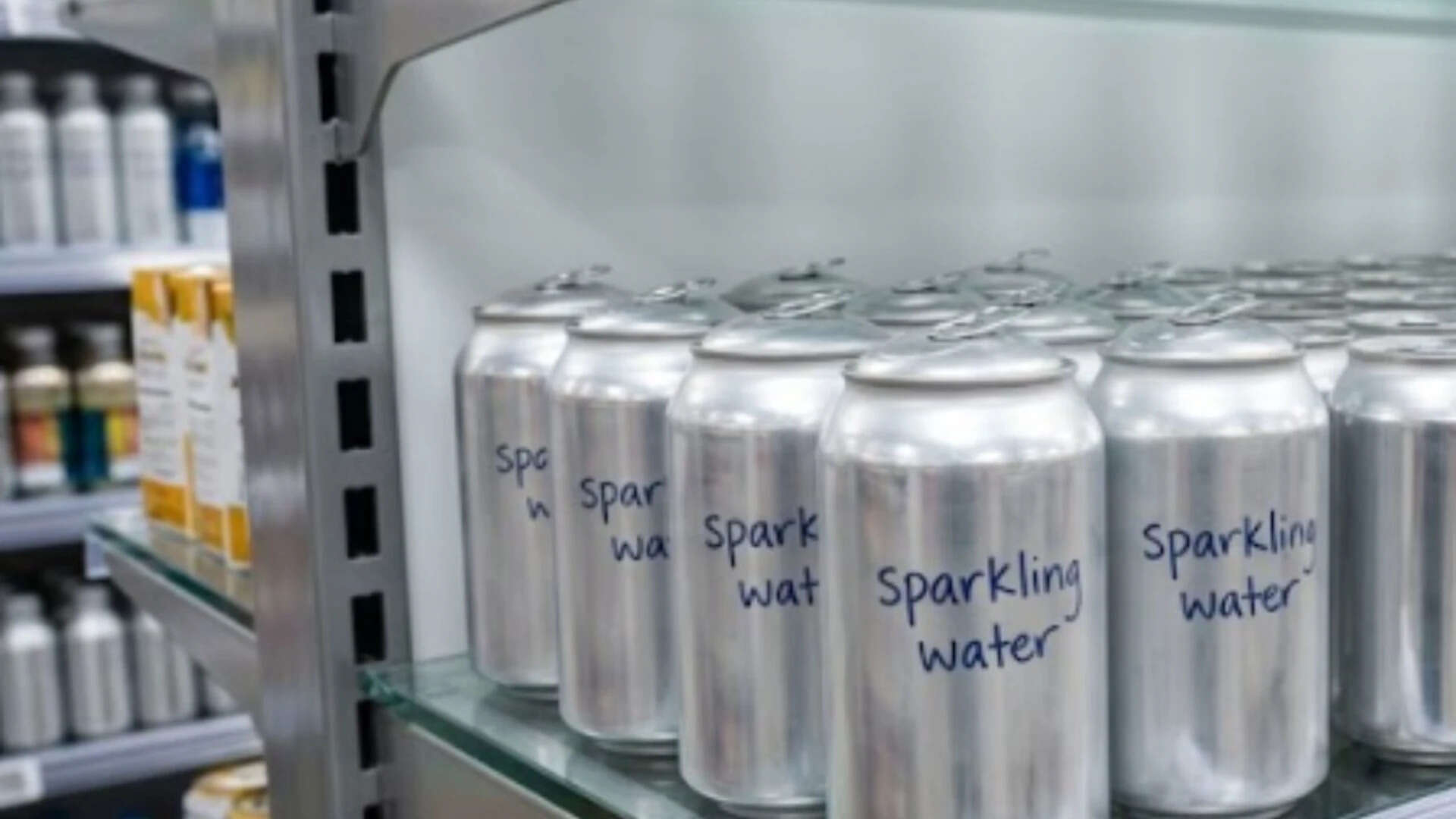
If you recently bought canned sparkling spring water in Alberta, check your pantry right now. The Canadian Food Inspection Agency issued an official recall for Briine brand Pacific Tide Sparkling Spring Water after 355ml cans started bulging on store shelves and in home pantries.
A swollen beverage can isn't just an ugly packaging defect. It's a clear warning sign from inside the aluminum. When sealed metal containers begin to expand, gas pressure is building up where it doesn't belong.
Here is everything you need to know about the Briine Pacific Tide sparkling water recall in Alberta, why cans swell up, and what you should do immediately if you have these cans sitting in your kitchen.
The Details Behind the Alberta Sparkling Water Recall
The Canadian Food Inspection Agency flagged Briine brand Pacific Tide Sparkling Spring Water following reports of visibly bulging cans. The recall specifically targets 355ml single cans distributed across Alberta retail locations.
You can verify whether your store purchase is part of the recalled batch by checking the product details on the container. Look for the specific UPC code 7 26529 99111 6 printed near the barcode. The affected cans feature two specific best-before date codes: 01AL2028 and 02AL2028.
The recalling company, Briine Ltd., along with Canadian health authorities, classified this incident as a Class 3 recall under notification RA-82391. Government inspectors categorized the primary issue as non-harmful microbial contamination related to product quality and spoilage.
While health officials indicate this particular microbial strain isn't considered an immediate toxic threat to humans, authorities issued a firm warning to the public. Do not drink, sell, serve, or distribute the affected product under any circumstances.
What Causes Sealed Beverage Cans to Bulge
Why does a standard 355ml aluminum can turn into a tight, bloated cylinder? The answer almost always comes down to biology and pressure dynamics.
When microscopic organisms enter a sealed production line, they find a dark, oxygen-starved environment. In many cases, harmless spoilage bacteria or wild yeasts feed on minute organic traces within spring water or flavor additives. As these microorganisms feed, they generate metabolic byproducts—most notably carbon dioxide gas.
Because aluminum cans are sealed airtight to retain carbonation, the trapped carbon dioxide has nowhere to go. Gas molecules crowd together inside the tight headspace. Pressure climbs rapidly. Eventually, the flat top and bottom domes of the aluminum can pop outward to accommodate the internal force.
Microbial growth is the primary driver of container bloating, but other factors occasionally play a role. Rapid temperature shifts or extreme altitude changes during transport can cause gas volume inside sealed containers to expand. Frozen liquids expanding into solid ice can also deform aluminum walls. However, when official recall notices cite non-harmful microbial contamination, biological gas production is the culprit.
Why You Should Never Drink From a Swollen Can
It might be tempting to crack open a bloated can, assuming the liquid inside is just extra fizzy water. That is a mistake you want to avoid.
Even when health agencies label contamination as non-harmful, consuming spoiled liquid carries real health risks. Spoilage microorganisms break down the natural purity of spring water, leaving behind unpleasant flavors, sour odors, and chemical byproducts. Drinking spoiled fluids can easily trigger stomach upset, nausea, cramps, and diarrhea.
There is a bigger safety concern. Consumers cannot tell the difference between benign spoilage bacteria and dangerous pathogens just by looking at a bloated can.
In low-acid canned products, container swelling can sometimes signal the presence of Clostridium botulinum. This bacterium thrives in oxygen-free environments and produces botulinum toxin, one of the most potent neurotoxins known to science. Ingesting even micro-gram quantities of botulinum toxin causes botulism, a severe neurological illness characterized by facial weakness, blurred vision, difficulty swallowing, and progressive muscle paralysis.
Food safety specialists follow a simple, unyielding rule when handling deformed packaging. If a can is bulging, puffed, or leaking, throw it out immediately. Testing the contents yourself is never worth the health risk.
How to Handle Recalled Water Cans Safely
Finding recalled beverages in your home requires careful handling. Taking the right steps protects your household and ensures proper disposal.
First, inspect your entire stock. Check every 355ml can of Briine Pacific Tide Sparkling Spring Water for the UPC code 7 26529 99111 6 and date codes 01AL2028 or 02AL2028.
Second, handle bloated cans gently. High internal pressure makes aluminum cans unstable. Dropping or puncturing a heavily pressurized can can cause it to burst, spraying spoiled liquid and sharp metal fragments across the room. Do not attempt to open or vent swollen cans.
Third, return or dispose of the product. You can return affected cans to the retail store where you bought them for a full refund. Most grocery stores in Alberta accept recalled items without hassle. If you prefer to throw them away at home, place the intact cans inside a heavy-duty plastic trash bag, seal it tightly, and discard it in your outdoor waste bin.
Fourth, sanitize your storage area. If any liquid leaked from bulging cans onto your pantry shelves, wash the area thoroughly with warm water and soap, followed by a mild kitchen disinfectant.
If you suspect you drank water from a recalled lot and developed symptoms like nausea, vomiting, or persistent stomach discomfort, contact your healthcare provider or Alberta Health Services right away.
Keep track of public health alerts directly through the Canadian Food Inspection Agency recall directory or sign up for official safety notifications online.