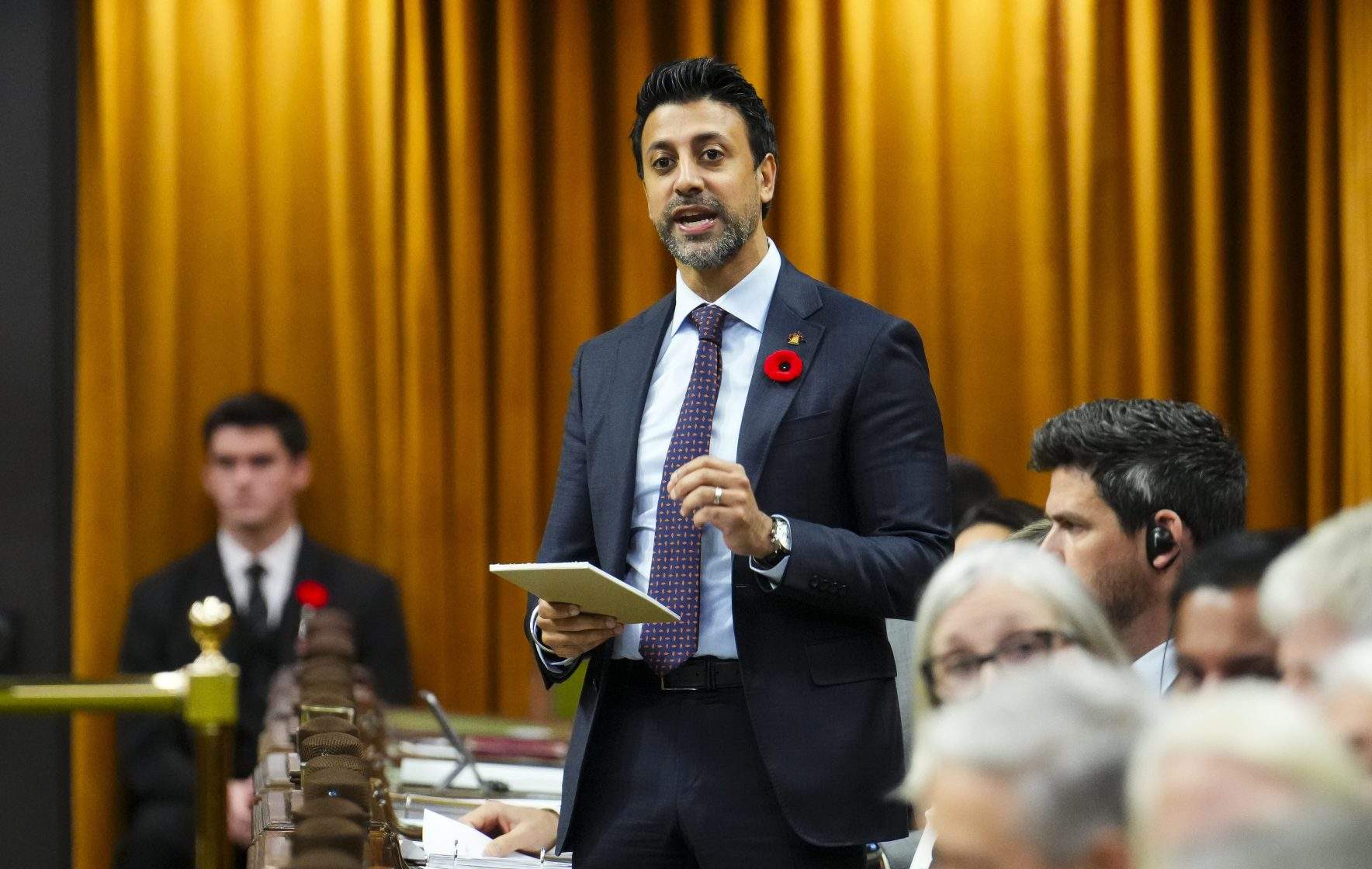
Canadian International Trade Minister Maninder Sidhu and Ecuadorian Foreign Trade Minister Luis Alberto Jaramillo signed a massive bilateral free trade agreement in Ottawa. On paper, it looks like a standard win-win setup for international commerce. Bilateral trade between both nations reached nearly $2.2 billion in 2025, and officials claim this new framework will clear tariffs on roughly 99.6% of Ecuador's export goods.
The reality on the ground is far more messy.
While business leaders in Quito and trade officials in Ottawa celebrate expanded access for everything from Ecuadorian bananas to Canadian capital equipment, human rights advocates, Indigenous groups, and environmental organizations are ringing alarm bells. Behind the polished rhetoric of tariff reductions sits a intense conflict over corporate accountability, mining expansion, and environmental governance.
What Ottawa and Quito Are Selling
Trade negotiators love simple numbers. The official pitch for the Canada-Ecuador agreement relies heavily on straightforward economics. Ecuador gets tariff-free access for over 600 key export products into a high-income market of nearly 40 million consumers with a per-capita GDP around $53,000.
For Ecuadorian exporters, this levels the playing field with regional neighbors Colombia and Peru, both of which already enjoy duty-free privileges with Canada.
Key agricultural sectors stand to gain immediate tariff relief:
- Bananas, cocoa, and chocolate products
- Farm-raised shrimp and canned tuna
- Fresh-cut flowers and tropical fruits
- Broccoli, asparagus, quinoa, and frozen vegetables
At the same time, Ecuador built in safeguards for 227 sensitive agricultural items—including milk, corn, rice, sugar, and poultry—to shield vulnerable domestic smallholders from a sudden flood of subsidized imports.
For Canada, the deal secures preferential entry for industrial equipment, auto parts, ceramics, and agricultural exports like wheat and pulse crops. But anyone who pays attention to Latin American political economy knows that tariff reduction on agricultural produce is only half the story.
The real driver behind Canada's diplomatic push in Quito is mining.
The Mining Factor Nobody Wants to Lead With
Canadian foreign direct investment in Ecuador has surged past $4.4 billion in recent years. A massive chunk of that capital flows directly into mineral extraction. Ecuador holds immense, largely untapped reserves of copper, gold, and silver—the exact critical minerals western economies desperately need for energy transition technology.
Canadian extraction firms hold major stakes in landmark Ecuadorian mining projects.
Proponents argue that formalized trade rules give Canadian miners the legal stability required to sink billions of dollars into high-risk, long-term extraction operations. Clear rules reduce political risk, stream-line supply chains, and guarantee equal treatment under local law.
Critics see a very different picture.
Organizations like MiningWatch Canada and human rights defenders across South America point out that expanding mining concessions under a trade umbrella risks escalating localized conflicts. Mining projects in regions like Azuay and Imbabura have triggered fierce opposition from local residents worried about water contamination, deforestation, and community displacement.
The ISDS Controversy and Constitutional Clashes
The biggest flashpoint in the treaty isn't tariffs. It's investor protection mechanisms.
Investor-State Dispute Settlement (ISDS) clauses allow foreign corporations to sue host governments in private international tribunals if local regulations, environmental laws, or policy shifts harm expected corporate profits.
That creates a massive legal problem in Ecuador.
Ecuadorians voted in a constitutional referendum to explicitly ban ISDS provisions in international treaties. Civil society groups argue that including investor protection mechanisms directly violates the nation's sovereign law and democratic will.
When foreign investors hold the power to sue governments for millions—or billions—over environmental protection rulings, local regulators tend to back down. This phenomenon, known as regulatory chill, makes governments hesitate to enforce strict clean water or land protection laws out of fear of costly lawsuits in international courts.
Indigenous Oppositions and Consultative Failures
Ecuador’s major Indigenous federation, CONAIE, has consistently rejected the pact. Indigenous leaders contend that the agreement was negotiated without genuine, free, prior, and informed consent from the communities directly affected by mining and agricultural expansion.
In many regions across Ecuador, Indigenous territories overlap directly with proposed mining concessions and agricultural development zones.
Opponents highlight several key risks:
- Increased pressure on high-altitude ecosystems like the páramos, which serve as vital freshwater sources
- Inadequate mechanisms to hold Canadian parent corporations accountable in Canadian courts for human rights abuses abroad
- Potential displacement of small-scale subsistence farmers despite designated agricultural exceptions
While the official treaty text includes dedicated chapters on labor protections, environmental standards, and Indigenous participation, critics argue these chapters lack enforceable punitive teeth. If a company violates labor guidelines, enforcement options are often slow, bureaucratic, and ineffective compared to the hard legal teeth given to investor protection clauses.
Looking Beyond the Ottawa Photo Op
Signing the treaty in Ottawa marks the end of negotiations, but it doesn't mean the deal takes effect tomorrow. Both nations must move through domestic ratification procedures, where the political friction will likely intensify.
In Ottawa, opposition lawmakers and environmental coalitions will keep pushing for stricter corporate accountability standards for Canadian firms operating abroad. In Quito, legal challenges regarding the constitutionality of the agreement's investment provisions are almost guaranteed to land before the Constitutional Court.
If you are following international trade or tracking Latin American investment, ignore the press release fluff. Pay attention to how the legal challenges unfold, watch how local communities respond to new extraction concessions, and monitor whether the promised protections for sensitive local sectors actually hold up under economic pressure.
To track this issue effectively, keep an eye on three key indicators:
- Follow the legal rulings from Ecuador's Constitutional Court regarding investor protection clauses.
- Monitor upcoming regulatory updates from Global Affairs Canada regarding corporate accountability mechanisms for overseas mining operations.
- Watch regional export volume reports from groups like the Ecuadorian Federation of Exporters (Fedexpor) to see which agricultural sectors actually capture real gains once tariff schedules reset.