Behind locked gates and high concrete walls, a quiet constitutional crisis has festered for decades. The United States Department of Justice dropped a hammer on the California Department of Corrections and Rehabilitation, exposing a horrifying reality. California's two primary women's prisons—the Central California Women's Facility in Chowchilla and the California Institution for Women in Chino—have systematically failed to protect incarcerated women from predatory guards.
Federal investigators didn't just find a few bad apples. They uncovered an unbroken, decades-long pattern of staff sexual misconduct, complete institutional indifference, and reporting mechanisms designed to protect abusers instead of survivors. If you've been following civil rights news, this feels painfully familiar. But the sheer scale of the breakdown demands a much closer look at how the system protects itself at the expense of human lives.
What the Justice Department Investigation Uncovered
The federal probe, spanning multiple years and building on site visits, investigative logs, and thousands of pages of records, lays bare a system built on broken promises. Investigators evaluated conditions at Chowchilla and Chino and concluded that the state violated the Eighth and Fourteenth Amendments. Those amendments guarantee protection against cruel and unusual punishment and ensure equal protection under the law.
The numbers tell a grim story. Between 2023 and mid-2025 alone, records documented more than 375 sexual abuse allegations involving staff across these facilities. Over 320 private lawsuits have been filed against the corrections department.
Take the case of former correctional officer Gregory Rodriguez. He was convicted on 62 criminal counts involving horrific conduct against more than 65 victims over roughly a decade, landing him a 224-year prison sentence. Yet, guards like Rodriguez operated with impunity because the oversight structure was fundamentally rigged. In some instances, staff members assigned to investigate sexual misconduct allegations were themselves criminally implicated. For example, a sergeant tasked with investigating staff abuse was later sentenced to 15 years in federal prison after pleading guilty to receiving child sexual abuse material on the job.
The Broken Reporting Trap
Why didn't the victims speak up sooner? That is the question outsiders always ask. The answer exposes the cruelest trick of the California prison system.
Incarcerated women were directed to report misconduct through an online system that lacked basic confidentiality. Shockingly, the accused officers and other staff members had direct access to these submissions. Survivors knew instantly that hitting submit on a complaint meant painting a target on their own backs.
Retaliation wasn't just a risk; it was an expectation. When a reporting channel actively exposes the complainant to the perpetrator, it stops being a safety mechanism and turns into an intimidation tactic. Compounding this failure, employees with sustained allegations of sexual misconduct were frequently allowed to quietly resign or retire with full benefits, bypassing any real accountability.
The Federal Countdown and Demands for Reform
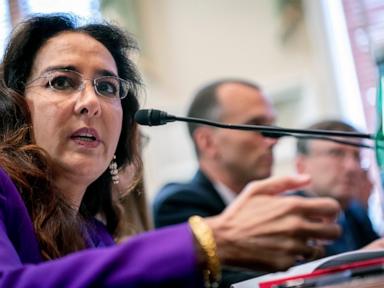
The DOJ has officially given California a strict 49-day window to fix these catastrophic failures or face federal civil litigation. Assistant Attorney General for Civil Rights Harmeet Dhillon and First Assistant U.S. Attorney Bill Essayli laid out non-negotiable demands during a joint news conference in Los Angeles:
- Expanded Surveillance: Massive increases in camera coverage, including body-worn cameras for correctional staff to eliminate blind spots where assaults occur.
- True Confidentiality: Independent reporting channels that keep complaints entirely out of the hands of local facility staff.
- Overhauled Investigations: Stripping compromised internal investigators of their duties and establishing rigorous, external protocols for handling abuse claims.
- Stronger Protections: Ironclad safeguards against retaliation for any incarcerated person who steps forward to report misconduct.
State officials have responded by claiming a zero-tolerance policy under the federal Prison Rape Elimination Act. But paper policies mean nothing when the culture on the cellblock treats accountability as optional.
What Needs to Happen Next
A 49-day deadline is just a starting point. Real culture change inside California's penal institutions requires continuous federal oversight, independent prosecutors who answer to someone other than the prison guard union, and zero tolerance for supervisors who look the other way.
Until the state strips power away from the institutional networks that cover up these crimes, women behind bars will remain entirely unprotected. The spotlight is on Sacramento now. The excuses have run out.