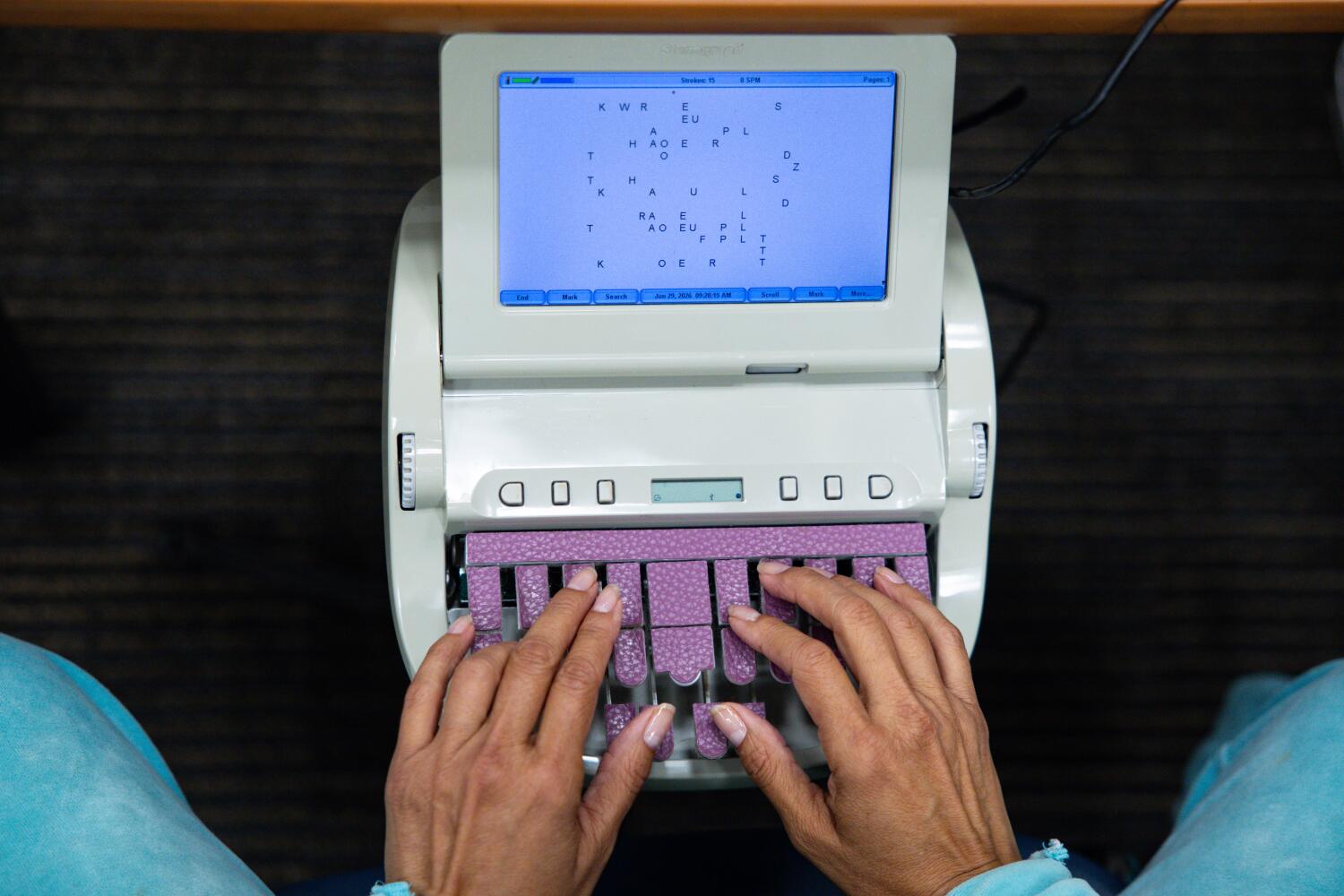
If you walk into a California civil or family court room today, you might notice an invisible barrier dividing those who can afford justice and those who cannot. For years, a crippling shortage of certified shorthand reporters meant that if you were poor, you likely walked away from your hearing with no official transcript. Without a transcript, an appeal is basically dead on arrival. You cannot challenge a judge's legal error if there is no official record of what was said.
That broken system just hit a wall. In a unanimous ruling written by Chief Justice Patricia Guerrero, the California Supreme Court stepped in to fix a massive constitutional blind spot. The court ruled that trial courts must provide low-income civil litigants with an official verbatim record, using electronic recording when a court reporter is simply unavailable.
The Reality Behind a Million Unrecorded Hearings
Let us look at the actual scale of the problem. A 2024 report from the California Access to Justice Commission dropped a staggering statistic: more than a million hearings and trials in unlimited civil, family, and probate cases happened in a single year without any means of creating an official transcript.
Think about what that means in practice. If you are fighting a custody battle or facing eviction and lack the cash to hire a private reporter out of pocket, you are entirely at the mercy of the room's immediate outcome. If no state-employed court reporter is assigned to your department—which happens constantly due to a severe, chronic staffing shortage—you face an impossible choice. You can postpone your day in court, or you can go forward knowing you will never have the record required to appeal an unfair decision.
As the high court noted, that choice is coercive. Indigent litigants routinely went forward without a record because they could not afford endless delays.
Why the Old Rules Failed Low Income Litigants
California law traditionally placed strict limits on using electronic recording as the official record in civil proceedings under Section 69957. Lawmakers and court reporter unions long argued that digital audio lacks the precision of a trained human shorthand reporter.
Back in 2018, the state high court tried to patch things up in Jameson v. Desta, ruling that courts stopping routine shorthand coverage must still supply a reporter to indigent litigants upon request. But reality didn't cooperate. Courts couldn't supply reporters they didn't have. The promise of equal access became completely illusory.
Chief Justice Guerrero cut through the bureaucratic noise with a blunt truth. Writing for the unanimous bench, she stated that a verbatim record created by electronic recording is objectively better than having no record at all.
What This Ruling Changes on the Ground
The decision, sparked by a legal challenge from groups like the Family Violence Appellate Project and Bay Area Legal Aid, grants a writ of mandate targeting superior courts in places like Los Angeles, Santa Clara, Contra Costa, and San Diego.
Here is what you need to know if you are navigating the civil court system under this new legal reality:
- In Forma Pauperis Protections Apply: If the court waives your fees because you are low income, you now possess a constitutional wedge to demand an official recording method when shorthand reporters vanish.
- No More Excuses: Lower courts can no longer hide behind state statute prohibitions against electronic recording to deny indigent litigants an appealable track.
- Audio Beats Silence: Courts have zero discretion left to leave vulnerable people entirely unrecorded just because the judicial branch failed to hire enough human reporters.
The chronic shortage of court reporters won't vanish overnight. Training certified shorthand professionals takes years, and courtrooms across the state remain understaffed. But electronic equipment is cheap, reliable, and universally available.
By prioritizing actual justice over rigid adherence to traditional stenography, the state supreme court ensured that being poor in California no longer strips you of your right to an appeal.