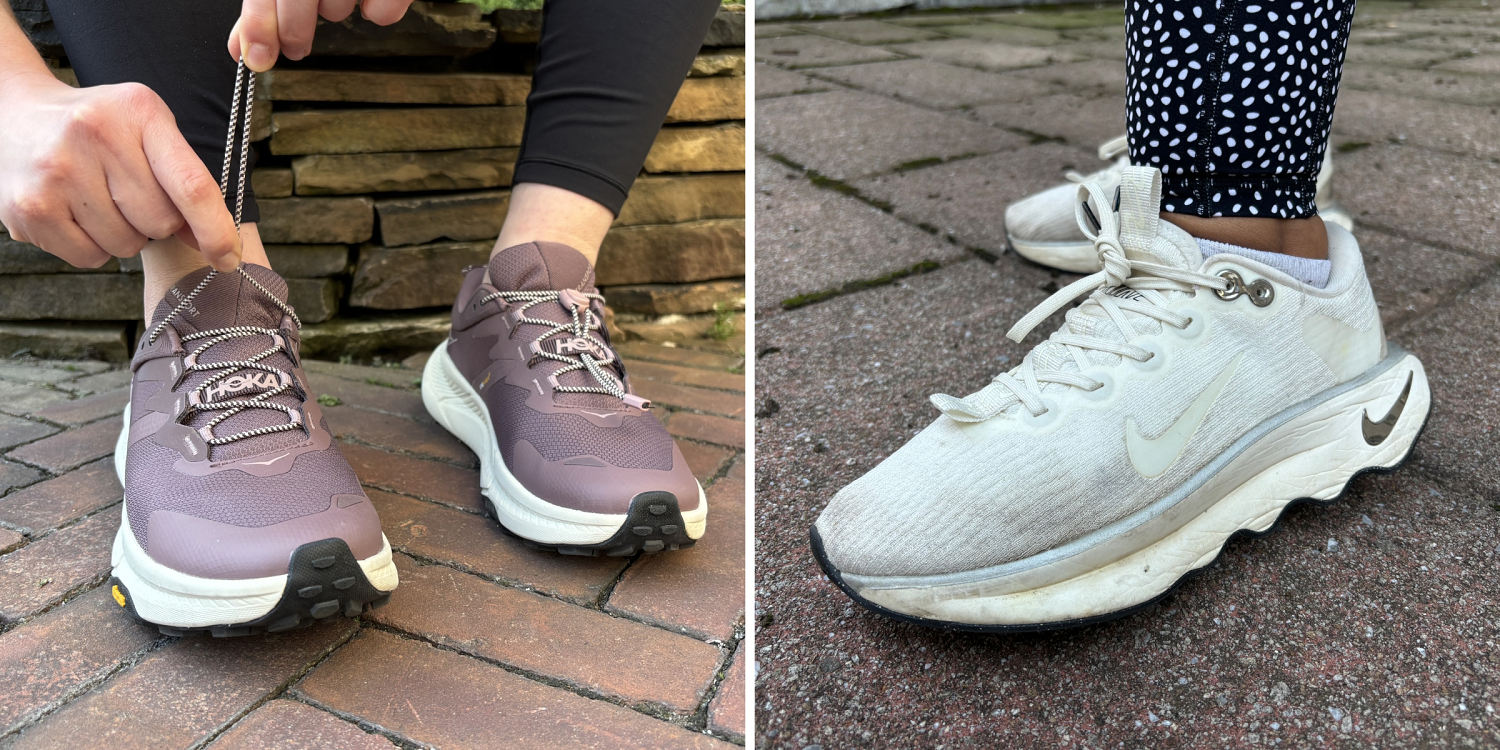
Most people treat walking shoes as an afterthought. They grab whatever old pair of running sneakers is collecting dust in the closet, or worse, they buy dedicated running shoes thinking the extra cushion translates to daily pavement pounding. That is a massive mistake. Walking and running put entirely different physical demands on your body.
When you run, you experience brief moments of flight where both feet leave the ground, followed by a heavy, high-impact strike. When you walk, one foot always stays on the ground. Your weight rolls smoothly from heel to toe rather than slamming down at a sharp angle. Because of this, running shoes are often too flexible in the middle and have too much heel drop, which can throw off your natural posture during a long walk.
If your feet ache after a simple neighborhood stroll or a shift spent standing on hard hospital floors, your footwear is usually the culprit. Let's look at what actually works for real-world walking based on hands-on wear testing, foot anatomy, and podiatric reality.
The Myth of One-Size-Fits-All Comfort
Shoe marketing loves words like "cloud-like" and "max cushion." Ignore them. A shoe that feels amazing for a quick trip to the grocery store can turn into a torture device by mile three.
If you have low arches or flat feet, that ultra-squishy foam collapses under your weight, forcing your ankles to roll inward. You need structured stability, like the Saucony Guide series, which uses higher sidewalls and a broader platform to keep your stride aligned. On the flip side, high arches demand shock absorption that won't bottom out. Shoes like the Hoka Bondi or Brooks Glycerin series handle this by dispersing impact evenly across the sole without feeling like you're walking on wet sand.
Another major oversight is ignoring women's specific foot geometry. Many brands simply shrink down men's lasts and call it a day. Women generally have a narrower heel relative to the forefoot, a shorter arch length, and a different angle of the lower leg bone. Brands like Ryka engineer their shoes entirely around these biological differences, preventing heel slip and the friction blisters that ruin a good walk.
What to Look For When Your Feet Take a Beating
Testing dozens of models every year teaches you a few hard truths. First, upper materials matter just as much as midsole foam. If the mesh lacks breathability, your feet swell in the summer heat, creating painful pressure points against the side seams. Look for open-weave synthetics that let air circulate without sacrificing midfoot lockdown.
Second, check the outsole rubber. Smooth foam bottoms wear down to slick plastic within three months of concrete walking. You need zoned rubber pods on high-friction areas like the heel strike zone and toe-off point.
Finally, don't skip the break-in period. Even the best walking shoes require about a week of short outings to mold to your unique foot contours.
Making Your Next Pair Count
Stop guessing your shoe size based on what you wore five years ago. Pregnancy, hormonal shifts, and normal aging change foot dimensions over time. Go get measured later in the day when your feet are naturally slightly swollen.
Invest in a pair designed specifically for your gait, replace them every 300 to 500 miles, and stop punishing your joints with the wrong footwear. Your feet carry you through life every single day. Give them the actual support they deserve.