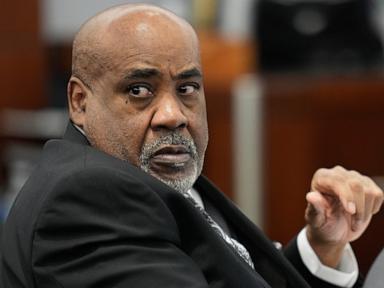
Thirty years is a long time to wait for a measure of truth. For three decades, the death of Tupac Shakur has been shrouded in myth, conspiracy, and street legend. This week, the courtroom in Las Vegas finally cut through the noise. It wasn't pretty. It wasn't cinematic. It was just cold, hard, forensic reality.
The ongoing trial of Duane "Keffe D" Davis is forcing the public to confront the physical destruction caused by that night in September 1996. When Dr. Lisa Gavin, a Clark County forensic pathologist, took the stand to detail the autopsy records, she didn't just list injuries. She dismantled the romanticized version of a hip-hop martyr’s final moments, replacing it with the jagged reality of a homicide victim.
The Reality of the Trauma
Many people have spent years debating which bullet hit where or if the medical response was sufficient. Dr. Gavin’s testimony, as an expert witness reviewing the 1996 records, clarified the catastrophic damage. Tupac Shakur didn't die instantly. He fought for his life for six days.
The medical reality was bleak. A bullet entered his chest near the armpit. It tore through his lung, triggering a collapse and internal hemorrhaging. Surgeons removed that damaged lung in a desperate attempt to save him. Other projectiles caused severe trauma to his intestines and various parts of his anatomy. Seeing the autopsy photographs—which show the reality of the chest tubes and the physical toll of his hospital stay—was clearly a jarring experience for family members present in the courtroom.
Some might ask why this matters now. The legal intent is clear: to prove the severity and the nature of the act. But for the family, as Zayd Akinyela, the rapper's cousin, noted outside the courtroom, these grueling details offer a path toward a closure that has been denied for thirty years. Understanding the physical mechanics of his death isn't just a legal maneuver; it's a way to finally process the loss.
The Case Against Keffe D
The prosecution’s narrative is straightforward: this wasn't a random act of violence. It was a planned execution. Following an altercation at the MGM Grand involving Tupac’s entourage and Keffe D's nephew, Orlando "Baby Lane" Anderson, prosecutors claim a two-hour window of vengeful planning led to the shooting.
Keffe D stands accused of orchestrating that retaliation. He has pleaded not guilty, while his defense team attempts to frame the state’s case as "fiction." They argue that past admissions—including his 2008 police interview and his memoir, Compton Street Legend—were inflated stories told by a man trying to survive in a different legal environment.
The judge’s decision to allow those past statements as evidence is the heartbeat of this trial. Without them, the prosecution would be relying on decades-old testimony and circumstantial evidence that has notoriously failed to secure a conviction in this case before. Now, the jury will decide if those words were bragging, tactical lying, or a genuine confession to orchestrating a murder.
Why This Trial Is Different
You’ve likely heard every conspiracy theory about Tupac Shakur. They’ve dominated the cultural conversation for generations. But those stories ignore the mundane, brutal nature of gang violence. There is no mystery here. There are no secret societies. There is only a retaliatory shooting fueled by a fistfight at a boxing match.
The inclusion of the MGM Grand surveillance video is a sharp reminder of how quickly a night out can turn into a crime scene. Seeing the grainy footage of the altercation, then knowing what happened hours later, strips away the myth and leaves the observer with the stark reality of human ego and violence.
Moving Forward
The trial will continue to unfold, but the focus remains on accountability. We are finally moving past the era of urban legends and into a phase of historical reckoning. If you’re following this case, stop looking for hidden clues or secret agendas. Watch the witness testimony, examine the documented evidence, and consider the legal weight of confessions made in the years following the event.
The truth is rarely as interesting as the fiction we create, but it’s the only thing that provides actual justice. The trial of Duane "Keffe D" Davis is about closing the book on one of the most painful chapters in music history. It’s a messy, uncomfortable process. It’s also exactly what is required to move on.