The future of British steelmaking is hanging by a thread, and a Norwegian green steel group thinks it can fix what years of financial turmoil broke.
Blastr Green Steel has been chasing Speciality Steel UK (SSUK) for most of the year. The prize is massive: SSUK ranks as Britain's third-biggest producer of the metal, employing over a thousand people across Rotherham and Sheffield. These facilities supply critical components to aerospace giants like Airbus and defense contractors like Rolls-Royce. When Sanjeev Gupta's Liberty Steel empire unraveled and SSUK tumbled into compulsory liquidation, these strategic assets stalled.
Now, Blastr is moving closer to an acquisition. The company has lined up crucial financial backing from Aptior Capital, a special situations credit fund. This new private credit removes Blastr's reliance on direct UK government financial support to complete the transaction, clearing a major hurdle in a high-stakes industrial takeover.
Why the SSUK Deal Matters
If you look at the landscape of European heavy industry, traditional blast furnaces are dying out. Stricter emissions targets and soaring energy bills are killing old-school production methods. Blastr approaches this differently. Founded in 2021, the firm specializes in low-carbon steel production, aiming to slash emissions by up to ninety percent compared to traditional coal-fired methods.
Buying SSUK gives Blastr immediate operational footprint in the UK, rather than building greenfield plants from scratch. The facilities in Rotherham house electric-arc furnaces with a capacity of roughly 1.1 million tons per year. These furnaces are largely dormant, waiting for a cash injection to purchase raw materials like ferrous scrap and fire up production again.
Blastr hasn't had an easy path to the finish line. The Norwegian firm faced direct competition from other international bidders, including Arabian Gulf Steel Industries from the United Arab Emirates and 7 Steel UK. Yet, securing private credit from Aptior Capital puts Blastr in a strong position to finalize an agreement this autumn.
Overcoming the Ghost of Liberty Steel
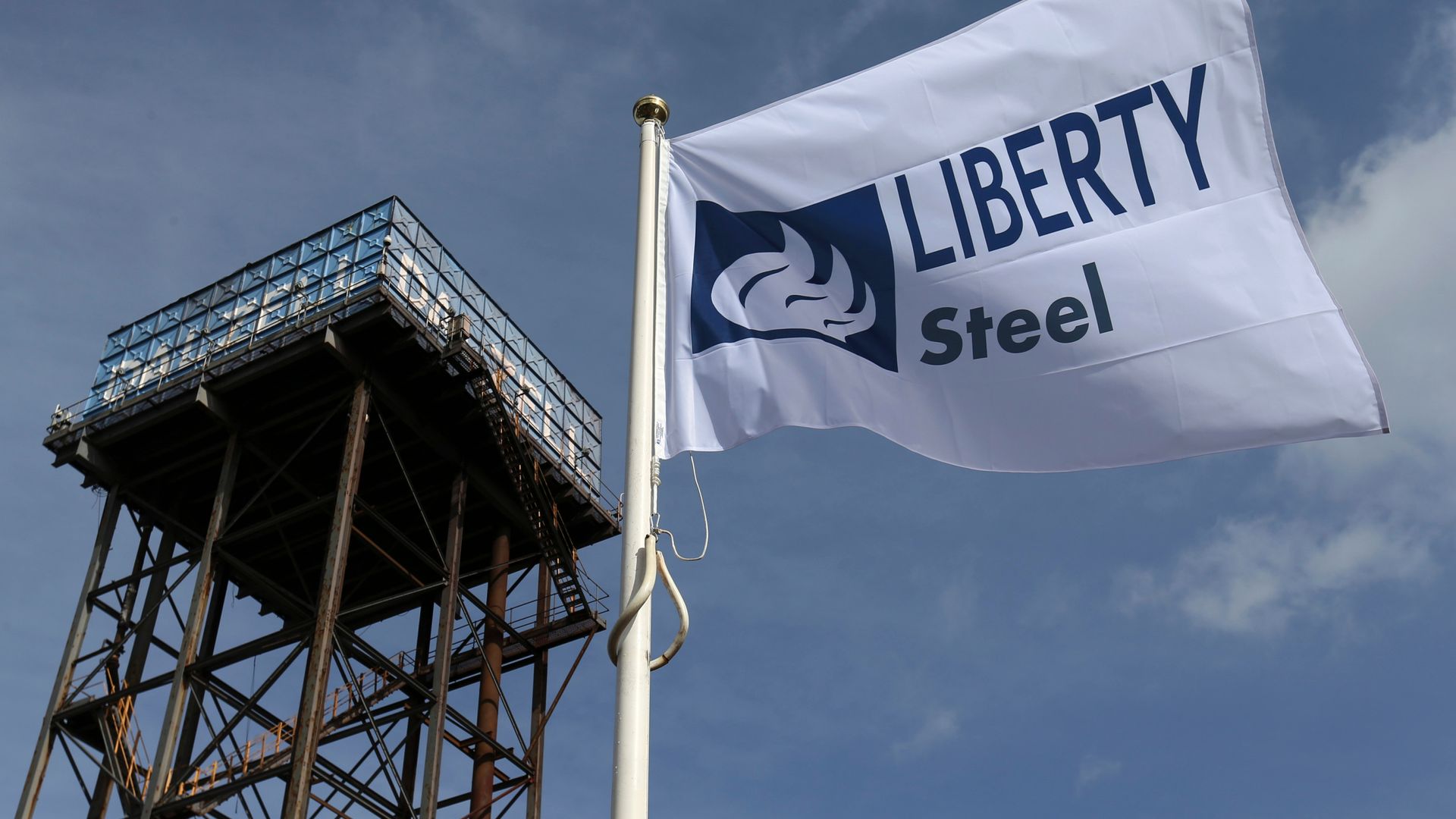
To understand why this acquisition is so complicated, you have to look backward. SSUK previously sat under Liberty Steel, part of Sanjeev Gupta's sprawling network. When key lender Greensill Capital collapsed, the financial house of cards fell with it. SSUK faced mounting debts, unpaid suppliers, and eventually a court-ordered liquidation in August 2025.
Workers and trade unions like Community have spent years living in a state of chronic anxiety. When the government stepped in to place the business under receivership, the primary goal was finding a buyer capable of restarting production without relying on endless state bailouts.
That is why Blastr's move to secure private funding changes the narrative. Governments are weary of propping up failing heavy industry with taxpayer money. By bringing in Aptior Capital to back the bid, Blastr proves it can attract institutional capital to revive a heavy manufacturing asset.
What Happens Next
The deal isn't completely inked yet, but the timeline is accelerating. Final terms are expected to be settled soon, moving SSUK out of government receivership and back into private hands.
If Blastr succeeds, the immediate priority will be procuring scrap metal, testing the electric-arc furnaces, and calling skilled workers back to the shop floor. For the UK steel sector, this acquisition represents a rare chance to transition legacy manufacturing into a low-carbon future. Watch the coming weeks closely as final financing terms clear regulatory approvals.