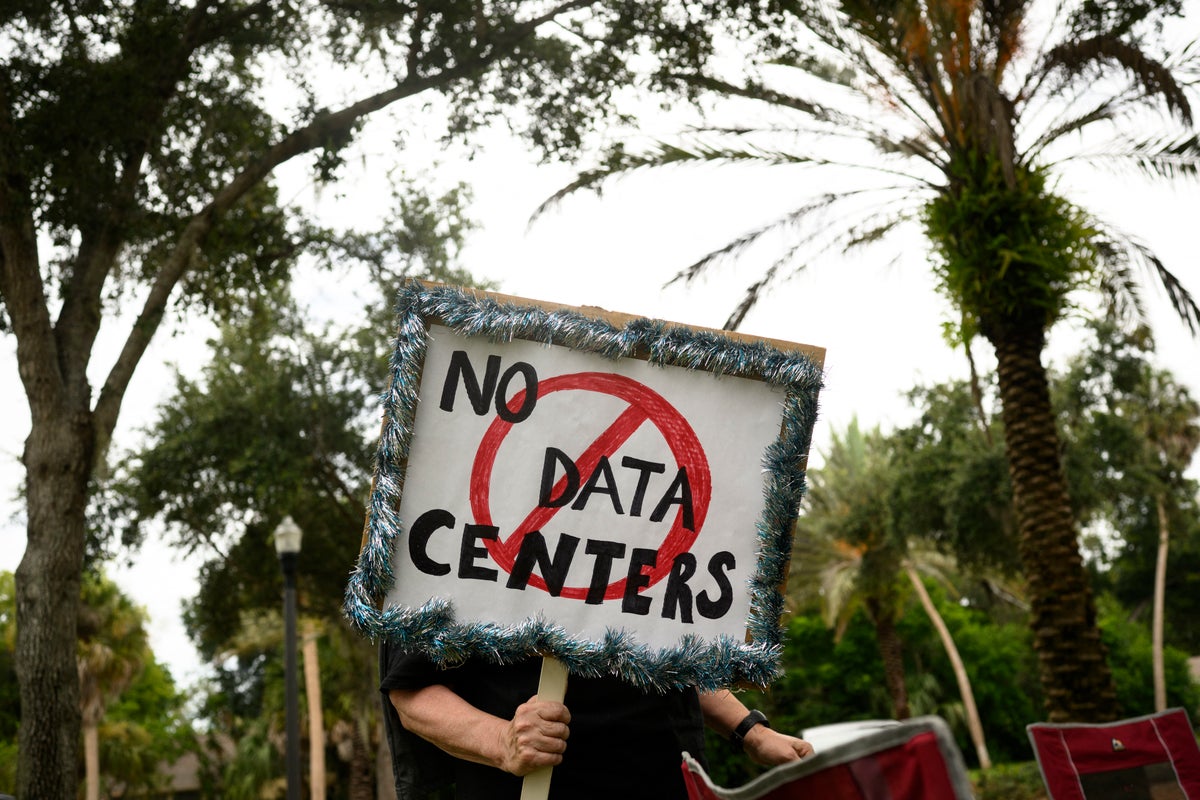
You didn't expect local county commission meetings to become the frontline of American politics, did you? Yet, quiet rural towns and suburban neighborhoods are transforming into battlegrounds as residents push back hard against the massive server farms powering the artificial intelligence boom. Tech giants spent years assuming they could drop these industrial cooling-and-computing behemoths anywhere without consequence. They were wrong. Now, they are throwing hundreds of millions of dollars into political campaigns to buy their way out of a grassroots rebellion.
If you look at the numbers, the scale of this physical buildout is staggering. Hyperscale companies like Amazon, Microsoft, Google, Meta, and Oracle are projecting over $560 billion in infrastructure spending. Construction on data centers surged roughly 60 percent year-over-year according to Census Bureau data. But power grids are straining, water tables are dropping, and utility bills are ticking upward. Voters noticed. Polling shows that only a tiny fraction of Americans actually think these facilities benefit their neighborhoods. When people see their electricity costs spike so a distant corporation can train a large language model, they get angry.
And angry voters show up at the ballot box.
The Political Cash Wave Changing Elections
Big Tech is responding with a familiar corporate playbook: open the checkbooks. Super PACs and dark money groups tied to the artificial intelligence sector have pledged roughly $265 million to influence the political cycle. Venture capital heavyweights like Andreessen Horowitz along with top tech founders have poured tens of millions into political action committees like Leading the Future and Public First Action.
You can see the impact in local and congressional races from New York to Texas. In a New York congressional primary, millions flooded the district because a candidate dared to sponsor strict AI safety legislation. Campaigns across the country are seeing millions spent on broadcast ads that do not even mention artificial intelligence or server farms by name. Instead, political consultants are using well-funded attack ads to reshape entire political landscapes, trying to protect corporate interests before local zoning boards can issue permanent bans.
Elected officials are caught in an impossible squeeze. Governors and senators who once rushed to crown their states as the capital of technological innovation are suddenly reversing course. In Texas, Governor Greg Abbott ordered an audit of grid connections after feeling the political heat. In Pennsylvania, Governor Josh Shapiro shifted from praising tech investments to restricting new builds to appease frustrated constituents. Even presidential administrations are scrambling, pushing voluntary ratepayer pledges while trying not to alienate the billionaire donors who fund campaigns.
Why Secretive Planning Backfired on Silicon Valley
The primary mistake tech developers made wasn't building infrastructure. It was how they did it. Companies frequently rely on non-disclosure agreements, shell corporations, and secretive planning sessions with local officials to bypass public scrutiny. When residents discover that a massive, water-guzzling, humming industrial complex is slated for the plot of land down the road—without their input—trust evaporates completely.
Transparency matters. When you treat local communities like obstacles to be managed rather than partners to be consulted, you invite fierce resistance. Organizations like the Brookings Institution point out that trying to bypass local populations simply does not work anymore. People take their grievances straight to the polls.
Tech companies are attempting to course-correct with community funds, workforce academies, and ambitious water-positive pledges promising to restore more water than they consume by 2030. Some states are even floating the idea of using multi-billion-dollar hyperscale tax revenues to completely eliminate state income taxes or dramatically boost school funding.
Yet, throwing money at local community centers rarely heals broken trust. Voters are worried about immediate realities: high utility bills, drained aquifers, and changing neighborhoods. If you run a tech venture or municipal planning office, you need to understand that public skepticism is deep-seated and bipartisan.
Ignore local concerns now, and you will pay for it at the ballot box later.