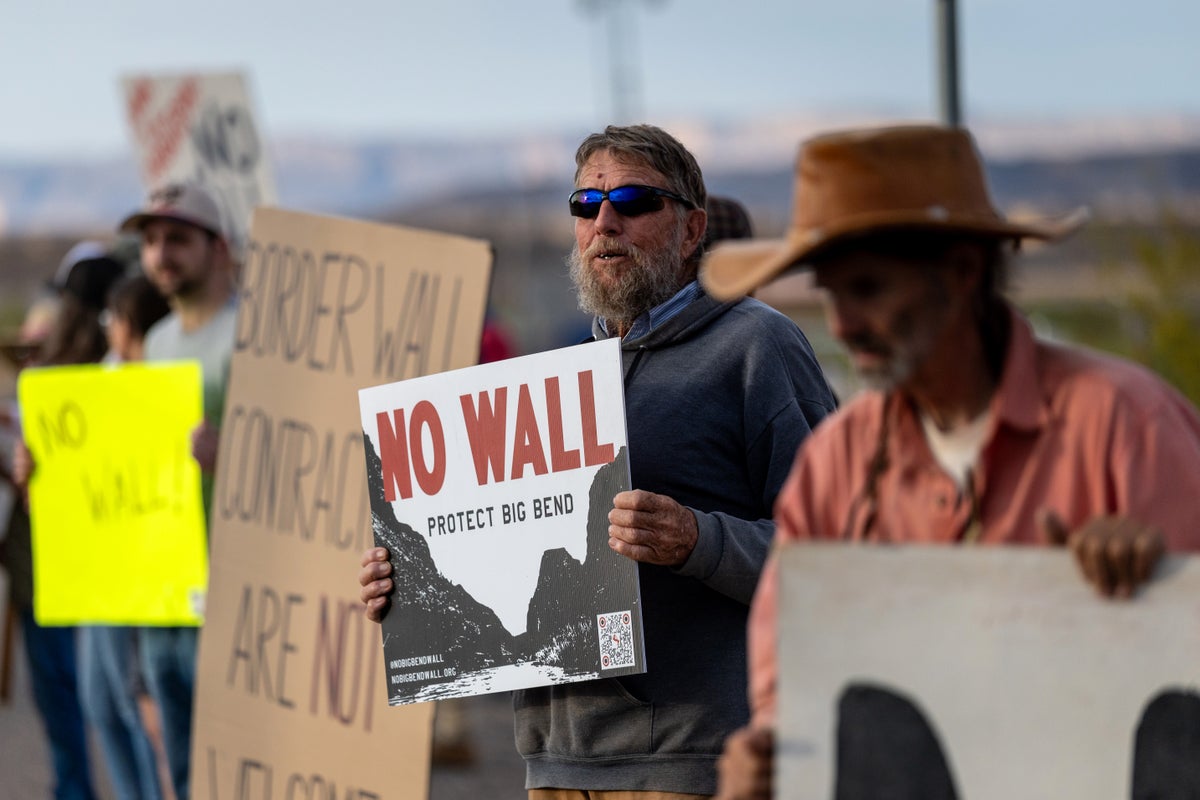
You won't find many political flashpoints where local ranchers, environmentalists, river guides, and rural county sheriffs all stand on the exact same side of the barricade. But the federal push to install massive border barriers through West Texas managed to do just that. Bulldozers and heavy machinery recently arrived in Big Bend National Park, kicking off a $1.7 billion project that has ignited fierce bipartisan blowback. Federal officials claim they know the terrain, but the people who actually live, work, and patrol out there every single day are calling the plan an expensive mistake.
If you want to understand why this project is stirring up so much anger, you have to look past the standard talking points from Washington and examine the ground reality of the Chihuahuan Desert.
The Geography Doesn't Fit the Blueprint
Border security isn't one-size-fits-all, yet federal barrier blueprints often treat the entire southern boundary as a flat canvas. Big Bend is anything but flat. The region features massive granite cliffs, deep river canyons, and some of the most rugged, isolated wilderness in North America.
Local law enforcement officers who have spent decades navigating these canyons point out a basic logistical truth. Building a 30-foot steel wall across vertical mountain faces or remote riverbanks makes zero practical sense. Border sector agents and local sheriffs have repeatedly argued that physical walls are unnecessary here because Mother Nature already built a formidable barrier. Smugglers and unauthorized crossers face extreme heat, lack of water, and brutal terrain long before they ever reach a highway.
Apprehension numbers back this up. Federal data shows the Big Bend sector accounts for a tiny fraction of total border apprehensions—roughly 1.3%. Pumping billions of dollars into heavy construction in a low-traffic, high-wilderness zone strikes critics as a massive misallocation of resources.
What's at Stake for the Locals
The backlash isn't just about abstract politics or aesthetics. Real communities rely on the unique ecosystem of Big Bend.
- Tourism and Economy: Small towns dependent on park visitors fear that heavy industrial construction, bright night lighting, and scarred landscapes will permanently tank the local tourism economy.
- Cultural Heritage: Anthropologists and Native American tribes have raised urgent alarms about damage to sacred archaeological sites and ancient rock art preserved across the canyons.
- Wildlife Corridors: Endangered species like Texas bighorn sheep and black bears depend on unfragmented habitats to move freely across the borderlands.
- Infrastructure Strain: Remote counties have minimal emergency medical services. Introducing hundreds of construction workers into isolated pockets strains local resources to the breaking point.
Even prominent Texas Republicans, including federal lawmakers and local county judges, have urged the Department of Homeland Security to halt physical construction and lean into non-intrusive surveillance technology instead. Cameras, motion sensors, and targeted vehicle barriers have historically proven effective without chewing up fragile public lands.
Moving Past the Concrete Mindset
Washington likes simple, highly visible symbols of security. A steel wall looks great in a campaign ad, but on the ground in West Texas, it creates administrative headaches and permanent environmental scars without fixing a pressing security crisis.
If federal agencies want true security, they should listen to the people wearing the badges and living along the river. Stop forcing generic solutions onto irreplaceable wilderness. Prioritize smart technology, respect local expertise, and leave the canyons wild.
Republican border sheriff pushes back as bulldozers arrive in Big Bend National Park
This video provides an on-the-ground look at the heavy machinery arriving in Big Bend and features local law enforcement discussing the impact of the border security project.
http://googleusercontent.com/youtube_content/1