Heavy machinery has finally torn into the pristine wilderness of Big Bend National Park. If you care about public lands, wild spaces, and government spending that makes zero practical sense, you need to pay attention to what's happening right now in West Texas.
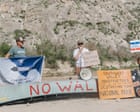
Bulldozers are ripping up earth near the mouth of the iconic Santa Elena Canyon. Customs and Border Protection (CBP) claims this is just prep work and soil testing, but local activists, river guides, and former park superintendents aren't buying the PR spin. Southwest Valley Contractors secured a massive $1.7 billion contract in May to build border security infrastructure here. The damage is real, and it's happening fast.
The Reality of Border Crossings in West Texas
To understand why this project makes local residents furious, you have to look at the numbers. Big Bend covers an enormous, rugged expanse along the Rio Grande, representing over a quarter of the entire U.S.-Mexico boundary. Yet, it sees almost no unauthorized vehicle crossings.
Data shows that the Big Bend sector accounted for roughly 1.3% of total border apprehensions, and within Big Bend National Park itself, crossings accounted for an infinitesimal fraction—about 0.045% of the national total. The terrain itself acts as an unyielding natural barrier. You have towering 1,500-foot cliffs, blistering desert heat, and brutal mountain ranges like Mariscal Mountain. Smugglers don't pick the most desolate, waterless desert on the continent when urbanized sectors offer much easier entry points.
So why spend billions here? It’s a question critics have asked for months, pointing out that construction will ruin ecosystems while solving a problem that doesn't actually exist in this specific park.
Bipartisan Outcry and Wrecked Environmental Protections
Opposition to the border wall expansion spans the political spectrum. Local gateway communities like Terlingua rely heavily on ecotourism, river trips, and hikers who come to experience the Last Frontier of Texas.
Local business owners, outfitters, and local politicians from both parties have spoken out against marring the wilderness. Even local law enforcement has pushed back. All five sheriffs along the Big Bend border region and all 14 Texas border county judges have questioned the logic of building heavy walls across vertical mountain drops and fragile desert washes.
The Department of Homeland Security pushed this through by utilizing waivers in June to bypass bedrock environmental laws. They waived the National Park Service Organic Act, the Endangered Species Act, and the National Wild and Scenic Rivers Act. When you can ignore the laws designed to protect public heritage, you can do whatever you want. That is exactly what contractors are doing.
What Happens Next to the Last Frontier
CBP officials like Commissioner Rodney Scott argue that patrol roads and vehicle barriers are necessary to keep the area secure from potential cartel activity. But opponents counter that the government is pushing ahead with opaque plans that could eventually include dynamite blasting through remote canyons and cutting off public access to the Rio Grande.
River outfitters are staring down the barrel of economic ruin if permanent barriers block river routes. If you planned a trip to hike Santa Elena Canyon or paddle the river, your experience is going to change. The landscape that draws millions of travelers seeking solitude and raw nature is being permanently altered by concrete, steel, and heavy treads.
The fuse has been lit in West Texas. Whether public pressure or legal challenges can halt the rest of the multi-billion-dollar infrastructure plan remains to be seen, but the physical scars on Big Bend are already appearing.
Don't wait for officials to sugarcoat the situation. Keep an eye on local conservation groups fighting the contracts, support the gateway businesses trying to protect their livelihoods, and visit these wild places while they're still wild.