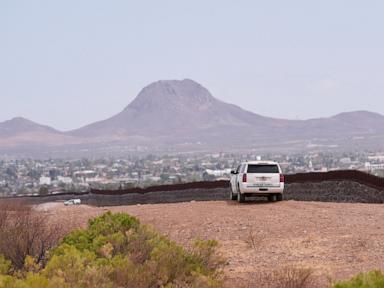
Bulldozers ripping through pristine wilderness always spark a fight, but when heavy machinery rolled into Big Bend National Park, the pushback was immediate and fierce. The federal government recently agreed in a San Antonio federal courtroom to extend a pause on border-related construction within Big Bend National Park until mid-September.
If you've been following how national parks intersect with federal border security mandates, you know this conflict runs deep. Let's break down what's actually happening on the ground, why local business owners and Native American tribes are furious, and what this mid-September deadline means for the future of the park.
The Spark That Lit the Fuse
It started quietly enough. Heavy equipment appeared, and initial ground surveys began. But when earth-moving machines started tearing up parts of the remote park in far south Texas, local outrage boiled over instantly.
Customs and Border Protection initially pumped the brakes after agency leadership visited the park to consult locals. That temporary administrative halt was set to expire quickly. Instead of letting it lapse, U.S. District Judge Orlando L. Garcia presided over a high-stakes hearing where the federal government agreed to stretch the construction freeze through mid-September.
Why does this matter? Because Big Bend isn't just any stretch of land. It's a protected national park, a sanctuary for wildlife, and a cornerstone of local tourism economies like Terlingua and Study Butte.
What the Government Actually Has Planned
The friction comes down to a clash of competing federal priorities. On one side, the administration points to a sweeping, multi-billion dollar border infrastructure initiative designed to cover thousands of miles from the Pacific Ocean to the Gulf of Mexico. The plan for areas like Big Bend has historically involved vehicle barriers, detection technology, and new access roads.
Government attorneys argue that Congress gave them explicit authority to build and to waive certain environmental and regulatory laws to get it done quickly. "Congress has spoken," government lawyer Pamela Amaechi stated during the court proceedings, emphasizing that Customs and Border Protection operates under statutory mandates.
Yet, during the recent hearing, government representatives also admitted that no final, immutable blueprint has been locked in for every single acre of the park. That ambiguity has left local residents swinging in the dark.
The Coalition Fighting Back
Opposing the federal timeline is an unusual alliance. Local business owners, environmental preservation groups, and members of the Lipan Apache tribe have banded together under legal challenges like the lawsuit brought by The People of La Junta for Preservation.
The plaintiffs are pushing back on multiple fronts:
- Environmental Impact: Protecting fragile desert ecosystems, rare plant species, and wildlife corridors that face permanent fragmentation from heavy infrastructure.
- Cultural and Religious Freedom: The lawsuit argues that construction directly tramples on sacred Native American burial sites and ancestral lands central to ongoing religious practices.
- Economic Survival: Tourism drives the region. Local outfitters and business operators fear heavy construction will choke off the wilderness appeal that draws visitors from around the world.
Billy Bartko, who runs an outdoor adventure center in the area and serves as a plaintiff in the case, put it bluntly: they want the federal government to start being completely transparent with the American public about what is coming.
What Happens Next
Judge Garcia made it clear he hopes both sides use the breathing room before mid-September to talk things out. Whether meaningful compromises can be reached between federal security directives and local conservationists remains an open question.
For now, the bulldozers are parked. If you're planning a trip to Big Bend or tracking federal land use policy, keep a close eye on how this mid-September deadline shakes out. The outcome here will set a powerful precedent for how border infrastructure collides with federally protected public lands.
Big Bend border wall construction pause extended as deported U.S. citizen returns to TX
This video provides local news coverage and direct commentary on the federal court hearing that extended the construction pause in Big Bend National Park.
http://googleusercontent.com/youtube_content/1