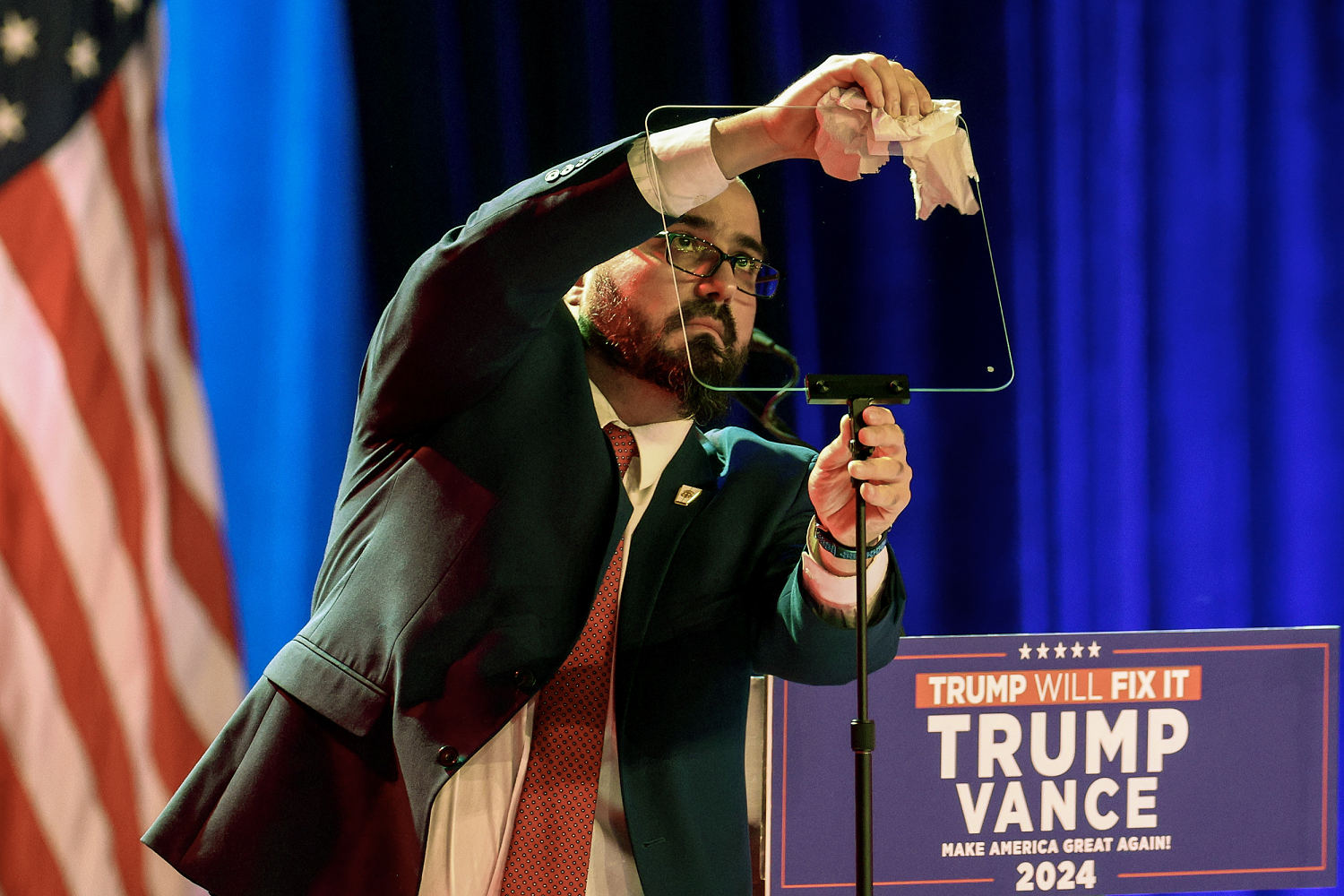
When you hold the text of the president's address in your hands before anyone else, you shouldn't use it as a cheat sheet for online gambling. Gabriel Perez learned this the hard way. The former White House teleprompter operator was recently ordered by federal regulators to cough up $172,000 after turning presidential speech drafts into private wagering tools on prediction markets.
If you are wondering how a niche operational job turned into an insider trading scandal, you are not alone. Let's look at how prediction markets like Kalshi exposed an insider trader in the West Wing and why it matters for the future of speculative betting.
The Speech That Started the Trouble
Perez worked as a teleprompter operator for the White House, handling technical scroll duties for presidential remarks. Between December 2025 and February 2026, he found a unique loophole for a quick payout. Kalshi—a regulated prediction market platform—offered contracts on specific words and phrases Donald Trump might use during major addresses.
Think about high-profile moments like February's State of the Union address, a primetime economic outline, or remarks at global summits. Perez had advanced access to these drafts. Instead of guarding that nonpublic information with professional discretion, he used it to buy "presidential mention market contracts."
He didn't just place a stray wager. Investigators found he netted over $107,500 in profits across more than a dozen speeches.
How the Scheme Unraveled
Prediction platforms are not wild west casinos anymore. They use automated surveillance systems to flag anomalous trading behaviors. Kalshi's system noticed abnormal buying and selling patterns on specific word bets ahead of major presidential speeches.
Once the platform's compliance team looked under the hood, they tracked the accounts back to a federal employee. Kalshi quickly froze the account, locking up roughly $90,000 of his accumulated gains, and referred the case over to the Commodity Futures Trading Commission (CFTC).
The fallout was swift. White House press secretary Karoline Leavitt called the incident "deeply unfortunate and, frankly, a disgrace." Perez was placed on unpaid leave before leaving his post entirely.
The Hefty Price of Inside Information
Federal regulators didn't let him walk away with a slap on the wrist. The CFTC settlement forced Perez to hand over his exact trading profits of $107,539.02, plus an additional civil penalty of $65,000. Regulators noted that the $65,000 fine was actually a substantial discount granted because of his "exemplary cooperation" during the investigation. On top of the $172,000 total bill, he received a three-year trading ban from the platform and commodities markets.
It is a steep cost for a staffer whose annual government salary was around $175,000.
What This Means for Prediction Markets
The explosive growth of prediction platforms has created a brand new frontier for financial compliance. When ordinary citizens can bet on federal reserve interest rates, election outcomes, or specific vocabulary used in executive speeches, the line between harmless speculation and illegal insider trading blurs.
Kalshi updated its policies to require users to disclose their places of employment, hoping to catch government insiders before they place bets. Meanwhile, White House management distributed internal memos explicitly warning aides against leveraging nonpublic government knowledge for personal wagers.
If you plan on trading event contracts, keep this case in mind. Regulators are watching order books closely, and using your day job to game the system is a fast track to severe fines and career destruction.