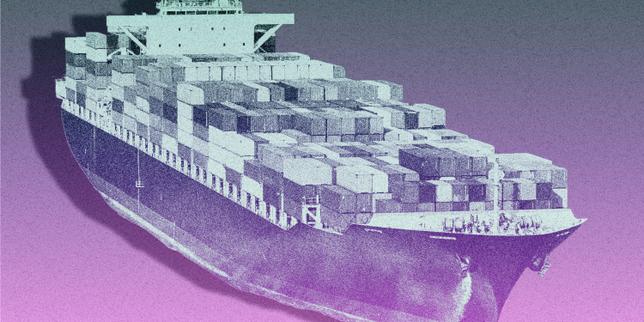
We need to talk about the melting Arctic. While most analysts frame the opening of northern shipping lanes purely as an economic windfall for commerce, that view misses the core reality. The so-called polar silk road isn't just about shaving days off transit times between Asian ports and Europe. It's a calculated geopolitical insurance policy designed to bypass vulnerable maritime chokepoints and project hard power alongside Moscow.
If you look closely at how maritime trade has operated for decades, you notice an extreme reliance on traditional bottlenecks. When conflicts flare up near the Suez Canal or the Strait of Malacca, global supply chains immediately panic. Beijing knows this better than anyone else. By investing heavily in Arctic infrastructure, joint shipping routes with Russian operators, and scientific outposts across the high north, China is building an alternative highway that completely circumvents Western-influenced waters.
The Logistics Reality Behind the Melting Ice
Summer ice retreat has unlocked new passages along the Siberian coast much faster than predicted. Commercial voyages running from Chinese ports toward Europe via northern waters have proven they can cut transit times drastically compared to traditional southern routes. But you shouldn't mistake this for a simple commercial upgrade.
Operating in polar waters requires specialized tonnage and ice-breaker support. Because Russia controls the key infrastructure along the Northern Sea Route, Beijing and Moscow have forged an increasingly tight operational alignment in the region. This partnership isn't built on casual cooperation. It's a strategic fusion where Russian naval dominance and ice-breaking capacity meet Chinese capital, container fleets, and long-term ambition.
When a container ship completes an Arctic transit successfully, headlines celebrate the speed. They rarely mention the strategic leverage gained by nations operating outside standard Western maritime oversight.
Beyond Shipping Lanes Science and Footprints
China's footprint in the far north extends far beyond cargo vessels. Over the past decade, Beijing has positioned itself as a self-declared "near-Arctic state," funding research facilities, Earth-observation satellite stations, and diplomatic partnerships with countries like Iceland.
Critics often dismiss these moves as academic outreach. That's a mistake. Scientific stations provide dual-use capabilities, offering intelligence, navigation support, and environmental data that feed directly into military and commercial mapping. By embedding itself into local Arctic economies through infrastructure investments and resource partnerships, Beijing ensures it has a permanent seat at the table when future governance of the polar region gets decided.
Western powers are waking up to this reality, but their response remains fragmented. NATO members are scrambling to patrol northern borders while commercial interests push for immediate access to shorter trade loops. Meanwhile, the strategic map of the Arctic is being redrawn in real time.
Stop viewing northern shipping routes as a mere byproduct of climate change. Treat them for what they actually represent: a permanent shift in global trade control and a masterclass in geopolitical risk mitigation. Keep a close eye on how northern infrastructure evolves over the next five years, because the nation that controls the ice corridors will dictate the terms of twenty-first-century commerce.
Polar Silk Road: A Chinese cargo ship travels through the Arctic
This video provides direct visual context on how Chinese cargo ships are utilizing newly accessible Arctic shipping lanes to connect Asia and Europe.
http://googleusercontent.com/youtube_content/1