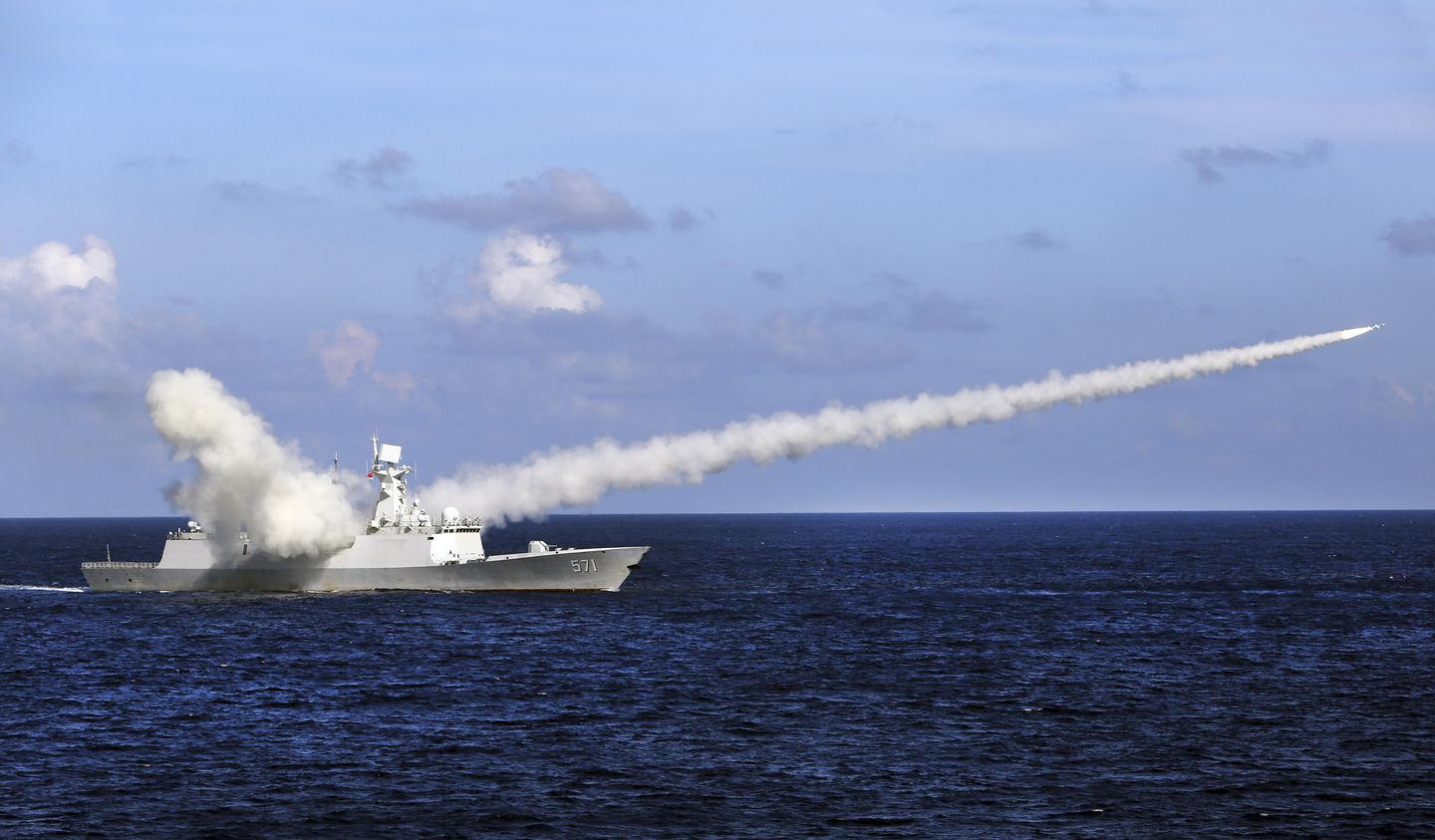
A year ago, Antelope Reef was basically invisible at high tide. Today, it is a nearly 1,500-acre artificial island featuring a deep-water port, a massive quay for warships, and the unmistakable footprint of an emerging military airfield. While official state media in Beijing continues to insist the massive construction project is meant for civilian weather forecasting and scientific research, open-source intelligence and defense analysts aren't buying the narrative.
The completion of the first major construction phase on Antelope Reef marks a dramatic escalation in the geopolitical chess match over the South China Sea. This isn't just about piling sand on a disputed shoal. It is about reshaping the military balance of power right on the doorstep of vital trade routes and potential flashpoints.
Why Antelope Reef Changes the Game
Location is everything in military strategy. Situated in the Paracel Islands—which are claimed by Vietnam and Taiwan alongside China—Antelope Reef occupies a uniquely potent geographic sweet spot. It sits roughly 162 nautical miles from Sanya Port on Hainan Island, home to major elements of China's aircraft carrier fleet and nuclear-armed submarines.
Military planners looking at a potential conflict scenario involving Taiwan see Antelope Reef as a critical stepping stone. Ben Lewis, founder of the open-source tracking platform PLATracker, points out that the northern sector of the South China Sea becomes exponentially more important during regional standoffs.
Instead of relying solely on bases further south in the Spratly archipelago, the People's Liberation Army now has a massive, highly defensible hub much closer to the mainland. This proximity allows military leaders to station heavy assets—like H-6 strategic bombers and advanced electronic surveillance gear—closer to potential zones of engagement without pushing them deep into exposed ocean sectors.
Anatomy of an Artificial Fortress
If you look closely at commercial satellite imagery captured by providers like Vantor, the scale of engineering is staggering. Dredging fleets worked nonstop for months, shifting over a million tons of sand to turn a submerged reef into a sprawling, teardrop-shaped military outpost.
The layout reveals clear tactical priorities:
- The Airfield Potential: Grading is already well underway on a massive strip on the northwest edge of the island that analysts estimate could easily accommodate a 9,000 to 10,000-foot runway. Excavations nearby match the exact dimensions of military aircraft hangars built on other contested features.
- Deep-Water Harbor: A 680-meter quay cuts into the inner lagoon, offering secure berthing for both coast guard cutters and front-line warships. China Coast Guard vessels have already been spotted docked alongside the newly minted pier.
- Surveillance Infrastructure: Early construction zones on the southeast corner feature helicopter pads, administrative blocks, and housing. Security experts note this spot is primed for extensive radar and intelligence-gathering arrays.
The Submarine Bastion Strategy
Beyond surface fleets and aircraft, regional security scholars like Collin Koh highlight another critical angle: submarine defense. Beijing wants to create secure ocean bastions to protect its ballistic missile submarines.
By establishing heavy surveillance and anti-submarine capabilities across enhanced island chains like Antelope Reef, the military can better shield its nuclear deterrent forces from rival American and Vietnamese vessels. It creates an overlapping umbrella of air and sea control that makes routine patrols by opposing navies increasingly hazardous.
The Diplomatic Fallout and What Happens Next
Unsurprisingly, neighboring countries and Washington are watching these developments with deep alarm. The project underscores a persistent gap between diplomatic assurances of peaceful intentions and the harsh reality of regional militarization.
When pushed on the issue, foreign ministry spokespersons routinely frame these environmental modifications as benign infrastructure. Yet, the concrete pads, deep-water berths, and runway grading tell a completely different story.
As the dust settles on this first phase of construction, expect to see the installation of permanent radar domes and anti-air missile batteries on the reef. For Washington and its regional partners, monitoring the rapid evolution of Antelope Reef from a hidden sandbar into a premier naval installation is no longer optional. It is an urgent security priority that defines the shifting boundaries of power in Asia.