You walk past the white marble facade of the Kennedy Center today, and you will see a strange sight. Scaffolding wraps around the exterior. A massive white tarp hides where metal name plates used to sit. Right now, only fragments of letters remain visible. It looks like a construction zone, but the real demolition work is happening inside a federal courtroom in Washington, D.C.
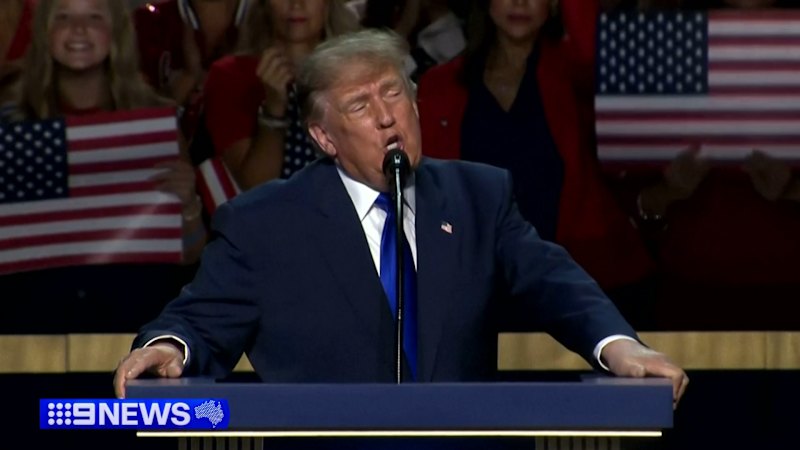
The Trump-dominated board of trustees wants to rename the national cultural center. They want Donald Trump's name stamped onto the historic building, its plazas, and its funding mechanisms. A federal judge already told them they couldn't do this. So, naturally, they voted to do it again anyway.
Lawyers fighting the board aren't mincing words. They call this a breathtaking assault on the rule of law. They argue that pushing ahead with these changes in direct defiance of a judicial order risks sparking a constitutional crisis. All for one man's vanity.
Why the Battle Lines Were Drawn
Let's look at how we got here. Last year, the board voted to officially rename the venue to include Trump alongside the assassinated former president. District Judge Christopher R. Cooper stepped in. He ruled that Congress made the naming rules crystal clear. The memorial belongs to John F. Kennedy, period. Trump cannot simply add his own moniker through unilateral executive say-so.
The court forced them to take the letters down. But the board refused to back off. Earlier this month, they held another vote. This time, they devised a workaround plan. They want to add phrases stating the building was restored and renovated by President Donald J. Trump, alongside an endowment tied to his name. They also voted to brand the surrounding public space as "President Donald J. Trump Plaza."
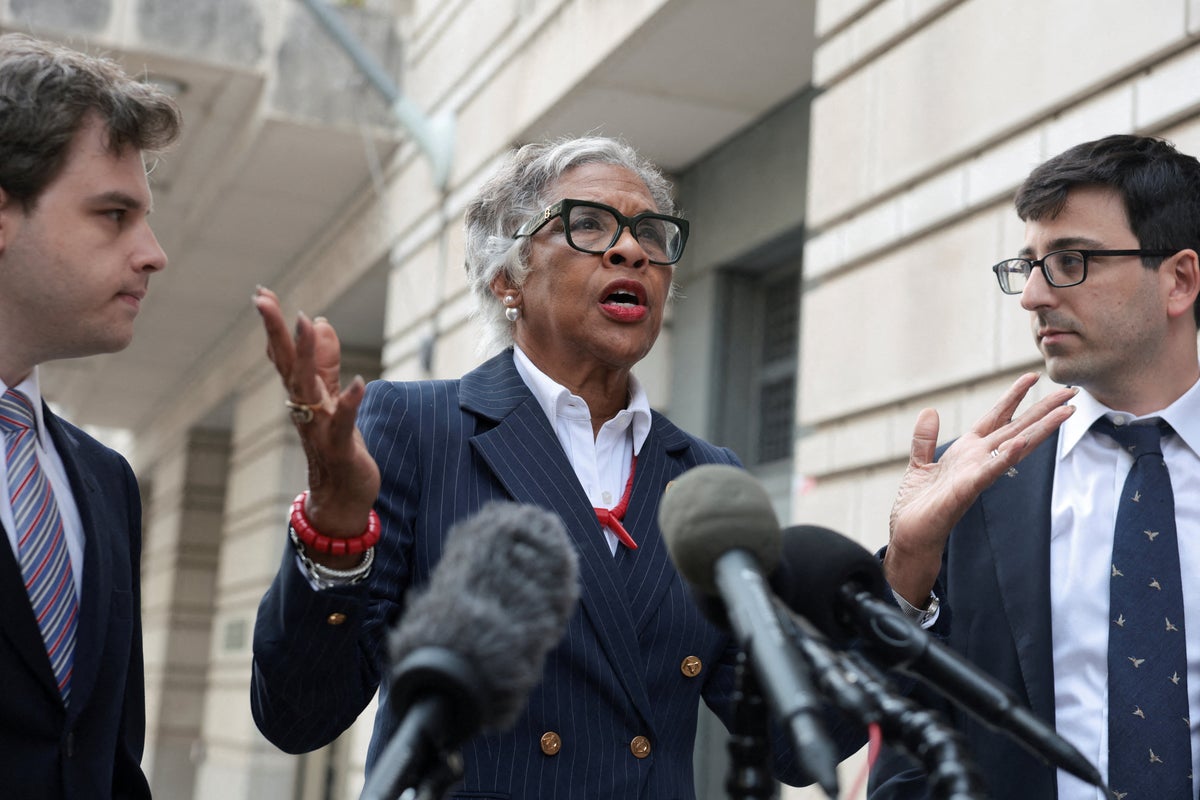
Rep. Joyce Beatty and her legal team fired back with an emergency motion. They pointed out the sheer audacity of the board's maneuvering. In court filings, her lawyers skewered the defense's underlying threat. The government basically implied that if the court stops Trump's renovation plan, the building might eventually fall apart and face demolition.
It is a bizarre argument. The Justice Department is essentially telling the judiciary that Trump is the sole hope for the center's financial survival.
The Defense and the Dollar Signs
Commerce Secretary Howard Lutnick stepped up to defend the strategy outside the courthouse. He praised Trump as the greatest builder in the world. He doubled down on the narrative that the 1964 structure desperately needs money and care.
Lutnick argued that putting Trump's name on the building serves a specific transactional purpose. It acts as an incentive. According to this logic, you have to offer the naming rights upfront to entice the president to follow through on fundraising for a massive two-year renovation project. When asked why they couldn't just add his name after the renovations were completed, Lutnick bluntly stated that is not how it works.
Critics see right through that rationale. They view it as an aggressive power play to cement a legacy onto a federal landmark by force, bypassing statutory law and ignoring judicial boundaries.
What Happens Next
District Judge Cooper holds the cards. He has to decide whether the board's second vote crosses the line into civil contempt or violates the existing injunction.
If the court backs down, it sets a dangerous precedent where executive boards can simply repackage rejected ideas with minor semantic tweaks to evade judicial oversight. If the court holds firm, the legal collision course between the judiciary and the administration intensifies.
You cannot watch this unfold without realizing it exposes a deep fracture in how public institutions and federal properties are managed. This isn't just about a sign on a wall. It is a raw contest over institutional norms, executive overreach, and who actually controls our national monuments.
Review the court filings, watch the upcoming rulings closely, and track how federal judges handle executive defiance moving forward.