Foreign policy shifts rarely happen quietly in South Asia. When Bangladesh signals interest in a major military security framework, capitals from New Delhi to Islamabad take notice immediately.
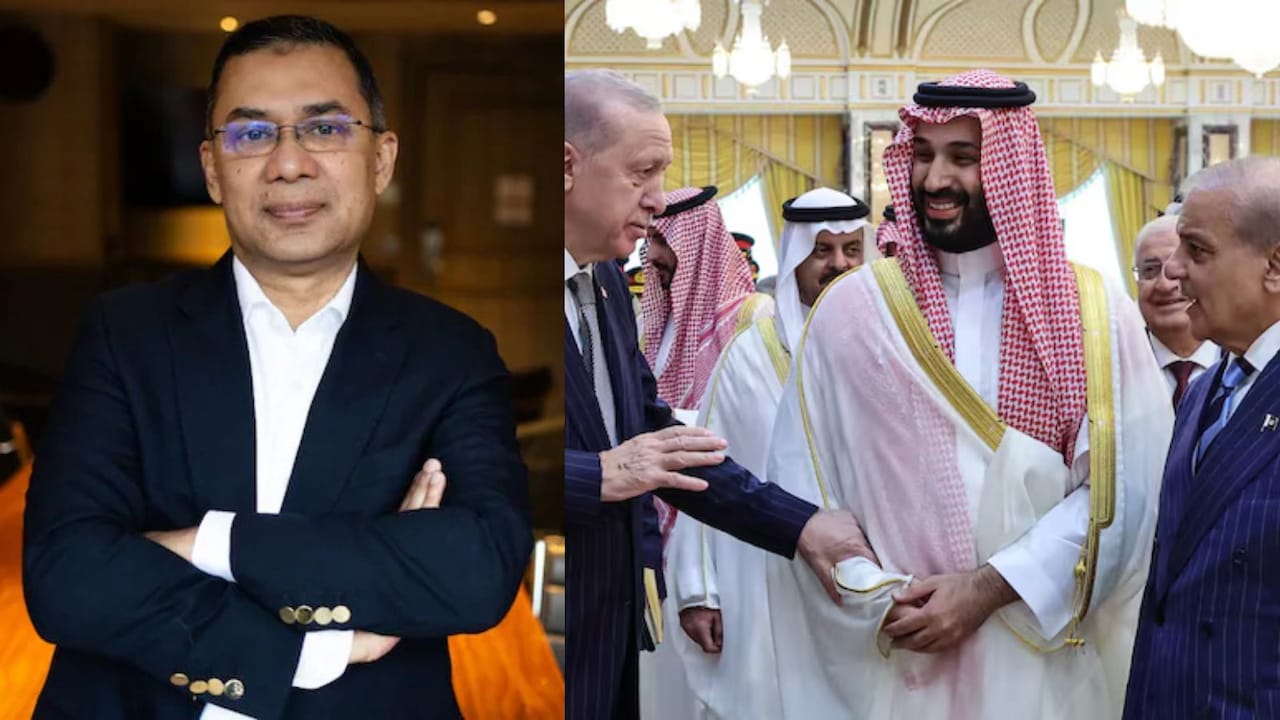
Recent diplomatic meetings in Jeddah have pushed the Mecca Pact back into the headlines. Minister of State for Foreign Affairs Humayun Kabir met with Saudi counterparts, and reports quickly surfaced that Dhaka is actively reviewing an invitation to join the trilateral security arrangement.
The Mecca Pact links Saudi Arabia, Turkey, and Pakistan under a collective defense umbrella. For Bangladesh, signing onto an agreement that includes Pakistan carries heavy diplomatic baggage, especially given the current sensitivities in New Delhi regarding regional border security and geopolitical alignment under Prime Minister Tarique Rahman’s administration.
What is the Mecca Pact and Why Does It Matter
Signed recently by Riyadh, Ankara, and Islamabad, the trilateral security pact functions similarly to a regional collective defense clause. An attack against one member state is treated as an assault on all three.
Until now, Bangladesh has maintained a delicate balancing act in its foreign relations. Under the guiding slogan of putting national interest first, Dhaka has tried to court economic investments from Gulf monarchies while managing tense historical equations with its neighbors.
By entertaining an invitation to join a defense alignment that counts Pakistan as a core member, Bangladesh risks altering its strategic posture. Critics inside and outside the country argue this move signals a sharp tilt away from neutrality. Domestic political actors, such as the Jamaat-e-Islami leadership, brush off these concerns, calling foreign policy decisions an exclusive internal prerogative that neighboring states shouldn't lose sleep over.
The Regional Security Anxiety for India
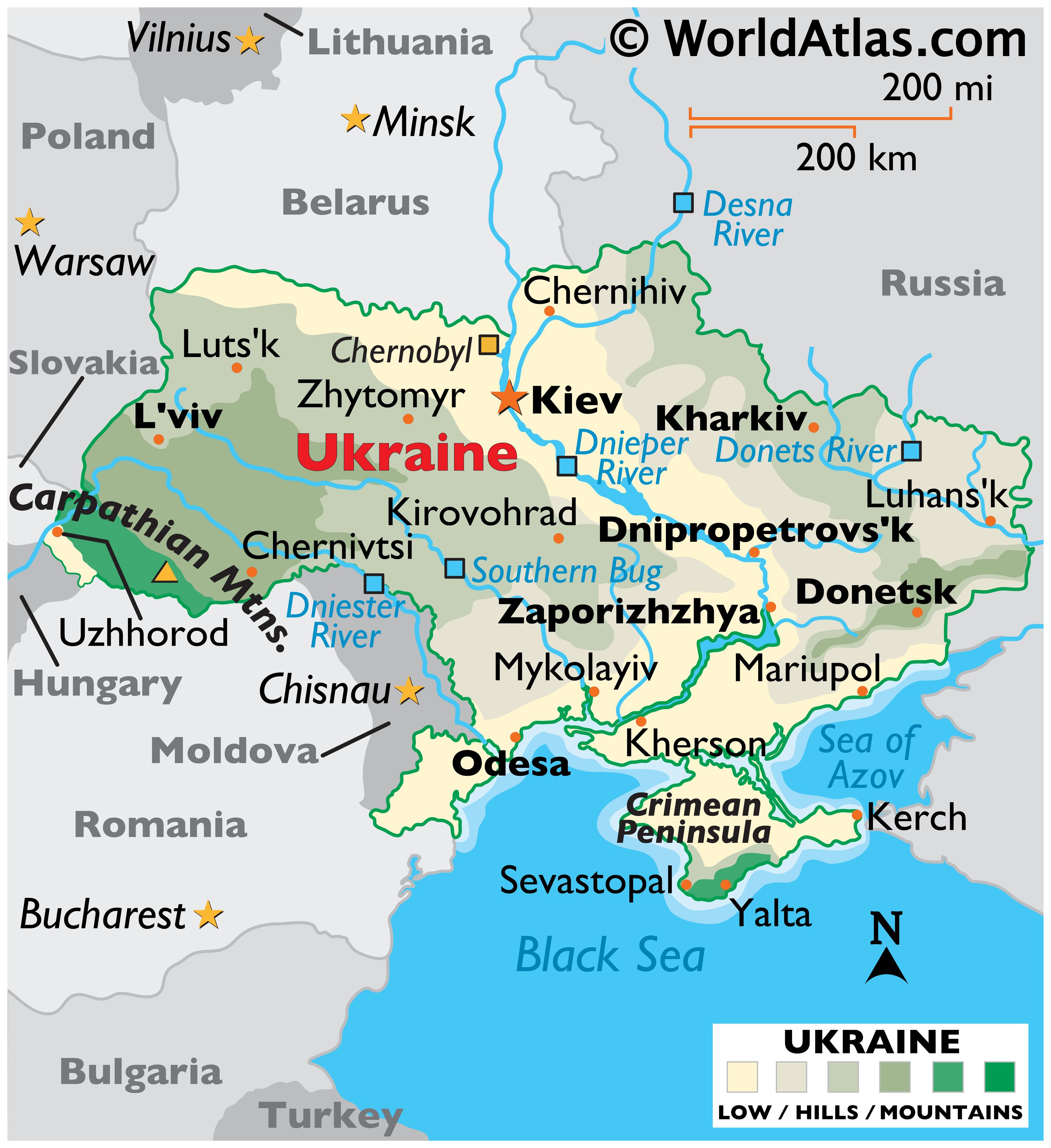
India watches these developments closely. New Delhi has long maintained deep security cooperation and economic ties with Saudi Arabia. However, Turkey’s vocal diplomatic positions and Pakistan’s historical security friction with India complicate the picture entirely.
When a close eastern neighbor considers entering a military pact with Islamabad, strategic planners in New Delhi view it through a lens of risk management. Concerns persist that enhanced defense cooperation could open doors for external actors to exert influence right along India’s sensitive eastern borders.
Bangladesh leadership faces a tough choice. Economic reliance on Saudi investments and labor remittances remains a top national priority. Riyadh treats Dhaka as a key partner for capital expansion, meaning turning down Saudi initiatives carries economic costs. At the same time, ignoring the geopolitical ripples in New Delhi could sour crucial regional trade and transit dynamics.
Where Bangladesh Goes From Here
The coming months will test the diplomatic agility of the current government in Dhaka. Balancing financial dependence on Gulf states while assuring neighboring powers that defense pacts don't translate to hostile proxies requires careful communication.
Expect more high-level talks, closed-door diplomatic cables, and careful wording from foreign ministries on both sides of the border. If Dhaka formalizes its entry into the agreement, South Asia's diplomatic map will look fundamentally different before the year ends.