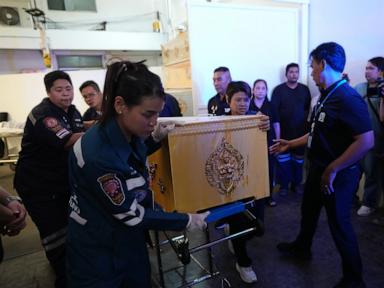
Grief hung heavy outside Bangkok's Institute of Forensic Medicine as families arrived to collect the bodies of loved ones. Just a day earlier, a routine Friday morning at Debsirin Nonthaburi School turned into an absolute nightmare. A 14-year-old student opened fire inside a classroom, killing five school staff members after allegedly murdering his own grandparents at home.
The tragedy left at least seven people dead, including the shooter who took his own life, and hospitalized sixteen others. Seven of those wounded remain in critical condition. For a nation where high-profile mass violence remains rare, the incident has forced an uncomfortable public reckoning with youth mental health, school safety, and easy access to legal firearms.
Inside the Nonthaburi Tragedy
The sequence of events shocked investigators and locals alike. Police officials noted that the 14-year-old boy fatally shot his grandparents at their family home using a small, compact handgun legally registered to his grandfather. He then headed to school as if it were any other day.
He waited until classes officially began around 10 a.m. before opening fire in his classroom. Eyewitness accounts and police reports confirm he fired more than 20 shots, targeting school staff and administrators. When authorities later processed the scene, they found he still possessed 30 rounds of ammunition after turning the weapon on himself.
Relatives interviewed by local media expressed complete bewilderment. They described him as quiet and noted they had no idea he was struggling. Yet, preliminary reports from investigators point toward acute academic and personal stress.
The Grim Task of Retrieval
By Saturday afternoon, all eight bodies—comprising the five staff members, the two grandparents, and the teenage shooter—were cleared from Bangkok's Institute of Forensic Medicine. Forensic chief Dr. Wiroon Supasingsiripreecha reported that most victims suffered single, fatal gunshot wounds to vital areas like the chest or head.
Outside, emergency teams loaded wooden coffins into ambulances bound for hometown funeral rites. Neighborhood residents and parents trickled past the school gates to leave floral tributes. Charin Siriananchai, a local father who brought his young sons to pay respects, voiced a sentiment felt across the country.
"Everyone was saddened and shocked, because it was unexpected that this would happen in Thailand, and also it's quite a great loss," Siriananchai said.
Debsirin Nonthaburi School announced an immediate suspension of all classes through mid-August, instructing teachers to work remotely while the community processes the trauma. Meanwhile, parents grapple with the psychological aftermath. Several children who survived the ordeal are showing signs of acute trauma, struggling to sleep or cope with the sudden violence.
A Troubling Pattern of Youth Violence
While mass shootings are historically uncommon in Thailand, this incident follows a disturbing string of recent high-profile attacks involving young perpetrators.
In 2023, a 14-year-old opened fire inside a major Bangkok shopping mall, sending shockwaves through the commercial hub. Earlier this year, a 17-year-old stole a police firearm and launched a school hostage situation in southern Thailand that left one dead.
These recurring events dismantle the assumption that schools and public spaces are automatically safe zones. They also highlight a systemic vulnerability regarding domestic gun storage. When minors can easily access legally owned firearms stored unsecured in family homes, the barrier between a bad day and an irreversible catastrophe drops to zero.
What Needs to Change Now
Preventing future tragedies requires honest conversations about institutional blind spots. Schools need robust mental health resources that catch adolescent distress before it manifests as violence. Teachers are educators, not crisis counselors, and they need professional support systems to identify at-risk students.
Simultaneously, gun owners face a stark responsibility. Owning a firearm legally means maintaining strict physical security—locking up weapons and ammunition separately so they never fall into the hands of children or teenagers experiencing crises.
As families carry their loved ones home for final farewells, the true measure of this tragedy will be whether officials take concrete steps to tighten firearm accountability and secure school environments before another community experiences this kind of grief.