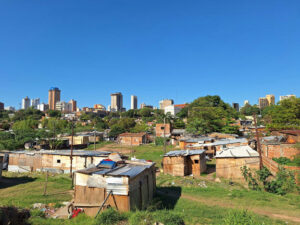
Lima isn't just a sprawling metropolis of high-rises and coastal traffic. It’s a city built directly on top of ghosts. While you’re grabbing a ceviche in the trendy districts of Miraflores or San Isidro, there’s a good chance you’re steps away from a civilization that thrived nearly two millennia ago.
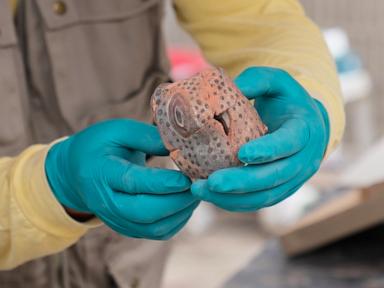
This week, the world got a stark reminder of that history. Archaeologists working at the base of Huaca Pucllana—a massive, ancient adobe pyramid—unearthed the skeletal remains of an adult male. The find isn’t just about the bones themselves. It’s about what they represent: a ritual offering linked to the closure of an ancient canal.
Understanding the Lima Culture
Most travelers know about the Incas. They dominated the Andes, built Machu Picchu, and left an architectural footprint that’s impossible to ignore. But the Lima culture, which flourished between the 1st and 7th centuries, deserves more credit. They were the original architects of the region, building ceremonial centers like Huaca Pucllana long before the Spanish arrived in 1535.
When archaeologists find a body buried in a canal, they aren't looking at a simple funeral. They’re looking at a specific cultural act. The individual was placed on his left flank, with his head oriented toward both the pyramid and the Pacific Ocean. This deliberate positioning suggests he wasn't just left there; he was placed with intent.
The Reality of Ritual Sacrifice
It’s easy to romanticize or misunderstand these findings. When experts talk about "ritual offerings," it’s common for people to jump to wild conclusions about blood-soaked massacres. The truth is usually more nuanced.
In many pre-Columbian societies, a sacrifice wasn't an act of cruelty in the way we view it today. It was a contractual agreement with the divine. By burying a person—or sometimes significant material goods—during the decommissioning of a water canal or the completion of a temple phase, the community was essentially "paying" the earth or the spirits for the utility they had received.
Think of it as a ceremonial closing of the books. When the canal was no longer needed or had reached the end of its life, it was sanctified one last time.
Why We Keep Finding These Sites
If you’ve followed archaeology in Peru, you know this isn't an isolated event. Pieter Van Dalen, a professor at the National University of San Marcos, has pointed out that these discoveries are almost routine along the Peruvian coast.
Why? Because the city of Lima is literally riddled with over 400 archaeological sites. Every time the city expands, or when crews dig deep to install gas lines, they risk hitting something that has been buried for over a thousand years. It’s a constant friction between a modern capital and its ancient bedrock.
The Human Element
The archaeologist leading this recent dig, Gladys Paz, noted that the discovery is a key to reconstructing the ceremonies of the Lima culture. Every bone, every bead of sweat, and every layer of sediment tells us how these people lived.
It’s easy to look at a skeleton and see an object. I prefer to see the person. This individual lived, worked, and likely spent his entire life in a society that viewed death not as an end, but as a bridge to a different state of existence.
Lessons From the Soil
We live in an era where we want instant answers. We want to know exactly how someone died, why they were chosen, and what the political fallout was in their community. Archaeology rarely gives you that on a silver platter. It gives you breadcrumbs.
If you want to understand the Lima culture, don't just read the headlines about "ritual offerings." Look at the scale of Huaca Pucllana. Stand in the shadow of those adobe bricks and realize that while your office building is only thirty years old, the ground beneath your feet has been absorbing human history for twenty centuries.
The next time you visit Lima, skip the resort tour for an hour. Walk through the Huaca Pucllana site. Recognize that the city’s identity is built on a complex foundation of engineering, belief systems, and physical remains. These discoveries aren't just news flashes—they are corrections to our modern assumption that we are the first people to leave a mark on this landscape.
History isn't buried in a book. It’s sitting right there under the pavement, waiting for the next gas line or the next rainstorm to pull it into the light.