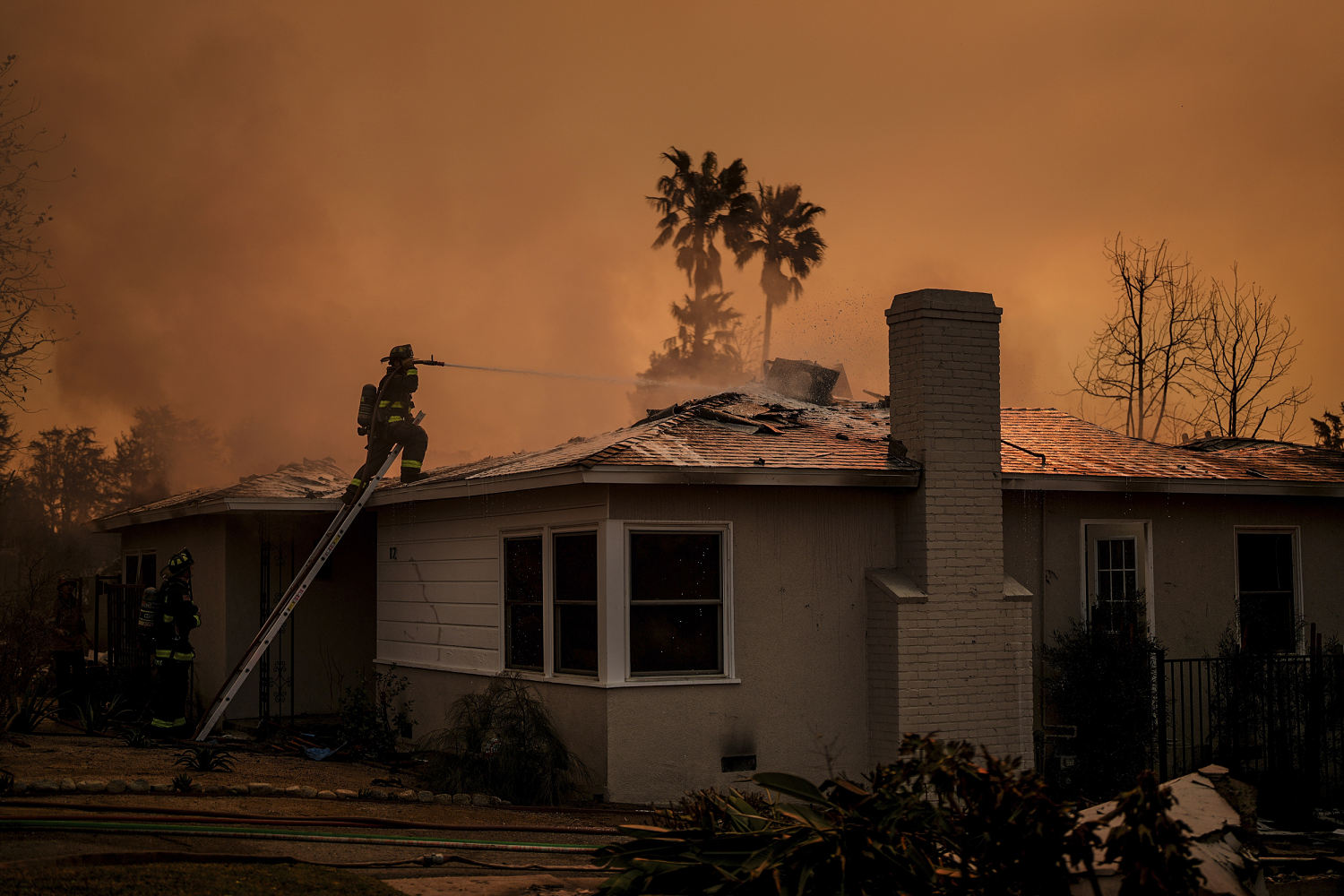
The fire spared your house. The walls are standing, the roof is intact, and from the outside, everything looks fine. But when you turn the door handle and walk inside, you notice a sharp, metallic tang in the air and a fine layer of gray dust coating your kitchen counters. Is it safe to stay? Until recently, nobody could give you a straight answer.
Insurance companies relied on a quick wipe-down and a prayer. Homeowners breathed in invisible toxins without knowing it. California just changed the entire equation. By passing a landmark pair of bills—Assembly Bill 1642 and Assembly Bill 1795, known as the Smoke Damage Recovery Act—the state is officially becoming the first in the nation to mandate science-based standards for testing, cleaning, and clearing wildfire smoke-contaminated homes.
If you've ever dealt with disaster recovery, you know the old system was broken. Insurance adjusters could claim a house was habitable while families were coughing up soot and testing positive for heavy metals. Now, the rules are shifting.
The Wild West of Post-Fire Reentry
For years, returning home after a major wildfire felt like playing Russian roulette with your lungs. Modern wildfires do not just burn trees. They consume modern consumer goods, cars, lithium-ion batteries, electronics, and household chemicals. When those items burn, they release a toxic soup of carcinogens, neurotoxins, lead, asbestos, and heavy metals.
Yet, when the flames retreated, insurance companies held all the cards. There were no official, enforceable state benchmarks for what constituted a safe indoor environment. Some carriers argued that a basic surface cleaning was enough. Others told policyholders to air out the house and move back in.
Families who questioned these directives were often left footing the bill for independent industrial hygienists out of their own pockets. It was an exhausting battle fought while people were already displaced and traumatized.
What the New California Standard Changes
The newly passed legislation fixes this accountability gap by tying insurance payouts directly to rigorous public health standards. The framework relies on two interconnected pieces of legislation that had to clear the state legislature together.
AB 1642 tasks the Department of Toxic Substances Control with building emergency health-based regulations. By mid-2027 and moving toward 2028 and 2029, the state must establish strict, enforceable protocols for testing and removing lead, asbestos, heavy metals, cyanide, and lithium from standing structures.
Meanwhile, AB 1795 puts teeth into those requirements for insurance claims handlers.
- The Burden of Proof: The law creates a legal presumption that if ash, soot, or char are inside a home within a wildfire impact zone, the damage came from the fire.
- Mandatory Inspection Timelines: Insurers must inspect smoke-damaged properties within 30 days of receiving notice or gaining access.
- Testing Costs Covered: Carriers are now directly responsible for the costs of testing and sampling needed to restore a property properly.
- Extended Living Expenses: Insurance companies cannot cut off Additional Living Expense (ALE) payments or force families out of temporary housing until the home is independently certified as safe for human occupancy under the new standards.
Why This Matters Beyond California
Real estate markets, brokers, and insurance adjusters across the country are watching this transition closely. When one state sets a precedent of holding multi-billion-dollar insurance companies accountable for invisible chemical contamination, it creates a template for disaster-prone regions everywhere.
If you live in a wildfire-prone area, don't wait for your state to pass a bill to protect your household. When disaster strikes near you, remember that ash and smoke residue are not just nuisance dirt. They require specialized assessment. Push for professional industrial hygiene testing before you unpack your bags, especially if you have children, elderly family members, or respiratory conditions.
Stop letting insurance adjusters decide what air is safe to breathe. Demand science, demand testing, and refuse to move back into a toxic environment just because the walls are still standing.